
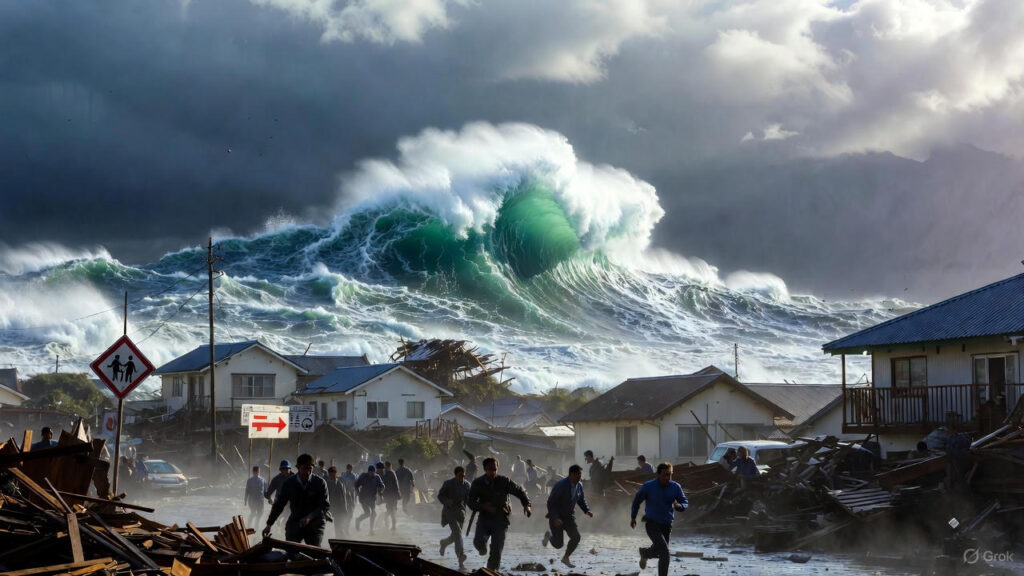
Discover how to survive a tsunami with these 8 thrilling strategies. Conquer deadly waves, avoid common pitfalls and emerge victorious – essential safety guide for coastal dwellers and travelers!
How to Survive a Tsunami: 8 Thrilling Strategies to Conquer Deadly Waves and Emerge Victorious
Tsunamis are nature’s most terrifying forces – massive walls of water triggered by earthquakes, landslides or volcanic eruptions, racing across oceans at jet speeds and crashing shores with devastating power. These “harbor waves” (from Japanese) have claimed hundreds of thousands of lives, like the 2004 Indian Ocean disaster that killed over 230,000. Yet “how to survive a tsunami” is a vital search for those in vulnerable areas, as survival rates soar with knowledge and quick action.
While you can’t stop a tsunami, you can conquer its threats through preparation, awareness and decisive response. This guide details 8 thrilling strategies to beat the odds, drawing from NOAA, USGS and survivor accounts. From early warning to post-wave recovery, these methods turn panic into power.
Prepare to emerge victorious!
The Terrifying Reality of Tsunamis
Tsunamis aren’t giant rogue waves – they’re series of surges, often starting with receding water exposing seafloor, followed by flooding walls up to 30m high. Speed: Up to 800km/h in deep ocean, slowing to 30–50km/h near shore but with immense force.
Key facts:
- 80% occur in Pacific “Ring of Fire”
- Warning signs: Earthquake tremors, roaring sound, sudden sea retreat
- Not seasonal – Can strike anytime
Understanding empowers survival.
Strategy 1: Know Your Risk Zone and Evacuation Routes
Thrilling preparation starts with mapping.
- Check tsunami hazard maps (NOAA/local authorities) – Identify inundation zones.
- Memorise high-ground routes – Aim 30m above sea level or 2km inland.
- Practice drills – Time family evacuations.
Conquer ignorance by planning – Many die from delayed action.
Strategy 2: Monitor Warnings and Act Fast
Tsunamis give minutes to hours warning post-quake.
- Install alert apps (Tsunami Warning, Red Cross).
- Heed sirens, broadcasts – Evacuate immediately.
- If earthquake felt near coast – Run to high ground without waiting.
Thrilling split-second decisions save lives – Delay is deadly.
Strategy 3: Respond to Warning Signs in Water
If swimming/surfing:
- Sudden sea retreat – Swim/surf to shore fast.
- Roaring noise or horizon bulge – Alert others, exit water.
- Conquer surprise by recognising cues – Many victims ignore receding water.
Strategy 4: Evacuate Smartly On Land
- Grab go-bag (water, meds, docs, radio).
- Use feet/car – Avoid traffic jams.
- Help vulnerable (elderly, kids) but don’t delay.
Thrilling group coordination beats chaos – Stick together if safe.
Strategy 5: If Waves Hit – Protect Yourself
Caught in surge?
- Grab fixed object (tree, pole) – Float debris if possible.
- Cover head – Debris causes most injuries.
- Swim parallel to shore if in riptide.
Conquer currents by conserving energy – Panic drowns.
Strategy 6: Post-Wave Survival
Waves come in sets – Don’t return immediately.
- Wait official all-clear.
- Avoid downed lines, contaminated water.
- Seek high ground for aftershocks.
Thrilling resilience rebuilds lives – Many perish in aftermath.
Strategy 7: Long-Term Preparation for Coastal Living
- Build elevated homes.
- Plant mangroves – Natural barriers.
- Join community drills.
Conquer vulnerability through readiness – Preparation turns disaster into survivable event.
Strategy 8: Educate and Spread Awareness
- Teach family/friends these strategies.
- Support warning systems.
- Volunteer in coastal safety programs.
Thrilling knowledge sharing saves communities – One informed person alerts many.
Common Pitfalls to Conquer
- Watching waves – Curiosity kills; evacuate.
- Driving through floods – Cars float away.
- Returning too soon – Multiple waves follow.
- Ignoring quakes – Even small ones trigger tsunamis.
Tsunami Myths Busted
- Not “tidal waves” – Unrelated to tides.
- Not always huge – Even 1m surges deadly.
- Can’t outrun – Evacuate vertically, not horizontally.
Frequently Asked Questions (FAQ)
Q: Tsunami vs tidal wave?
A: Tsunami earthquake-caused; tidal waves tide-related.
Q: Safe distance?
A: 30m elevation or 2km inland.
Q: Warning time?
A: Minutes (local) to hours (distant).
Q: Deadliest tsunami?
A: 2004 Indian Ocean – Preparation lacking.
Q: Kids in tsunami?
A: Carry them, teach signs early.
Final Thoughts
Surviving a tsunami is thrilling when you conquer fear with knowledge – these 8 strategies empower you to beat deadly waves and emerge victorious. From mapping risks to post-wave caution, preparation turns potential tragedy into a story of resilience.
Tsunamis remind us of nature’s power, but human ingenuity and quick thinking save lives. Stay vigilant in coastal areas, practice plans and share this info.
You now hold the tools to survive – stay safe and conquer the waves! 🌊