Learn how to prepare your home for winter with these 10 essential steps. Practical tips to keep your UK property safe, efficient, and comfortable during the cold months ahead.
How to Prepare Your Home for Winter
As the colder months approach, it is vital to know how to prepare your home for winter to ensure it remains a safe, warm, and efficient haven. Learning how to prepare your home for winter not only protects against harsh weather but also helps reduce energy costs and prevents potential damage. In this guide, we will explore step-by-step instructions, drawing on practical advice suitable for UK households. Whether you live in a flat or a detached house, these measures will help you stay cosy throughout the season. Remember, a little preparation now can save you time and money later.
Why Learn How to Prepare Your Home for Winter?
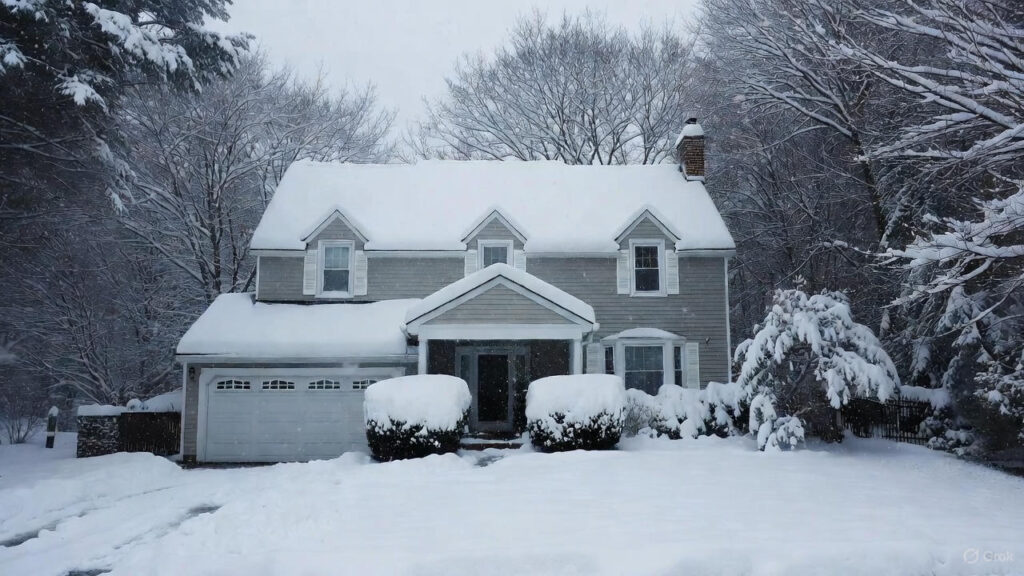
Winter in the UK can bring freezing temperatures, heavy rain, and strong winds, which may strain your home’s structure and systems. By understanding how to prepare your home for winter, you can avoid issues such as burst pipes, draughts, and high heating bills. This process also promotes energy efficiency, contributing to a more sustainable lifestyle. Let us dive into the essential steps.
Step-by-Step Instructions on How to Prepare Your Home for Winter
Follow these 10 straightforward steps to learn how to prepare your home for winter effectively.
- Inspect and Service Your Heating System. Begin by checking your boiler and radiators. Arrange for a professional service if it has not been done recently. Bleed radiators to remove trapped air, ensuring even heat distribution.
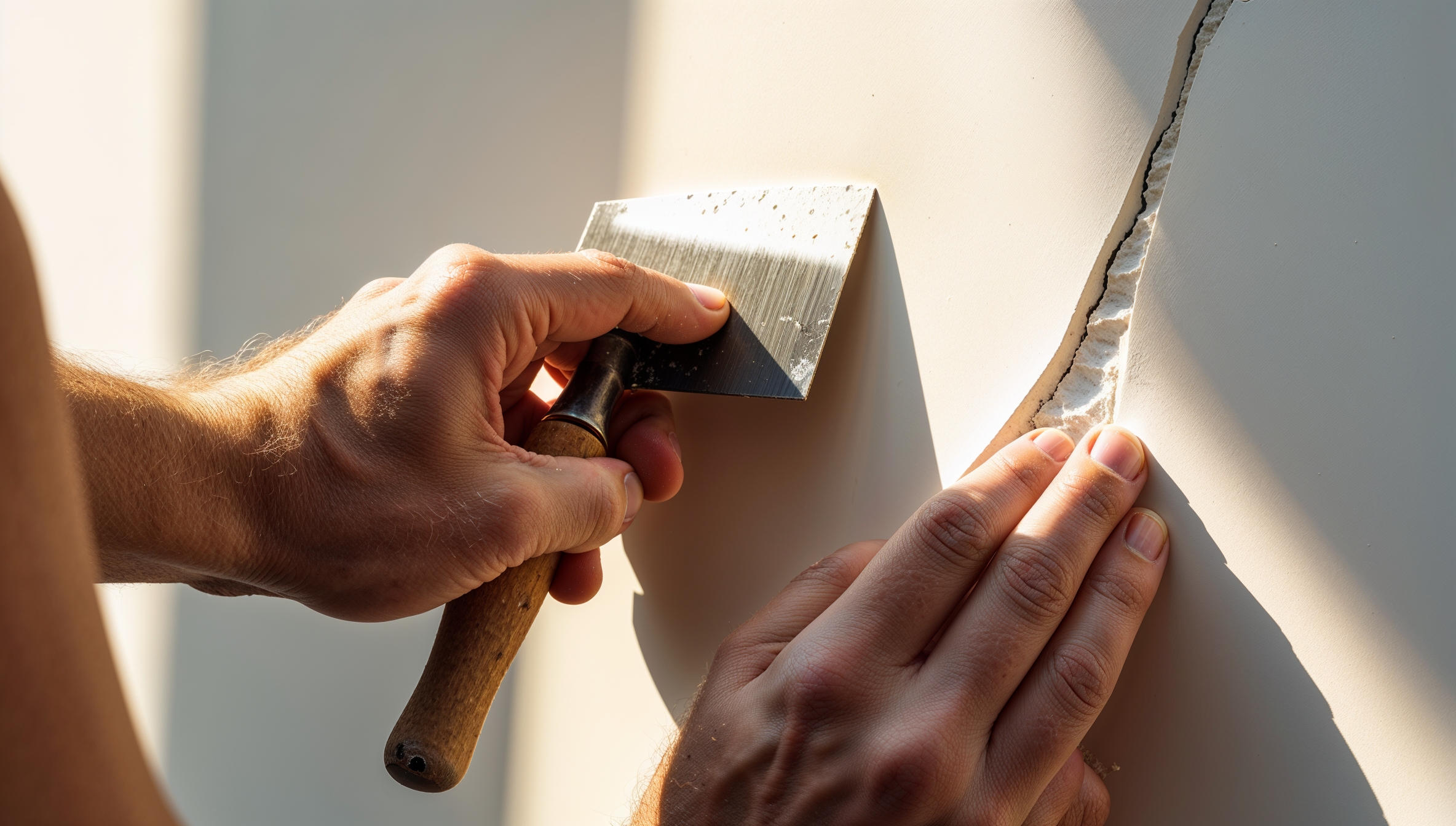
- Seal Draughts Around Windows and Doors. Examine seals and use draught excluders or weatherstripping to block cold air. Apply caulk to any cracks. Sealing draughts is a simple way to prepare your home for winter, keeping indoor temperatures stable and reducing energy use.
- Insulate Your Loft and Walls. Ensure your loft has at least 270mm of insulation. Consider cavity wall insulation if applicable. Proper insulation helps trap heat without excessive heating.
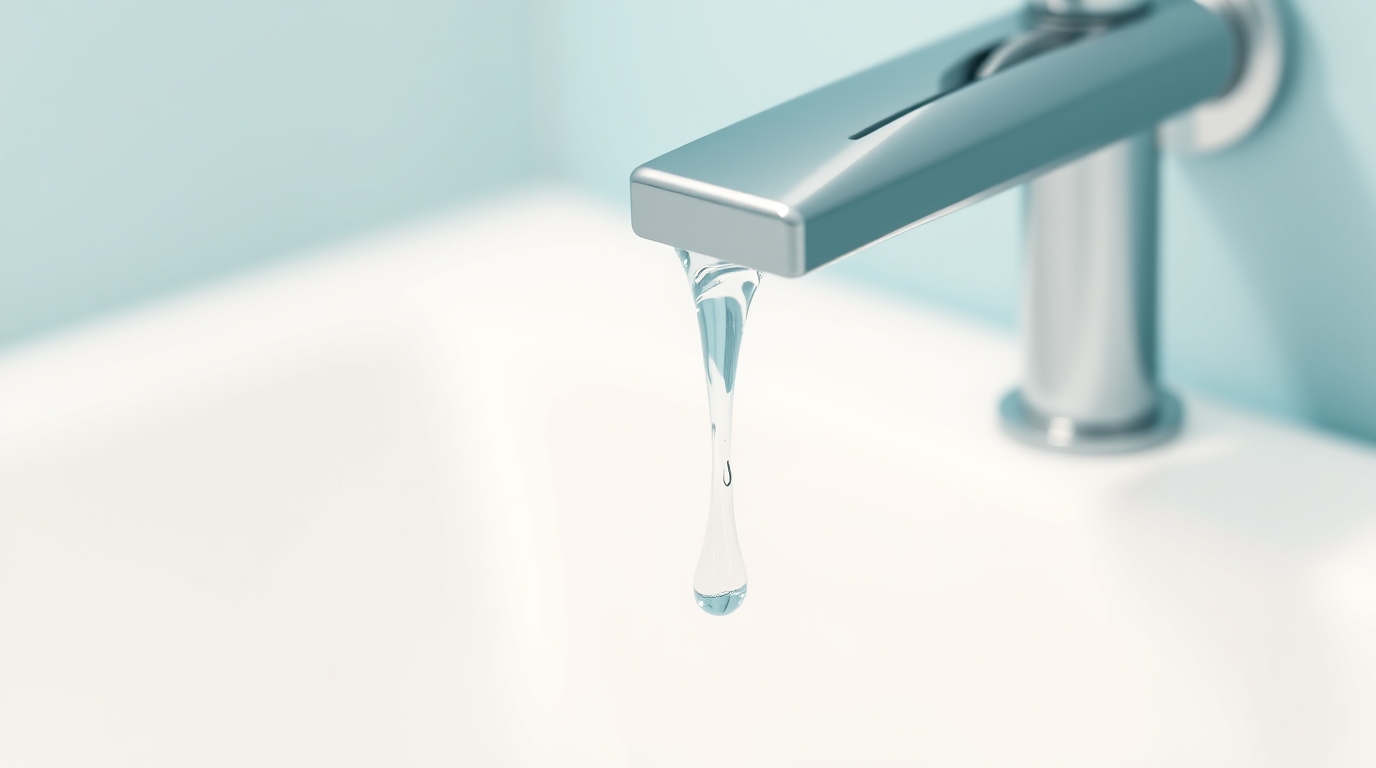
- Protect Pipes from Freezing. Lag exposed pipes with foam insulation, especially in unheated areas like garages. Drain outdoor taps and insulate them. These actions prevent bursts.
- Check Your Roof and Gutters. Clear leaves and debris from gutters to avoid blockages that could lead to leaks. Inspect roof tiles for damage and repair as needed.
- Service Chimneys and Fireplaces. If you have a chimney, have it swept by a professional. Install carbon monoxide detectors. This ensures safe use of fires.
- Stock Up on Winter Essentials. Gather salt for paths, torches, batteries, and emergency food supplies. Prepare a winter kit for your car if you drive.
- Improve Energy Efficiency. Switch to LED bulbs, use thermal curtains, and set your thermostat to 18-21°C. Consider smart thermostats for better control. These tips enhance preparing your home for winter while saving money.
- Maintain Outdoor Areas. Trim overhanging branches, secure garden furniture, and cover plants. Check fences for stability. Outdoor maintenance is often overlooked but vital.
- Test Smoke and Carbon Monoxide Alarms. Replace batteries and test alarms monthly. Safety is paramount, helping to protect your family from hazards.
By following these steps, you will master how to prepare your home for winter, creating a comfortable environment.
Additional Tips for Winter Preparation
To further aid in preparing your home for winter, consider draught-proofing keyholes and letterboxes. Use rugs on hard floors for extra insulation. Regularly ventilate rooms to prevent condensation, but do so briefly to retain heat.
In conclusion, mastering how to prepare your home for winter brings peace of mind and comfort. With these steps, you can enjoy the season without worry. If you have more questions, feel free to reach out.
FAQ Section
Q: What is the best time to start learning how to prepare your home for winter?
A: Ideally, start in autumn, around September or October, to allow time for any necessary repairs.
Q: How much can I save on energy bills?
A: Proper insulation and draught-proofing can reduce bills by up to 20%, depending on your home’s size and condition.
Q: Do I need professional help?
A: For tasks like boiler servicing or roof inspections, yes, to ensure safety and compliance with regulations.
Q: What if I rent my home?
A: Discuss with your landlord, but you can add temporary measures like draught excluders without permanent changes.
Q: Are there eco-friendly ways?
A: Absolutely; use sustainable insulation materials and energy-efficient appliances to minimise environmental impact.