
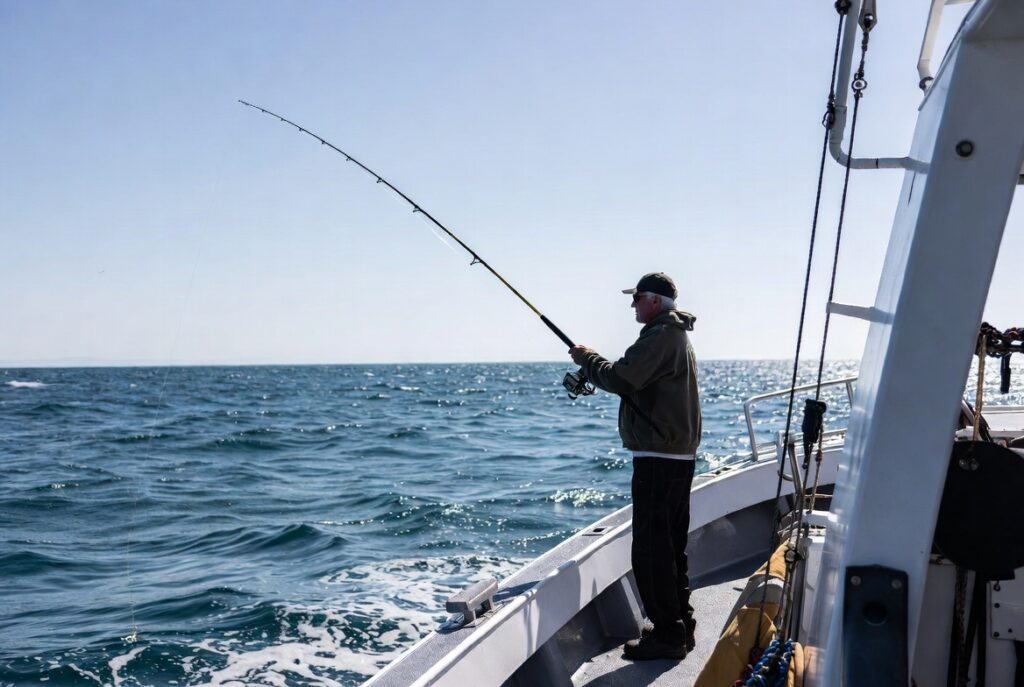
Learn how to use fishing rods with this friendly UK beginner’s guide. Discover different rod types, essential setup, casting techniques, maintenance tips and practical advice to fish confidently and safely.
How to Use Fishing Rods
Choosing the right fishing rod and knowing how to handle it properly can make all the difference between a frustrating day and a truly enjoyable one by the water. Whether you are heading to a local lake, canal or river, understanding how to use fishing rods will help you fish more effectively and with greater confidence. This guide explains everything you need to know in a clear and approachable way.
Learning how to use fishing rods is an essential skill for anyone starting in angling. A fishing rod is more than just a stick with a reel. It is a precision tool that helps you cast bait or lures, feel bites and play fish safely. This guide walks you through the basics so you can set up correctly and enjoy your time on the bank.
Why Learning Proper Rod Use Matters
A well-used fishing rod improves your casting distance, bite detection and fish-playing ability. Using it incorrectly can lead to tangles, lost fish or even broken tackle. Once you understand the fundamentals of using fishing rods, you will feel more relaxed and in control, whether you are fishing for carp, perch, trout, or sea fish.
Core Principles for Using Fishing Rods
Keep these simple ideas in mind whenever you learn how to use fishing rods:
- Hold the rod comfortably with a relaxed grip.
- Match the rod to the type of fishing you plan to do.
- Always check your line and knots before casting.
- Use smooth, controlled movements rather than force.
- Respect the rod’s power and never overload it.
Types of Fishing Rods and Their Uses
Different rods are designed for different styles of fishing. Here are the main types you will come across in the UK:
- Spinning rods: Light and versatile, ideal for lure fishing.
- Float rods: Longer and more sensitive, perfect for stillwater and river coarse fishing.
- Carp rods: Stronger with a higher test curve for casting heavier weights and playing big fish.
- Feeder rods: Designed for ledgering with a quiver tip that shows bites clearly.
- Sea rods: Built to handle stronger tides and heavier leads from beaches or piers.
Choosing the right rod is the first important step in learning how to use fishing rods effectively.
Choosing Your Equipment
Selecting suitable gear forms an important part of using fishing rods. For most beginners, a 7 to 9-foot spinning rod or a 10 to 12-foot float rod offers a good starting point. Pair the rod with a matching reel that feels balanced in your hand. Use monofilament line of 6 to 12 pounds for general coarse fishing, or braided line when lure fishing. You will also need appropriate terminal tackle such as hooks, weights, floats or lures depending on your chosen method. Most importantly, remember to purchase a valid rod fishing licence before you go fishing.
Setting Up Your Fishing Rod
Proper setup makes a big difference when learning how to use fishing rods. Thread the line through all the rod rings, starting from the reel up to the tip. Tie a secure knot to attach your reel line to the leader or hook length. For float fishing, attach a float, split shot weights and a hook. For ledgering, use a feeder or lead with a suitable rig. Adjust the reel drag so it is firm but allows the line to come off under pressure. Test the setup on the bank before casting to ensure everything runs smoothly.
Basic Casting Techniques
Casting is one of the most important skills when learning how to use fishing rods. Follow these steps for a clean cast:
- Hold the rod with your dominant hand on the handle and the other supporting the reel.
- Open the bail arm and trap the line against the rod with your finger.
- Bring the rod back smoothly over your shoulder.
- Swing the rod forward and release the line at the right moment.
- Close the bail arm and keep light tension on the line as the bait or lure lands.
Practise in an open space first to build confidence before fishing near water.
Playing and Landing Fish
When a fish takes your bait, resist the urge to yank the rod hard. Instead, lift the rod tip to set the hook and then use the rod’s natural bend to absorb the fish’s runs. Keep steady pressure and reel in line when the fish is not pulling strongly. Use a landing net for larger fish and always handle the fish with wet hands to protect its slime coat. Learning how to use fishing rods includes knowing when to apply pressure and when to ease off.
Maintenance and Care
Looking after your rods extends their life and keeps them performing well. After every trip, wipe the rod down with a soft cloth to remove dirt and moisture. Check the rings for damage or line wear. Store rods in a rod bag or sleeve, ideally upright or flat, away from direct sunlight and extreme temperatures. Lubricate the reel occasionally and replace worn line regularly. Good care ensures your equipment is always ready when you go fishing.
Safety and Responsible Practices
Safety should always come first when you learn how to use fishing rods:
- Never cast near overhead power lines or other anglers.
- Wear appropriate footwear and clothing for the conditions.
- Tell someone where you are fishing and when you expect to return.
- Follow the Angling Trust’s “Get Hooked on Fishing” code of conduct.
- Take all litter home and respect the environment and other water users.
Extra Tips for Success
These practical suggestions will help you improve quickly:
- Start with shorter sessions to build your skills gradually.
- Watch the water for signs of fish activity before casting.
- Keep a small fishing diary to note what worked on each trip.
- Consider joining a local angling club for advice and access to good venues.
- Practise knot tying at home so you can do it quickly on the bank.
Conclusion
Mastering how to use fishing rods is a rewarding process that becomes more natural with time and practice. With the right rod, proper setup and a few basic techniques, you will soon enjoy more successful and relaxing days by the water.
FAQ Section About How to Use Fishing Rods
Q: What is the best fishing rod for a complete beginner?
A: A versatile 8 to 10-foot float or spinning rod is an excellent starting choice for most UK waters.
Q: How do I know which strength of rod to buy?
A: Match the test curve or casting weight to the species and method you plan to use. Start with a medium-power rod.
Q: Is it difficult to learn how to use fishing rods?
A: Not at all. With a little practice and patience, most beginners feel comfortable within a few sessions.
Q: Do I need a licence to use a fishing rod in the UK?
A: Yes, anyone aged 13 and over needs a valid rod fishing licence for most freshwater fishing.
Q: How should I store my fishing rods at home?
A: Keep them in a rod bag or sleeve, preferably lying flat or supported vertically to prevent warping.