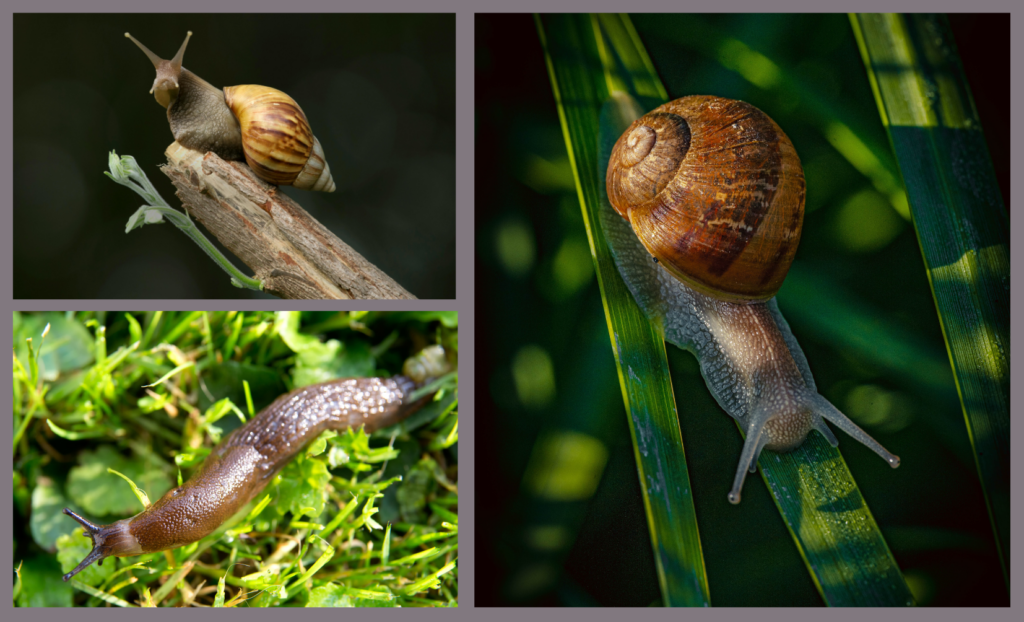
Wondering how to get rid of slugs and snails naturally in your garden? This friendly guide shares effective, wildlife-safe methods, including barriers, traps, predators, and prevention tips to protect your plants without harsh chemicals
How to Get Rid of Slugs and Snails Naturally
If you wake up to find your hostas full of holes or your lettuce seedlings mysteriously vanished overnight, you are probably wondering how to get rid of slugs and snails. These slimy visitors are a common challenge for gardeners across the UK, especially during damp summers. The good news is that you can manage them effectively using natural, pet-friendly, and wildlife-safe methods. This guide keeps things simple and practical so you can enjoy a thriving garden without reaching for chemical pellets.
Why You Need to Act on Slugs and Snails
Slugs and snails can devour young plants in a single night and spread quickly in moist conditions. They not only damage vegetables and flowers but can also affect garden biodiversity if chemical controls are used. Learning how to get rid of slugs and snails naturally helps protect your plants while supporting hedgehogs, frogs, and birds that naturally keep numbers in check.
Signs of a Slug and Snail Problem
Look out for these tell-tale signs:
- Irregular holes in leaves, especially on tender seedlings
- Silvery slime trails on plants, paths, or pots
- Missing seedlings or damaged stems at the soil level
- Clusters of slugs or snails hiding under pots, stones, or debris during the day
If you notice any of these, it is time to learn how to get rid of slugs and snails before the problem grows.
Understanding Slugs and Snails in the Garden
Slugs and snails thrive in damp, shady spots and are most active at night or after rain. They lay eggs in soil or under debris, so tackling both adults and hiding places is key. Natural control focuses on barriers, traps, removal, and encouraging predators rather than killing everything in sight.
How to Get Rid of Slugs and Snails Naturally: 8 Easy Steps
Follow these eight practical steps for reliable results. Combine several methods for the best outcome.
- Encourage natural predators. Invite hedgehogs, frogs, toads, birds, and ground beetles into your garden. Create a log pile or small pond, leave areas of long grass, and avoid disturbing wildlife. These helpful creatures can eat hundreds of slugs and snails every night.
- Improve garden hygiene. Remove hiding spots by clearing away old pots, boards, stones, and dense weeds. Keep the garden tidy and mow the lawns regularly to reduce damp areas where slugs and snails shelter.
- Create physical barriers. Surround vulnerable plants with sharp or rough materials that slugs and snails dislike. Use crushed eggshells (baked first for extra sharpness), grit, coffee grounds, or wool pellets. Apply a thick layer around the base of plants and refresh after heavy rain.
- Apply copper tape or barriers. Stick self-adhesive copper tape around the rims of pots, raised beds, or greenhouse staging. The mild electric reaction when slugs touch copper deters them effectively.
- Set up beer traps. Bury shallow containers (such as yoghurt pots) in the soil so the rim sits just above ground level. Half-fill with cheap beer or a sugar-yeast mix. Slugs and snails are attracted to the scent, fall in, and drown. Empty and refresh traps every few days.
- Hand-pick at night. Go out with a torch on damp evenings and collect slugs and snails by hand. Drop them into a bucket of soapy water or relocate them far away to a wild area. This simple method works surprisingly well when done regularly.
- Use biological controls. Apply nematodes (microscopic worms that target slugs) to moist soil when temperatures are above 5 °C. Follow the packet instructions carefully for the best results. Nematodes are completely safe for pets, wildlife, and beneficial insects.
- Plant resistant varieties and companions. Choose slug-resistant plants such as foxgloves, lavender, or fennel. Grow strong-smelling companions like garlic, chives, or marigolds nearby to help deter slugs and snails.
When you put these steps into practice, you are applying how to get rid of slugs and snails in a kind and effective way.
Extra Natural Tips for Better Results
- Use grapefruit or orange halves as traps. Place the scooped-out peels face down near plants; slugs and snails hide underneath and can be collected in the morning.
- Lay wooden boards or cardboard on the soil overnight and check underneath for slugs the next day.
- Water plants in the morning rather than the evening so the soil surface dries out by night.
- Raise seedlings in pots until they are larger and tougher before planting out.
Learning how to get rid of slugs and snails becomes much easier when you combine several of these gentle techniques.
Prevention Tips
Prevention is the best long-term solution. Here are some simple habits to adopt:
- Maintain good garden hygiene all year round.
- Mulch with materials that slugs dislike, such as bark or cocoa shells.
- Improve drainage in wet areas of the garden.
- Avoid overwatering and keep compost heaps covered.
- Check new plants for hitchhikers before adding them to borders.
With these routines in place, you will rarely need to worry about how to get rid of slugs and snails again.
When to Seek Further Help
If the problem remains severe despite your efforts, consider consulting a local garden centre or professional for advice on biological controls. Remember that complete elimination is rarely possible or necessary in a balanced garden ecosystem.
Conclusion
Sorting out how to get rid of slugs and snails naturally is rewarding for any gardener. By encouraging predators, using barriers and traps, and keeping the garden tidy, you can protect your precious plants while supporting a healthy outdoor space. Follow the steps above, and you should soon enjoy slug-free seedlings and beautiful borders once again. With patience and consistency, a balanced garden is well within reach.
FAQ About How to Get Rid of Slugs and Snails
Here are answers to some common questions:
- How long does it take to see results with natural methods? You may notice fewer plants damaged within a week or two, but consistent effort over several weeks gives the best control as you reduce the population and breeding sites.
- Are beer traps safe for wildlife? Yes, when the rim sits slightly above soil level, most beneficial insects can escape. Empty traps regularly to avoid attracting more slugs than necessary.
- Do coffee grounds really work? Coffee grounds can help as a barrier and soil improver, though results vary. Refresh them often as they lose effectiveness when wet.
- Is it cruel to relocate slugs and snails? Relocating them to a distant wild area or compost heap is a humane option many gardeners prefer.
- How to get rid of slugs and snails without harming hedgehogs? Stick to barriers, traps, and hand-picking while creating wildlife-friendly habitats.