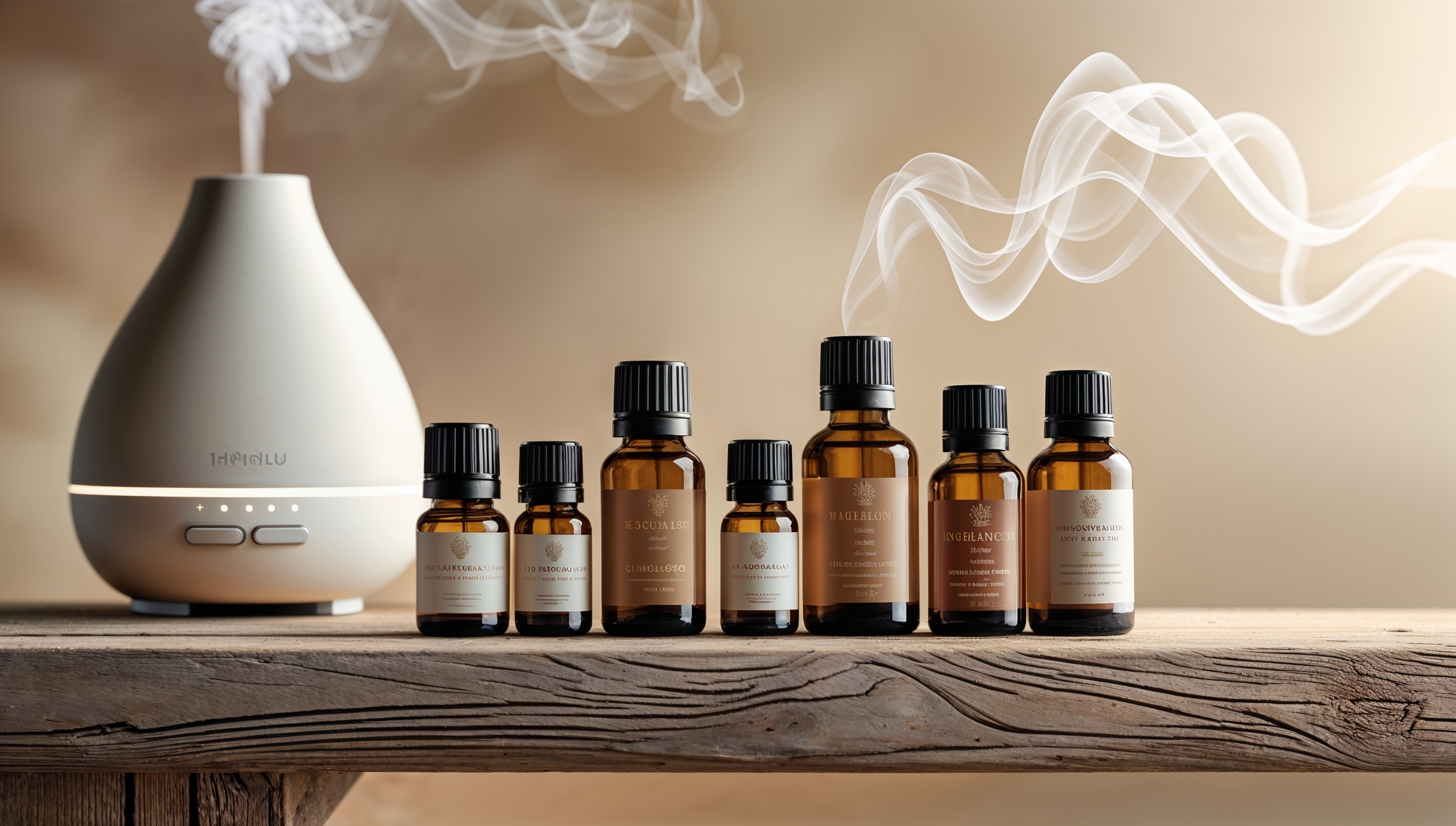

Discover practical, evidence-based ways on how to boost fertility naturally through lifestyle changes, nutrition, exercise, and healthy habits. This guide offers friendly advice for both men and women aiming to enhance reproductive health and increase chances of conception safely.
How to Boost Fertility Naturally
If you are hoping to start or grow your family, exploring how to boost fertility naturally can be an empowering and positive step. Many couples find that simple adjustments to daily habits support reproductive wellbeing without medical intervention. This guide draws on reliable health insights to explain how to boost fertility naturally, covering nutrition, lifestyle choices, and practical routines. Whether you are just beginning your journey or seeking gentle enhancements, understanding how to boost fertility naturally promotes overall vitality and optimism. Always consult your healthcare provider for personalised guidance, as individual needs vary.
Why Focus on How to Boost Fertility Naturally?
You may wonder about the value of learning how to boost fertility naturally. Natural approaches emphasise whole-body health, which influences hormone balance, egg and sperm quality, and ovulation regularity. Evidence suggests that maintaining a healthy weight, adopting nutrient-rich eating patterns, and avoiding harmful substances can improve conception chances for both partners. By prioritising how to boost fertility naturally, you nurture long-term wellbeing, reduce stress on the body, and create an optimal environment for pregnancy. These changes often bring additional benefits, such as increased energy, better mood, and enhanced resilience, making the process feel supportive rather than overwhelming.
Common Lifestyle Factors
Consider these key areas supported by health experts:
- Maintain a Healthy Weight: Being overweight or underweight can disrupt hormone levels and ovulation in women, while affecting sperm quality in men.
- Quit Smoking: Tobacco harms egg supply, ages ovaries, and reduces sperm motility and count.
- Limit or Avoid Alcohol: Excessive intake links to ovulation issues and lower sperm quality; moderation or abstinence is advisable.
- Manage Stress: Chronic stress may interfere with reproductive hormones; relaxation techniques help.
- Exercise Moderately: Regular activity supports hormone balance, but avoid extremes that disrupt cycles.
- Track Ovulation: Understanding your cycle timing maximises fertile windows.
Step-by-Step Instructions
- Consult a Healthcare Professional: Begin with a preconception check-up. Discuss your health history, medications, and any concerns to ensure safe progress.
- Adopt a Nutrient-Rich Diet: Embrace a Mediterranean-style pattern with plenty of fruits, vegetables, whole grains, lean proteins, healthy fats like omega-3s from fish or nuts, and antioxidants. Include folate-rich foods (leafy greens, legumes) and consider a prenatal vitamin with at least 400 mcg folic acid daily.
- Achieve and Maintain a Healthy Weight: Aim for gradual changes through balanced eating and activity. A healthy BMI supports regular ovulation and sperm health.
- Incorporate Moderate Exercise: Engage in 30 minutes of brisk walking, yoga, or swimming most days. This enhances circulation and hormone regulation without overexertion.
- Eliminate Harmful Habits: Stop smoking immediately and limit caffeine to under 200 mg daily (about one to two cups of coffee). Avoid recreational drugs and minimise alcohol.
- Track Your Cycle and Time Intercourse: Use apps or ovulation kits to identify fertile days. Have intercourse every other day around ovulation for best chances.
- Prioritise Sleep and Stress Management: Aim for 7-9 hours of quality sleep nightly. Practise mindfulness, meditation, or gentle yoga to lower cortisol levels.
- Monitor Progress and Adjust: Track how you feel over 2-3 months. If needed, refine habits or seek further advice.
Following these steps consistently helps many couples see positive shifts.
Additional Tips
- Stay well-hydrated with plenty of water to support cervical mucus and overall function.
- Include fertility-supporting foods like walnuts (for omega-3s), berries (antioxidants), and leafy greens.
- For men, focus on zinc-rich foods (nuts, seeds) and avoid excessive heat exposure (e.g., hot tubs).
- Consider gentle supplements like vitamin D if deficient, but only after testing and professional advice.
- Build a supportive routine with your partner for shared motivation.
- Be patient; natural improvements often take time to show results.
- Avoid unproven trends and rely on evidence-based sources.
Conclusion
Exploring how to boost fertility naturally offers a compassionate, proactive path towards parenthood. By embracing these evidence-informed habits, you invest in your health and create favourable conditions for conception. Consistency and kindness to yourself are essential. Start with small changes today, and celebrate each positive step. How will you begin your journey? We would love to hear your thoughts in the comments below.
FAQ Section
Q: What does boosting fertility naturally involve?
A: It focuses on lifestyle, diet, and habits like healthy weight, no smoking, balanced nutrition, and stress reduction to support conception.
Q: Is boosting fertility naturally effective for everyone?
A: Many benefit, but results vary. Consult a doctor, especially if conception takes longer than expected.
Q: How long before seeing effects?
A: Improvements may appear in 1-3 months, as sperm and egg cycles renew over time.
Q: Can men use these tips?
A: Yes, quitting smoking, eating well, exercising moderately, and avoiding alcohol all enhance sperm health.
Q: Are supplements necessary when learning how to boost fertility naturally?
A: Folic acid is recommended; others depend on deficiencies. Professional guidance ensures safety.