
Learn safe, gentle techniques on how to burp a baby to relieve trapped wind, reduce discomfort, and help prevent reflux. This friendly guide explains the best positions, timing, and tips for new parents to burp confidently after every feed.
How to Burp a Baby
Feeding time with a newborn is a special bonding moment, yet many little ones swallow air along with milk, leading to wind, fussiness, and sometimes painful trapped gas. Knowing how to burp a baby properly can make a significant difference to your baby’s comfort and your peace of mind. This guide offers clear, supportive advice to help you master this everyday skill with confidence. Whether you are breastfeeding, bottle-feeding, or combining both, understanding how to burp a baby helps settle your little one more quickly after feeds. Always handle your baby gently, stay calm, and consult your midwife or health visitor if you have any concerns.
Why Learn How to Burp a Baby?
You may wonder about the importance of how to burp a baby. Babies have immature digestive systems and often swallow air while feeding, especially during bottle feeds or when they latch and unlatch frequently. Trapped wind can cause discomfort, excessive crying, arching of the back, and even spit-up or reflux symptoms. Regularly burping your baby releases this air, reduces pressure on the tummy, promotes better digestion, and helps settle them for sleep or play. Mastering how to burp a baby is a simple yet powerful way to support your baby’s wellbeing and make feeding times more enjoyable for both of you.
When and How Often to Burp
To practise how to burp a baby effectively, follow these general guidelines:
- Burp during and after every feed (approximately halfway through and at the end).
- For breastfed babies, burp when switching sides or when they slow down.
- For bottle-fed babies, burp every 60–90 ml or when they show signs of fullness.
- Continue burping until around 4–6 months, or longer if wind remains an issue.
These timings support comfortable feeding and help you recognise how to burp a baby at the right moments.
Step-by-Step Instructions
Here is a gentle, step-by-step approach using the most common safe positions:
- Prepare Yourself and Your Baby: Sit comfortably with a soft cloth or muslin square over your shoulder or lap to catch any milk. Hold your baby upright and secure against your body.
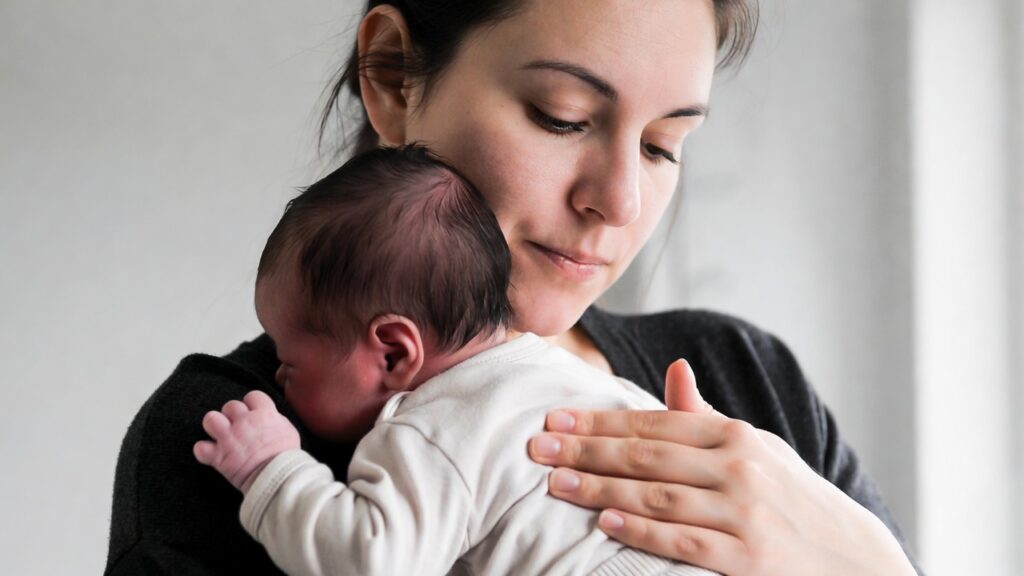
- Over-the-Shoulder Position: Place your baby against your shoulder so their chin rests near the top. Support their head and neck with one hand while gently rubbing or patting their back in an upward motion with the other. Use a firm but gentle rhythm. Hold for a few minutes or until you hear a burp.
- Sitting on Your Lap Position: Sit your baby on your thigh facing away from you. Support their chin and chest with one hand (cupping the chin gently without pressing the throat) and rub or pat the back with the other. Keep their head slightly forward to avoid choking if they bring up milk.
- Face-Down Across Your Lap Position: Lay your baby tummy-down across your thighs. Support their head slightly higher than their chest with one hand and gently rub or pat the back with the other. This position can be very effective for stubborn wind.
- Check for Burps and Settle: Listen and feel for the release of air. If no burp comes after a few minutes, try changing position or walking gently while holding them upright. Once burped, cuddle your baby calmly.
Repeat these steps as needed to master how to burp a baby comfortably.
Additional Tips
- Burp in a quiet, calm environment to help your baby relax.
- Use circular upward strokes or light pats rather than hard slapping.
- Keep a muslin cloth handy for dribbles or spit-up.
- If your baby falls asleep during feeding, gently wake them to burp before laying them down.
- Watch for cues such as fussing, pulling knees up, or grimacing, these often signal trapped wind.
- Be patient; some babies burp easily, others need more time.
- Never shake or bounce your baby to force a burp.
Conclusion
Learning how to burp a baby is one of the small, everyday skills that brings big comfort to both you and your little one. With these gentle techniques and tips, you can help release trapped wind, soothe fussiness, and enjoy calmer feeding times. Trust your instincts, be patient, and cherish these early bonding moments. Share your experiences or any questions in the comments below, we are here to support you.
FAQ Section
Q: How long should I spend trying to burp my baby?
A: Aim for 5–10 minutes after each feed; stop if your baby is settled and content.
Q: What if my baby won’t burp?
A: Try a different position, walk around holding them upright, or give it a little more time.
Q: Is it safe to burp a sleeping baby?
A: Yes, gently lift and burp them upright to avoid discomfort later.
Q: Can burping a baby help with reflux?
A: Yes, regular burping often reduces spit-up and eases reflux symptoms.
Q: When can I stop burping my baby?
A: Most babies need burping until around 4–6 months, but follow your baby’s cues.