Learn a simple, step-by-step guide on how to do colour capping, the stylish interior painting trend that creates a tonal gradient from walls to ceiling for depth and a modern look. This friendly article explains materials, preparation, and techniques to achieve beautiful results at home.
How to Do Colour Capping
Colour capping has emerged as a popular painting technique that adds elegance and dimension to rooms by blending tonal shades seamlessly from walls up to the ceiling. If you are looking to refresh your space with a contemporary yet subtle effect, discovering how to do colour capping can transform any room into a cohesive, inviting haven. This guide offers clear, supportive instructions to help you master the method safely and effectively. Whether refreshing a bedroom or living area, understanding how to do colour capping allows you to create depth without overwhelming boldness. Always test colours in your lighting conditions first, and consider consulting a professional if unsure.
Why Learn How to Do Colour Capping?
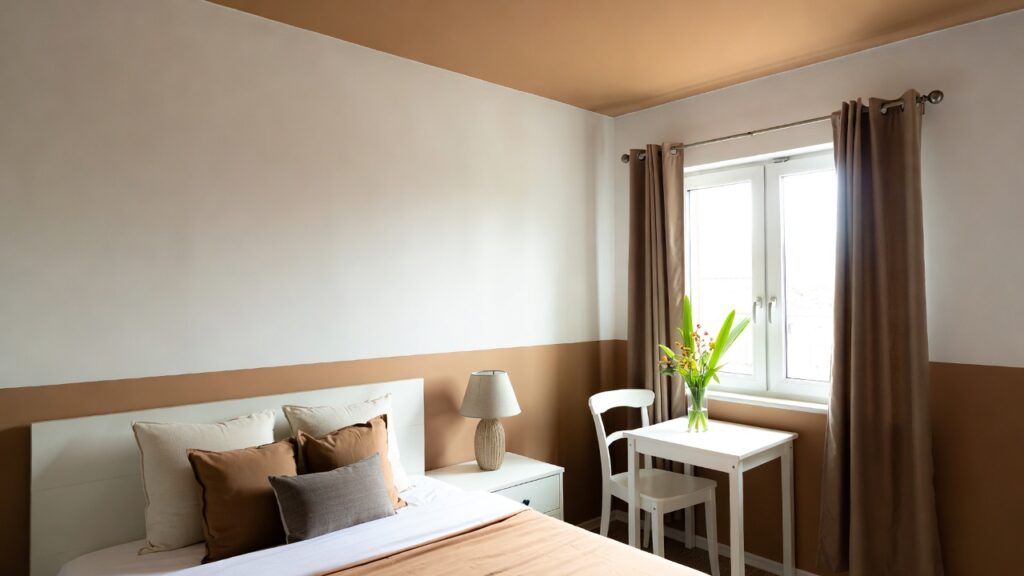
You might wonder about the benefits of colour capping. Unlike full colour drenching, this approach uses graduated tones from the same family, starting darker at the base and lightening upwards. It draws the eye upward, making ceilings feel higher and rooms more spacious. Colour capping enhances light play, adds sophistication, and suits various styles from minimalist to cosy. It is forgiving for DIYers, as tonal shifts hide minor imperfections better than stark contrasts. Exploring how to do colour capping brings modern flair affordably, boosting mood and perceived space in your home.
Common Tools and Materials
To successfully learn how to do colour capping, gather these essentials:
- Paints: Two or three shades from the same colour family (e.g., deep navy to pale sky blue), with the darkest for lower walls and lightest for the ceiling.
- Brushes and Rollers: Angled cutting-in brush for edges, medium nap roller for smooth coverage.
- Paint Trays and Extensions: For easy access and even application.
- Masking Tape and Dust Sheets: To protect floors and create clean lines if needed.
- Primer: If changing base colours significantly.
- Other Items: Step ladder, spirit level, and painter’s tape for precision.
Step-by-Step Instructions
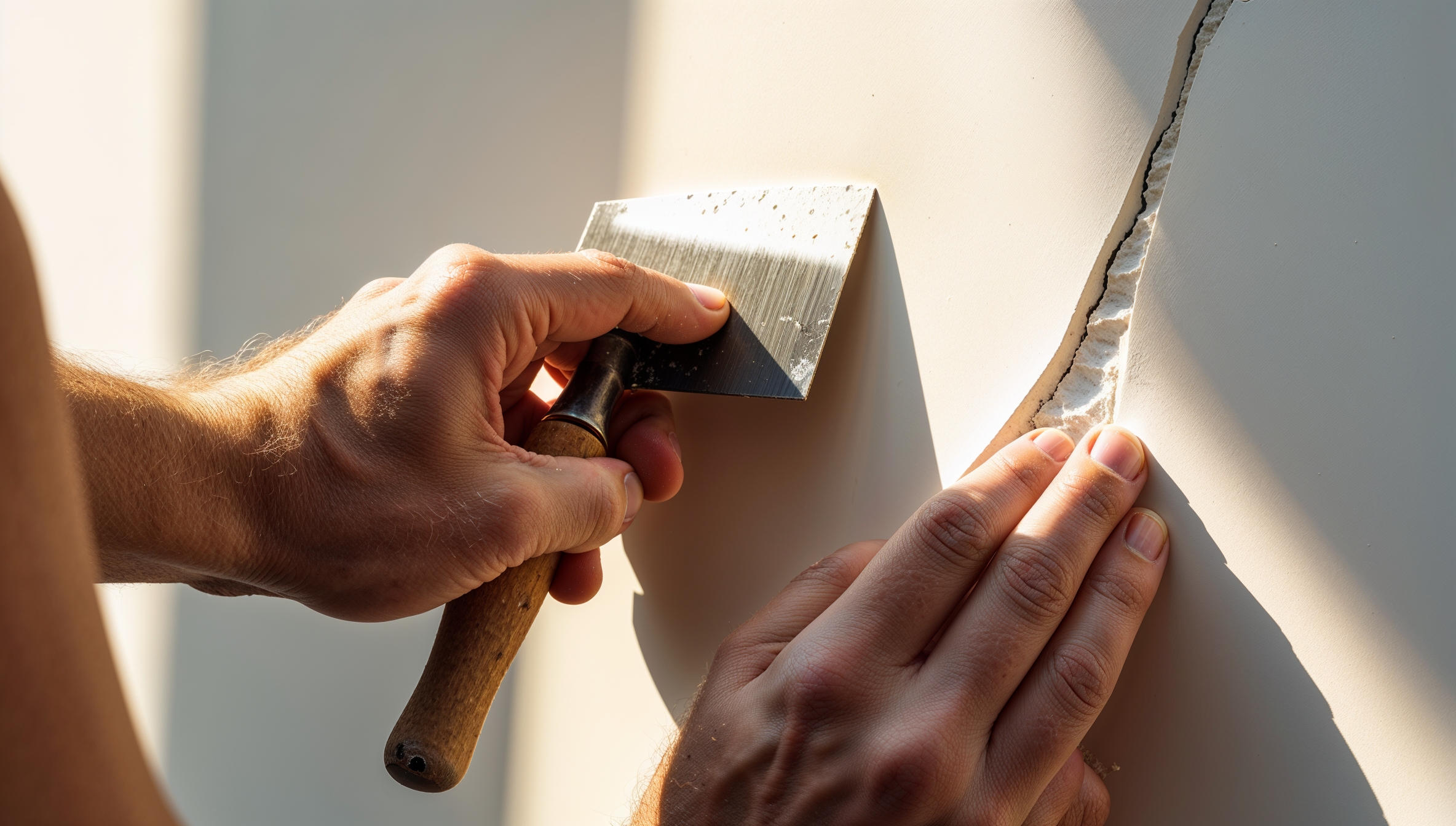
- Prepare the Room: Clear furniture, cover floors with dust sheets, and clean walls thoroughly. Remove switch plates and mask edges around trim or skirting.
- Choose and Test Your Shades: Select tonal paints (e.g., base shade for walls, lighter for upper walls/ceiling). Paint large swatches on walls and ceiling to view in different lights throughout the day.
- Prime if Necessary: Apply primer to ensure even adhesion and true colour representation, especially over dark or patched areas.
- Mark Your Transition Line: Decide where the colour shift occurs (often one-third up the wall or at picture rail height). Use a spirit level and pencil to mark a straight, level line around the room.
- Paint the Darker Lower Section: Start with the deepest shade on lower walls. Cut in edges with a brush, then roll evenly. Work in sections to maintain a wet edge and avoid lap marks.
- Apply the Lighter Upper Section: Once the lower area is dry (follow tin instructions), paint the upper walls and ceiling with the lighter shade. Cut in carefully along the transition line for a crisp edge.
- Blend if Desired: For a softer gradient, feather the boundary while wet or use a dry brush to soften lines. Allow full drying between coats if applying multiples.
- Finish and Inspect: Apply a second coat as needed for coverage. Remove tape promptly, replace fittings, and admire your work while continuing to refine colour capping techniques.
Additional Tips
To perfect how to do colour capping, try these suggestions:
- Work from dark to light to correct overspill easily.
- Use matte or eggshell finishes for subtle depth.
- Opt for colours with similar undertones to avoid clashing.
- Paint on dry, mild days for best adhesion.
- Start in a small room to build confidence.
- Consider accent walls or furniture in matching tones for cohesion.
- Clean tools immediately to reuse easily.
Conclusion
Mastering how to do colour capping brings a fresh, modern touch to your interiors with minimal effort. These practical steps and tips equip you to create elegant, light-enhancing spaces. Enjoy the creative process and the satisfying results. Which room will you transform first? Share your ideas or photos in the comments below.
FAQ
Q: What is colour capping exactly?
A: It is a painting method using tonal shades that graduate from darker walls to lighter ceilings for added depth.
Q: Is colour capping suitable for beginners?
A: Yes, it is forgiving and requires basic painting skills, though precision at transitions helps.
Q: How many shades do I need?
A: Two closely related tones work well; three create a smoother gradient.
Q: Can I do colour capping without a sharp line?
A: Absolutely; blend softly for an ombre effect or keep crisp for definition.
Q: Does colour capping make rooms look bigger?
A: Yes, lighter ceilings draw eyes up, enhancing height and spaciousness.