
Discover how to fish with lures in this friendly UK guide for beginners. Learn essential tackle, the best lures, simple techniques and top tips to enjoy exciting spinning sessions on rivers, lakes and the coast.
How to Fish with Lures
There is something really exciting about that moment when a fish smashes your lure, and the rod bends over. One second you are enjoying a peaceful walk by the water, the next you are playing a lively perch, pike or bass. If you have always wanted to try something more active than float fishing, this guide shows you how to fish with lures in a fun and straightforward way. You will soon feel confident heading out with just a light rod and a box of colourful lures.
Why Lure Fishing Is Having a Moment
Lure fishing has become hugely popular in the UK because it is mobile, exciting and gives you the chance to cover lots of water quickly. You can target perch in canals, pike in rivers, trout in stillwaters or bass from the coast. It feels more like hunting than waiting, and many anglers love the constant action and the chance to experiment with different lures and retrieves. Understanding how to fish with lures opens up a whole new world of fishing that fits perfectly into busy lives.
Core Principles for Successful Lure Fishing
Keep these friendly thoughts in mind, and you will enjoy every session when you learn how to fish with lures:
- Movement is key. Predators attack lures that look like wounded or fleeing prey.
- Vary your retrieve. Change speed, pauses and twitches to see what triggers a strike.
- Cover water efficiently. Cast to features like weed beds, overhanging trees or drop-offs.
- Stay stealthy. Approach quietly because fish can spot you from a distance.
- Experiment and have fun. What works one day might not work the next, so try different lures.
Choosing Your Equipment
Selecting the right kit makes a big difference when you start learning how to fish with lures. Here is a simple beginner setup that works well in the UK:
- A light to medium spinning rod between 7 and 9 feet long with a casting weight of 5 to 30 grams.
- A 2500 or 3000-sized spinning reel loaded with 8 to 15-pound braided main line for better bite detection and casting distance.
- A short length of fluorocarbon leader to reduce visibility and prevent bite-offs from sharp teeth.
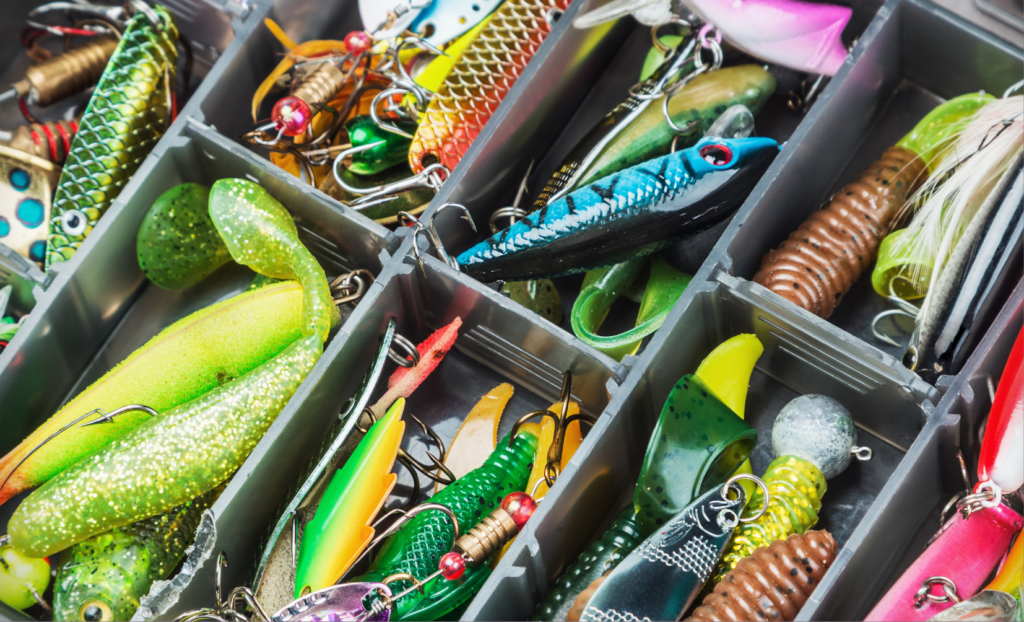
- A selection of lures, including small spinners, soft plastic shads, crankbaits and spoons.
- A landing net, long-nosed pliers for unhooking, and a small tackle box or lure wallet.
- Most importantly, a valid rod fishing licence from the Environment Agency (for England and Wales) or the equivalent authority in Scotland or Northern Ireland. Licences are quick to buy online and required for anyone aged 13 or over.
Preparing Your Gear
Getting ready is quick and helps you avoid tangles when you practise how to fish with lures. Tie a good knot, such as the improved clinch or Palomar, to attach your lure or a small swivel. Add a trace if targeting pike to protect against their sharp teeth. Check that the reel is smooth and the line flows freely. Pack spare lures, a few different weights if needed, and basic tools like scissors and pliers. A quick practice cast in a park or garden helps you get the feel of the rod before you reach the water.
Step-by-Step Casting and Retrieve Guide
Follow these easy steps to get started:
- Choose a promising spot near a structure, such as reeds, bridges or submerged features.
- Cast out beyond your target area and let the lure sink to the right depth.
- Close the bail arm and take up any slack line.
- Retrieve steadily at first, then add twitches, pauses or faster bursts to make the lure dart.
- Keep the rod tip down and point it towards the lure so you feel every bump or take.
- When a fish hits, strike smoothly by lifting the rod tip and play the fish with steady pressure until you can net it safely.
Popular Lures and Variations to Try
Lots of options exist once you know how to fish with lures. Here are some beginner-friendly choices:
- Inline spinners: easy to use with a spinning blade that flashes and vibrates. Great for perch and trout.
- Soft plastic shads or paddletails: realistic swimming action on a jig head. Excellent for pike and perch.
- Crankbaits and plugs: diving hard lures that wobble on the retrieve. Good for covering different depths.
- Spoons: simple metal lures that flutter and flash. Brilliant for mackerel from the shore or pike in lakes.
- Surface lures: poppers or walkers for exciting topwater strikes, especially for bass on calm evenings.
Safety and Responsible Practices
Keep your sessions safe and enjoyable with these habits:
- Tell someone where you are going and when you expect to return.
- Check the weather forecast and wear suitable clothing and sturdy footwear.
- Approach the water quietly and watch for slippery banks.
- Handle fish with wet hands and use barbless hooks where possible to make unhooking easier.
- Take all litter home and follow catching and releasing guidelines to protect fish stocks.
- Clean and dry your tackle after every trip so it lasts longer.
Extra Tips for Success
These friendly suggestions will help you improve quickly:
- Fish early in the morning or late in the evening when predators are most active.
- Work the margins first, as many fish lie close to the bank.
- Change lures and retrieve speeds if you are not getting bites.
- Join a local angling club or watch short online videos for free demonstrations.
- Keep a small notebook of what worked on each trip so you can build your own knowledge.
- Combine your session with a walk or picnic to make the whole day even better.
Conclusion
Mastering how to fish with lures offers a lively, rewarding way to enjoy the outdoors. You do not need masses of expensive gear. Just a light outfit, a handful of lures and a willingness to experiment can lead to some brilliant catches and plenty of smiles. It is active, engaging and perfect for anyone who wants more movement in their fishing.
FAQ Section About How to Fish with Lures
Q: When is the best time to start learning how to fish with lures?
A: Any time of year works, but spring through autumn often gives more consistent action. Even winter can produce good sport with the right lures.
Q: What species can I catch when fishing with lures in the UK?
A: Perch, pike, zander, trout, chub and bass are all great targets. From canals to the coast, lure fishing covers a wide range.
Q: Do I need special permission or a licence to fish with lures?
A: Yes, you still need a standard rod fishing licence in most parts of the UK. Always check local venue rules, too.
Q: Is lure fishing expensive to start?
A: Not at all. A basic spinning combo and a few lures can get you going for a very reasonable budget.
Q: What if I do not get any bites straight away?
A: That is completely normal. Keep moving, vary your retrieve and try different lures. Persistence and observation usually bring results.