
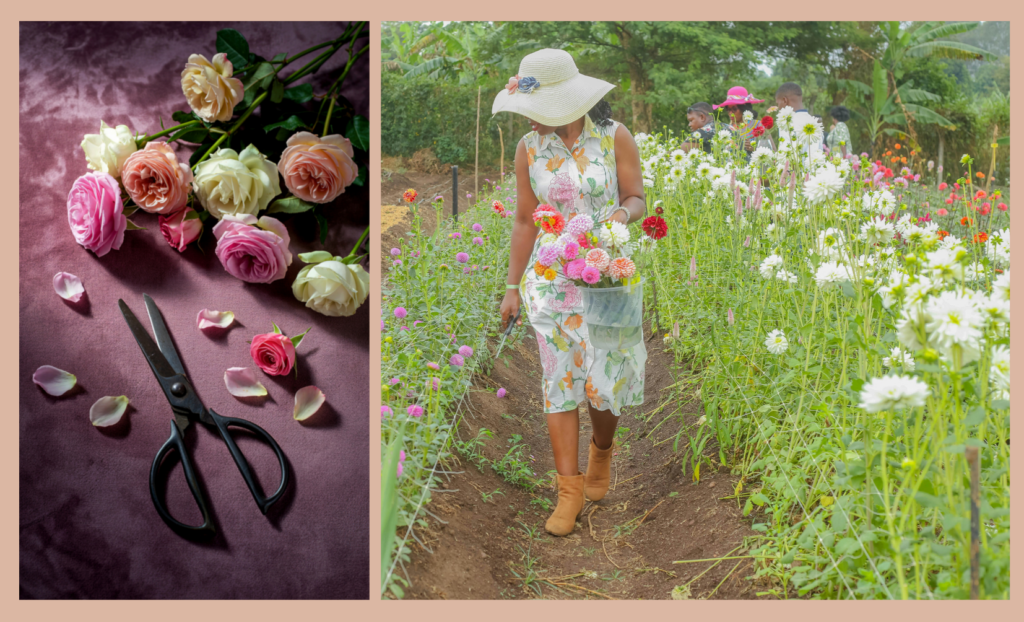
Discover straightforward, enjoyable ways on how to grow cut flowers from seed or plugs with advice on sunny spots, fertile soil, easy varieties like zinnias and cosmos, succession sowing and proper picking. This chatty UK guide helps new gardeners fill vases with homegrown blooms from spring through autumn while keeping things simple and rewarding.
How to Grow Cut Flowers
Imagine stepping into your garden, snipping a handful of vibrant blooms and arranging them in a jug for your kitchen table. Growing your own cut flowers means fresh bouquets whenever you fancy, saves money on shop-bought ones and feels incredibly satisfying. Learning how to grow cut flowers is surprisingly straightforward, even if you are new to gardening or short on space. It is all about picking the right spot, choosing productive varieties and giving plants consistent care so they keep producing stems. This guide shares friendly, step-by-step ideas you can try right away. These habits help you build a thriving cutting patch that supplies gorgeous flowers from early summer right through to the first frosts.
Why Grow Your Own Cut Flowers
First off, let us talk about why this is worth your time. Shop flowers often travel miles and have a big carbon footprint, but home-grown ones are sustainable, support pollinators too and give you exactly the colours and styles you love. Learning how to grow cut flowers lets you create a productive patch that looks pretty in the garden and supplies endless indoor joy.
The secret is picking varieties bred or suited for long stems, strong vase life and repeat blooming. Go for a mix of annuals, perennials and bulbs to cover the whole year. Single-stem or open-faced flowers work brilliantly for arranging. Plant in successions so there is always something ready to cut. When you master how to grow cut flowers, you will have vases full from early tulips to late dahlias, stretching the season beautifully. It is simpler than it looks, and the joy of cutting your own bunch never gets old.
Choosing the Best Flowers to Grow
- Picking suitable varieties makes all the difference. Aim for plants with long, sturdy stems and flowers that last well once cut. For spring, try tulips, daffodils, alliums and ranunculus. These give early colour and many can be forced for even earlier picks.
- Summer stars include zinnias, cosmos, sunflowers, sweet peas, dahlias, snapdragons, cornflowers and ammi. These are super productive, with zinnias and cosmos being especially beginner-friendly as they keep flowering when snipped regularly. Later on, chrysanthemums, asters, rudbeckia and sedum extend the season into autumn.
- Many of these work in borders or a dedicated cutting area. Plant in rows or groups for easy access when harvesting. These selections make how to grow cut flowers rewarding and full of variety for your vases.
Preparing Your Garden Space
- Choose a sunny spot with shelter from strong winds, as most cut flowers thrive with plenty of light. Fertile, well-drained soil is ideal, so add plenty of organic matter like compost or well-rotted manure each year, especially on sandy or clay ground.
- Clear weeds without chemicals, perhaps with a hoe or mulch. For a dedicated cutting bed, mark out rows for easy tending and picking. In pots or small spaces, use good peat-free compost with added grit for drainage. These basics set a strong foundation when you set out to learn how to grow cut flowers.
Step-by-Step Planting Guide
- Source seeds or young plants from reliable suppliers, opting for varieties labelled for cutting where possible.
- Sow or plant in spring after frosts for most annuals, or autumn for hardy ones like sweet peas. Space according to packet instructions for good airflow.
- Dig holes or prepare drills, pop in seeds or plants at the right depth and firm soil gently.
- Water well after planting and mulch to hold moisture and suppress weeds.
- Add supports early for taller types like dahlias or sunflowers to prevent flopping.
These steps keep growing cut flowers simple and set you up for bumper harvests.
Caring for Your Cut Flower Plants
- Water consistently, especially during dry spells or when plants are establishing, but avoid waterlogging. Feed with a balanced liquid fertiliser every couple of weeks in summer for more blooms.
- Pinch out tips on young plants like cosmos and zinnias to encourage bushier growth and more stems. Cut flowers regularly in the cool morning, using sharp secateurs just above a leaf joint to promote more flowering. Strip lower leaves and condition stems in deep water overnight for longest vase life.
- Steer clear of chemicals; companion planting with marigolds helps with pests naturally. These care routines are key to succeeding while learning how to grow cut flowers over the season.
Harvesting and Conditioning Your Flowers
- Cut in the cool of early morning or evening using sharp secateurs. Choose stems where buds are showing colour but not fully open for longest vase life.
- Strip lower leaves, recut stems underwater at an angle and place in deep, clean water. Add flower food if you have it. Let them hydrate overnight in a cool spot before arranging.
This simple routine helps bouquets last a week or more.
Additional Tips for Success
- Sow in successions every few weeks for continuous supply.
- Use supports like netting or stakes for tall growers.
- Harvest often to encourage more flowers from cut-and-come-again types.
- Collect rainwater for watering to be eco-friendly.
- Try forcing bulbs indoors for winter cheer.
- Keep a note of what performs best in your garden for next year.
These extras will boost your results when you put growing cut flowers into action.
Wrapping It Up
Mastering how to grow cut flowers is one of the most delightful ways to bring beauty and abundance into your life. It is not about creating a perfect show garden. It is about steady sowing, regular snipping and enjoying armfuls of homegrown blooms that make every day a bit brighter. You do not need loads of space or expertise; your enthusiasm, a sunny patch and a bit of consistent care do the magic. Which variety are you excited to try first? We would love to hear your plans, successes or questions in the comments below.
FAQ Section About How to Grow Cut Flowers
How quickly can I expect flowers when I learn how to grow cut flowers?
Many annuals bloom within 10 to 12 weeks from sowing. Quick ones like cosmos or zinnias can give vases full by midsummer if started early.
Can I grow cut flowers without a big garden?
Absolutely. Pots, window boxes, grow bags or even balcony troughs work well for compact varieties like sweet peas, zinnias or dwarf sunflowers.
What soil is best for how to grow cut flowers?
Fertile, well-drained soil with added organic matter is ideal. Most cut flowers are not fussy as long as it is not waterlogged.
Do I need a greenhouse to succeed with growing cut flowers?
No, though it helps for early sowing. Many hardy annuals go straight outdoors, and tender types can start on a windowsill.
Is growing cut flowers expensive to start?
Not at all. A few seed packets cost little, and plants multiply through self-seeding or tubers like dahlias that return yearly.