
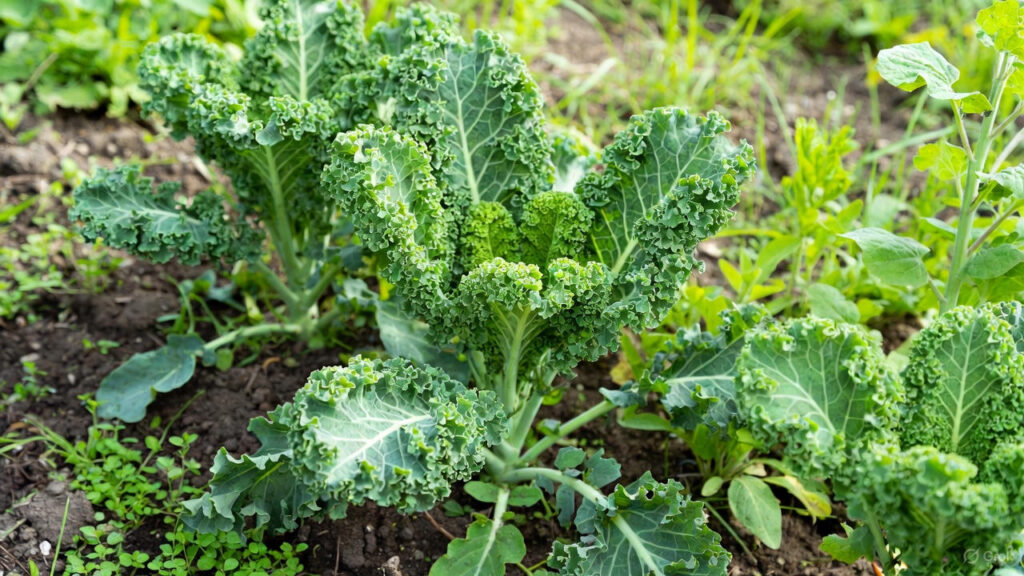
Master how to grow kale in your UK garden with this simple 8-step guide. Boost your health with home-grown superfood while sidestepping common errors for lush, abundant crops!
How to Grow Kale
Love the idea of picking fresh, crunchy kale from your own garden all through the coldest months? Learning how to grow kale is one of the easiest and most rewarding projects for British gardeners. This tough brassica laughs at frost, sweetens after the first chill, and keeps giving when most veg have long gone. Whether you have a big plot or just a few pots, kale fits perfectly. Follow this friendly guide and you will be harvesting armfuls of healthy greens with hardly any effort.
Why Kale Thrives in the UK Climate
Kale is a true winter hero. While other crops struggle with rain and short days, kale powers on, often tasting better after a frost. Growing your own means no more plastic bags from the supermarket and a constant supply of vitamins A, C, and K. The only real headaches are pigeons and cabbage white caterpillars, but a bit of netting solves that in seconds.
What You Will Need
- Kale seeds or young plants (popular choices: ‘Curly Scarlet’, ‘Cavolo Nero’, ‘Reflex’, or ‘Winterbor’)
- Well-rotted manure or garden compost
- General-purpose fertiliser (blood, fish and bone or chicken manure pellets)
- Fine insect netting or enviromesh
- Horticultural fleece (for extra cold snaps)
- Watering can and a sunny or lightly shaded spot
How to Grow Kale: 8 Simple Step-by-Step Instructions
Step 1: Pick the right time
Sow indoors in March-April or direct outdoors from May to July. Later sowings (up to early August) give the best winter crops.
Step 2: Prepare the ground
Dig in plenty of well-rotted manure or compost a few weeks before planting. Kale likes fertile, firm soil that does not waterlog.
Step 3: Sow seeds indoors (optional)
Fill trays with seed compost, sow two seeds per cell, and keep on a windowsill. Thin to the strongest seedling.
Step 4: Plant out
When seedlings are 10-15 cm tall, space them 45 cm apart each way. Firm in well and water thoroughly.
Step 5: Net immediately
Cover with insect mesh straight after planting. This stops cabbage white butterflies laying eggs and pigeons stripping leaves.
Step 6: Water and feed
Keep soil moist in summer. Feed every 4-6 weeks with a general fertiliser to keep growth strong.
Step 7: Mulch for winter
In autumn, add a thick layer of compost or straw around plants to protect roots and suppress weeds.
Step 8: Harvest regularly
Start picking lower leaves when they reach hand-size. Regular harvesting encourages new growth and can continue until spring.
Follow these steps and you will soon master how to grow kale with confidence.
Handy Tips for the Best Results
- Plant spring cabbage or onions in the same spot the following year for easy crop rotation.
- Frost improves flavour, so do not panic when temperatures drop.
- Remove yellowing lower leaves to keep plants tidy and reduce disease.
- Grow dwarf varieties like ‘Dwarf Green Curled’ in large pots if space is tight.
There you have it: everything you need to know about how to grow kale. Start today and enjoy fresh, home-grown superfood all year round!
FAQ
Q: When is the best month to plant kale in the UK?
A: Plant out seedlings from May to August. June and July plantings usually give the heaviest winter harvests.
Q: Will kale survive a British winter?
A: Yes, most varieties cope with -10 °C or lower, especially ‘Winterbor’ and ‘Reflex’.
Q: Why has my kale bolted (gone to flower)?
A: Usually caused by heat, drought, or planting too early. Choose bolt-resistant varieties and keep watered.
Q: How tall does kale grow?
A: Standard types reach 60-90 cm, but dwarf varieties stay around 30-40 cm.
Q: Can I eat the stems?
A: Yes, strip leaves from tough older stems or slice younger ones thinly into stir-fries.