Learn how to grow pollinator-friendly flowers with this practical UK guide full of easy steps and best plant choices. Attract bees, butterflies and more to your garden while enjoying beautiful blooms and supporting nature all year round.
How to Grow Pollinator-Friendly Flowers
If you have ever wondered how to grow pollinator-friendly flowers, you are in the right place. This friendly guide will show you exactly how to grow pollinator-friendly flowers in your UK garden, whether you have a small patio or a larger plot. You will discover simple ways to choose the right plants, prepare your space and keep everything thriving so that bees, butterflies and other helpful insects visit regularly. The best part is that it is rewarding, low maintenance and good for the planet.
Pollinators are facing challenges in the UK, but your garden can make a real difference. By following the steps in this article on how to grow pollinator-friendly flowers, you will create a colourful haven that provides nectar and pollen from spring right through to autumn. It is easier than you might think, and the results will bring joy every time you step outside.
Why Pollinator-Friendly Flowers Matter
Understanding why this matters is the first step. Pollinators help plants reproduce and support our food crops, yet their numbers have declined because of habitat loss and other pressures. When you learn how to grow pollinator-friendly flowers, you are not only beautifying your outdoor space but also playing a part in protecting these vital creatures.
Native and cottage-garden plants work best because they have evolved alongside UK wildlife. Choose varieties with single, open flowers rather than fancy double blooms, as these give easy access to pollen and nectar. Aim for a mix that flowers at different times so there is always something on offer. This approach forms the heart of how to grow pollinator-friendly flowers successfully.
Why Choose the Right Plants
- Selecting suitable flowers is key to success. Focus on plants that bloom across the seasons to avoid any gaps, especially the tricky June period when spring blooms fade. Early favourites include primrose, bluebell, sweet violet and wood anemone. These provide welcome food for queen bees emerging from winter.
- For mid-season colour, try lavender, marjoram, catmint, verbena bonariensis, borage, foxglove and comfrey. These are firm favourites with bumblebees and butterflies alike. Later in the year, sedum, coneflower, greater knapweed and honeysuckle keep the garden buzzing into autumn. Adding clovers to your lawn or leaving a patch unmown brings even more visitors without extra effort.
- You can plant in pots or borders. Groups of the same flower in drifts look natural and make foraging easier for insects. All these choices support the idea of how to grow pollinator-friendly flowers that really work for your local wildlife.
Preparing Your Garden Space
- Start by picking a sunny, sheltered spot because most pollinator plants love warmth and protection from strong winds. If your soil is heavy clay, improve drainage with grit or organic matter. For pots, use peat-free compost mixed with garden soil and ensure good drainage holes at the bottom.
- Clear weeds gently without chemicals. A light dig or rake is enough to loosen the top layer. Adding a mulch of compost after planting helps retain moisture and feeds the soil naturally. These simple preparations set you up perfectly when you decide to follow how to grow pollinator-friendly flowers at home.
Step-by-Step Planting Guide
- Buy healthy plants or seeds from organic suppliers to avoid any pesticide residues that could harm visitors.
- Plant in spring or autumn when the soil is warm but not dry. Space them according to the label so they have room to grow.
- Dig holes twice as wide as the root ball, place the plant at the same depth it was growing before and firm the soil gently around it.
- Water thoroughly after planting and add a layer of mulch to keep roots cool and moist.
- Label your plants so you remember what you have sown for next year.
These steps makes how to grow pollinator-friendly flowers straightforward and enjoyable. Within weeks you will notice the first bees arriving.
Caring for Your New Flowers
- Water regularly during dry spells, especially in the first season while roots establish. Once settled, many pollinator plants are quite drought tolerant. Deadhead spent blooms if you wish, but leave some seed heads for birds and late insects.
- Avoid all chemical sprays and fertilisers. Instead, rely on natural methods such as companion planting with marigolds to deter pests. Check plants occasionally for aphids and simply wash them off with a hose if needed. A shallow dish of fresh water with pebbles for landing spots will also keep pollinators happy on hot days.
- These caring habits are essential when you practise how to grow pollinator-friendly flowers over time. Your garden will become healthier each year with less work.
When to Seek Extra Help
Most gardens flourish with the basic steps, yet sometimes issues arise. If plants fail to establish after two seasons or if you notice unusual pests that you cannot manage naturally, consult a local garden centre or join a wildlife gardening group for advice. Heavy shade or very poor soil may need professional soil testing. In these cases, adjusting your plan early keeps everything on track.
Additional Tips for Success
- Leave a section of lawn longer during No Mow May to let dandelions, clover and daisies flower.
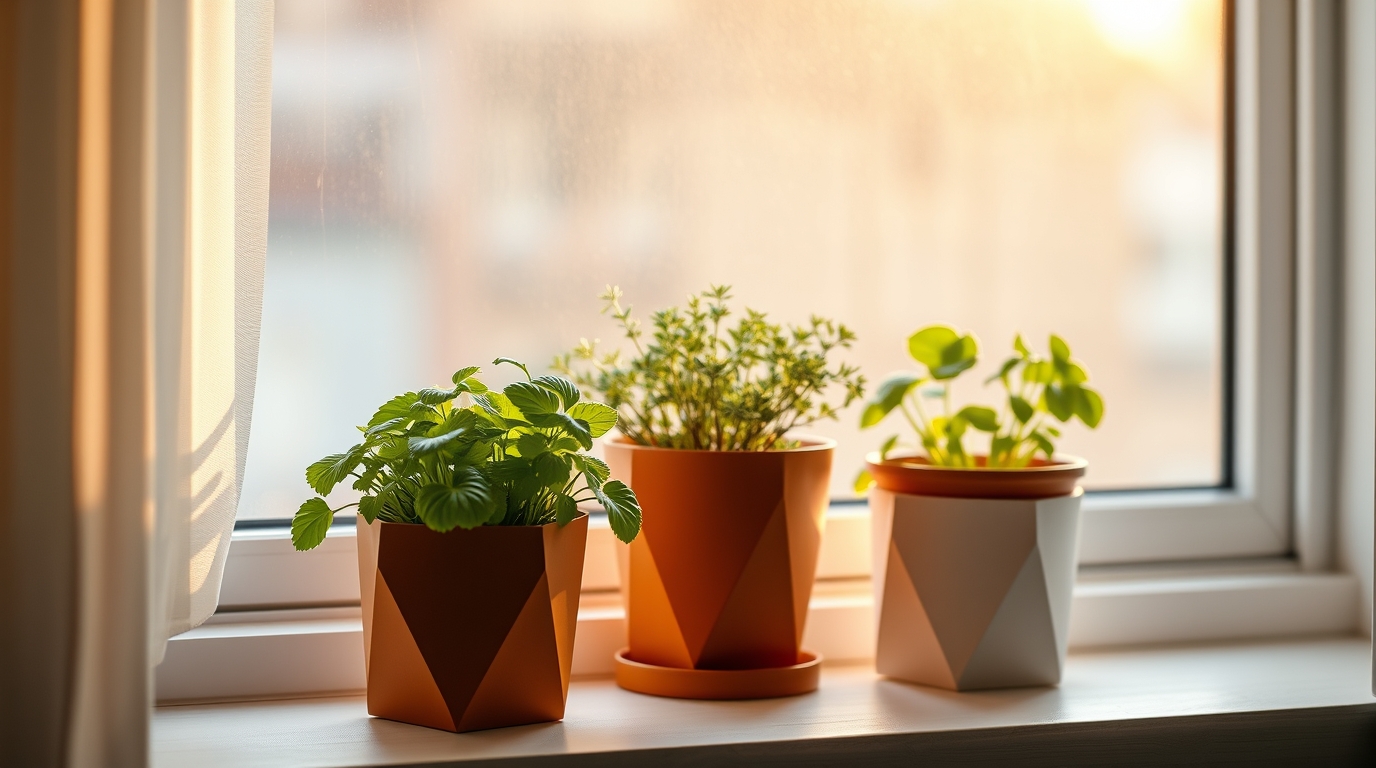
- Grow in containers on balconies if space is limited.
- Mix heights and colours for visual appeal and varied flower shapes.
- Collect rainwater for watering to save resources.
- Join community meadow projects if you want to expand beyond your own plot.
- Track which plants attract the most visitors with a simple notebook.
These extra ideas will enhance your results when you apply how to grow pollinator-friendly flowers in practice.
Conclusion
Creating a garden full of life is one of the most satisfying things you can do. By choosing the right plants, preparing the space and caring for it thoughtfully, you will enjoy a beautiful, buzzing outdoor area that supports nature. Start small if you prefer and watch it grow. Most of all, have fun with the process because every flower you add makes a difference. You deserve to feel proud of your efforts and to celebrate the visitors that arrive.
What will be your first flower choice? Share your experiences or questions in the comments below. We are here to help.
FAQ Section About How to Grow Pollinator-Friendly Flowers
How long does it take to see results when learning how to grow pollinator-friendly flowers?
Most plants begin attracting pollinators within the first flowering season. Perennials may take a second year to reach full size, but annuals like borage deliver quick rewards.
Can I grow pollinator-friendly flowers in shade?
Yes, several options such as foxglove, comfrey and bluebell thrive in partial shade. Choose shade-tolerant varieties and you can still succeed.
Do I need special soil?
No special soil is required. Most plants prefer well-drained, average garden soil. Improving drainage and adding compost is usually enough.
Will these flowers attract only bees?
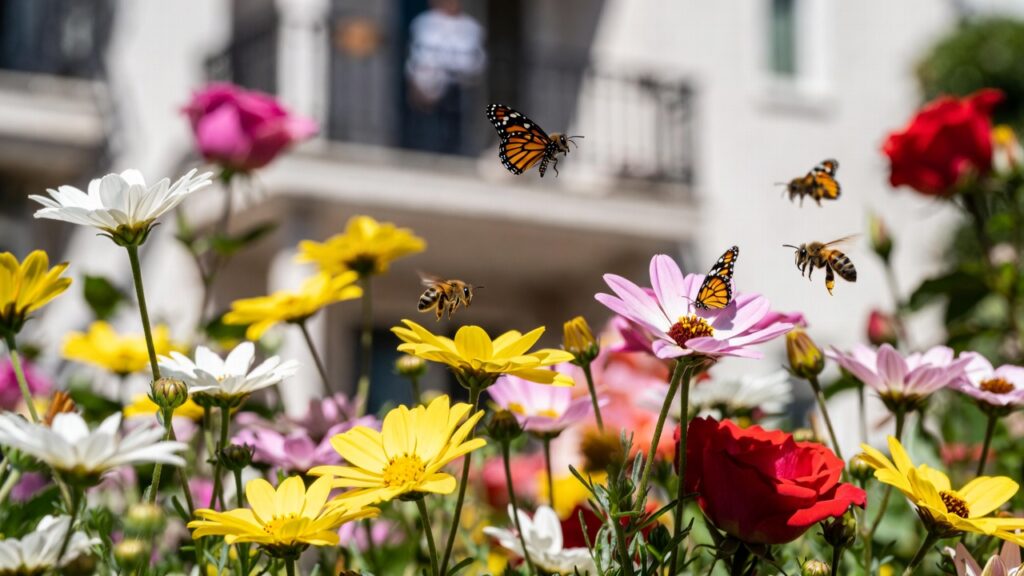
No. You will welcome butterflies, hoverflies, moths and even beetles when you grow the recommended plants.
Is it expensive to start how to grow pollinator-friendly flowers?
It can be very affordable. Seeds and small plug plants cost little, and many perennials spread naturally over time for free extra plants.