
Struggling to sleep? Discover how to improve sleep without meds using simple, natural habits. Follow these 7 proven steps for better rest tonight – no tablets needed!
How to Improve Sleep Without Meds
Feeling exhausted from endless nights of tossing and turning? You’re not alone. Millions of people, especially teens and young adults, struggle with sleep, but the good news is you can learn how to improve sleep without meds using completely natural methods. These science-backed habits are simple, free, and actually work when you stick to them. Ready for deeper, more refreshing sleep? Let’s get started.
Why Natural Sleep Solutions Work Better Long-Term
Sleep medication might help short-term, but it doesn’t fix the root causes of poor rest. Building healthy habits trains your body to fall asleep and stay asleep naturally. Best of all, these changes also boost mood, focus, and energy during the day.
Step-by-Step Guide: How to Improve Sleep Without Meds
Follow these seven practical steps in order. Start with one or two, then add more as they become routine.
Step 1: Set a Fixed Sleep Schedule
Go to bed and wake up at the same time every single day, even on weekends. Your body loves consistency. Aim for 7-9 hours. If you’re currently sleeping at 2 a.m. and waking at 10 a.m., shift everything 15-30 minutes earlier each day until you reach your ideal times.
Step 2: Create a Wind-Down Routine (Start 60 Minutes Before Bed)
Dim the lights, put your phone on night mode or (better yet) out of the bedroom, and do something relaxing. Good options include reading a physical book, gentle stretching, listening to calm music, or writing tomorrow’s to-do list to clear your mind.
Step 3: Block Blue Light and Bright Screens
Blue light from phones, laptops, and TVs suppresses melatonin, the hormone that makes you sleepy. Stop screen time at least 60 minutes before bed. If that’s impossible, wear blue-light-blocking glasses or turn on your device’s night shift mode.
Step 4: Optimize Your Bedroom Environment
Make your room cool (16-18°C), dark, and quiet. Use blackout curtains, a comfortable mattress, and breathable bedding. Consider a white noise machine or earplugs if traffic or family noise keeps you awake.
Step 5: Step 5: Move Your Body During the Day
Exercise helps you fall asleep faster and sleep more deeply. Aim for at least 30 minutes of movement (walking, cycling, dancing – anything counts). Just finish vigorous workouts at least 3 hours before bedtime.
Step 6: Be Smart About Food and Drink
Avoid caffeine after 2 p.m. (it can stay in your system for 8+ hours). Skip heavy, spicy, or sugary meals close to bedtime. Light snacks that help sleep include bananas, almonds, cherries, or a small bowl of porridge.
Step 7: Master a Relaxation Technique
If your brain won’t switch off, try the 4-7-8 breathing method: inhale for 4 seconds, hold for 7, exhale for 8. Repeat four times. Alternatives include body scanning, progressive muscle relaxation, or a 10-minute guided meditation from a free app.
Quick Bonus Tips That Make a Big Difference
- Get morning sunlight within an hour of waking to set your body clock.
- Keep naps under 30 minutes and before 3 p.m.
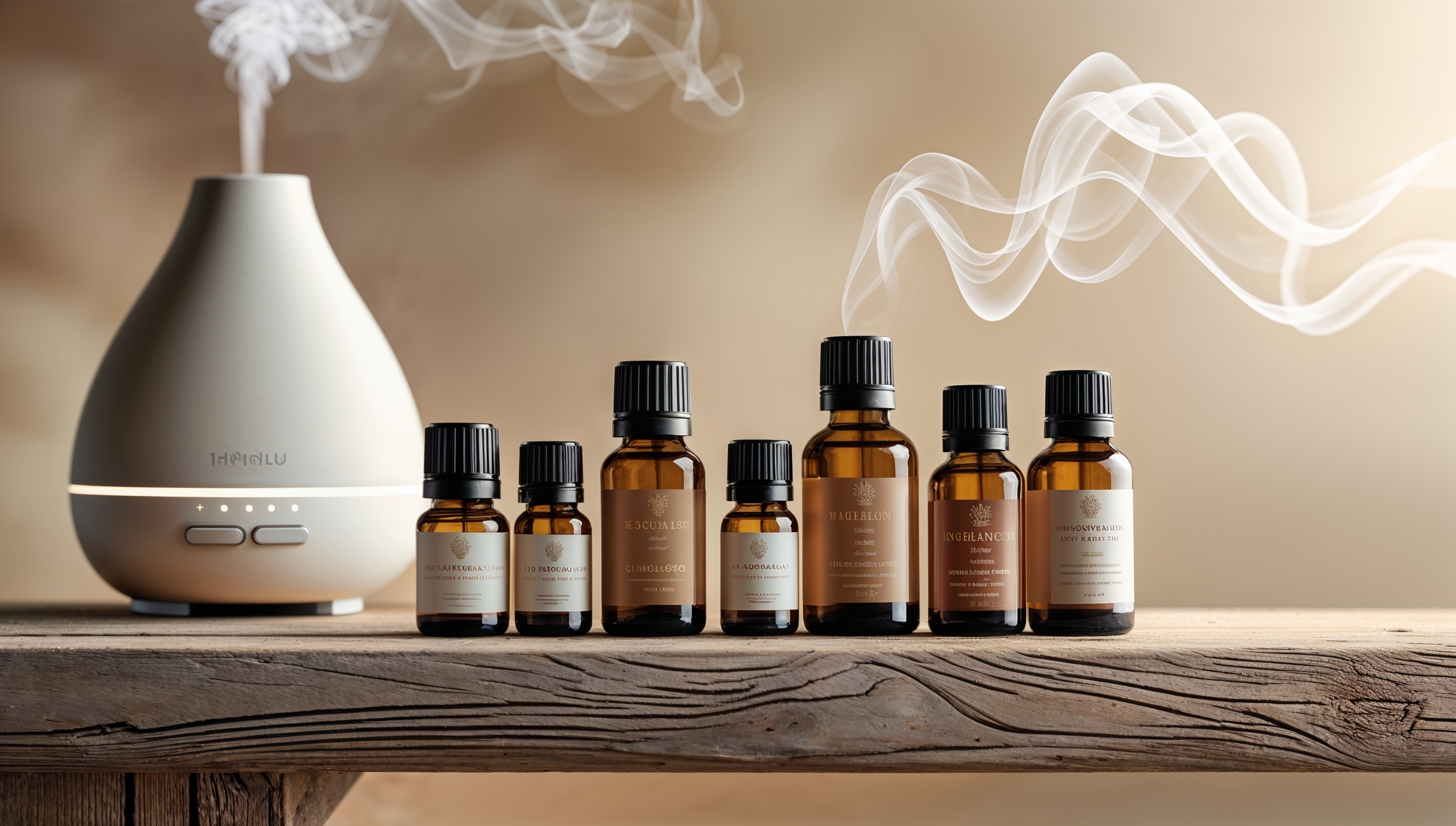
- Use lavender essential oil on your pillow or wrists.
- Keep your bedroom for sleep and intimacy only (no studying or scrolling in bed).
Final Thoughts
Learning how to improve sleep without meds is one of the kindest things you can do for your body and mind. Start tonight with just one change (putting your phone outside the bedroom is an easy win) and build from there. Your future well-rested self will thank you.
Sweet dreams!
FAQ
Q: How quickly will I see results?
A: Most people notice improvement within 7-14 days of consistent habits
Q: I wake up at 3 a.m. and can’t fall back asleep. What should I do?
A: Get out of bed. Do a boring, non-screen activity in low light (like reading or colouring) until you feel sleepy again.
Q: Can I still have coffee if I want better sleep?
A: Yes, just finish it before 2 p.m. Switch to decaf or herbal tea in the afternoon.
Q: Do sleep supplements count as “meds”?
A: Many are natural (like magnesium or melatonin from food), but this guide focuses on completely drug-free methods.
Q: I’m a night owl. Can I ever become a morning person?
A: Yes! Gradually shift your schedule and get bright light first thing in the morning. It usually takes 2-4 weeks.