Discover how to make burnt Basque cheesecake in 8 easy steps with this fun beginner guide. Learn simple recipes, tips, and variations for creamy, caramelised desserts that impress every time.
How to Make Burnt Basque Cheesecake
Are you in the mood for a truly indulgent dessert that looks impressive but is surprisingly straightforward? Making burnt Basque cheesecake is perfect for that. It delivers a beautifully caramelised top with an ultra-creamy, almost custardy centre that melts in your mouth. If you enjoy rich, wobbly puddings without complicated techniques, learning how to make burnt Basque cheesecake will quickly become a favourite. In this cosy chat, we will guide you through how to make burnt Basque cheesecake step by step, keeping everything relaxed and beginner-friendly. With these 8 easy steps, you will bake a showstopper everyone will love. Ready to preheat the oven and find out how to make burnt Basque cheesecake? Let us get started!
What You’ll Need
Before we jump into how to make burnt Basque cheesecake, let us have a quick natter about the essentials. These are mostly store cupboard items or easy to grab from the supermarket, so no fancy hunting required.
- 500g full-fat cream cheese (room temperature for smoothness)
- 200g caster sugar (for that sweet balance)
- 3 large eggs (to bind the mix)
- 300ml double cream (for ultimate creaminess)
- 1 tbsp plain flour (to stabilise without heaviness)
- 1 tsp vanilla extract (for subtle aroma)
- A pinch of salt (to enhance flavours)
- A pinch of salt (to enhance flavours)
This makes one 20cm cake, serving 8-10. Making burnt Basque cheesecake shines with quality cream cheese, so splash out on a good one.
8 Easy Step-by-Step Instructions for How to Make Burnt Basque Cheesecake
Alright, let us chat through how to make burnt Basque cheesecake with these 8 simple steps. We will use a springform tin lined with parchment for that signature crinkle. This takes about 1 hour, plus chilling.
- Preheat your oven: Crank it to 200°C fan (or 220°C conventional).
- Beat the cheese and sugar: In a bowl, whisk cream cheese and sugar until smooth.
- Add eggs one by one: Crack in each egg, mixing well after. Steady incorporation avoids lumps.
- Pour in cream and vanilla: Stir in the double cream, vanilla, salt, and flour until combined.
- Line your tin: Scrunch parchment paper into a 20cm springform tin, letting it overhang.
- Pour and bake: Tip the batter in and bake for 45-50 minutes until jiggly in the middle but browned on top.
- Cool completely: Let it cool in the tin, then chill in the fridge for at least 4 hours.
- Serve and enjoy: Unmould, slice, and dig in. That is the delightful end of making burnt Basque cheesecake!
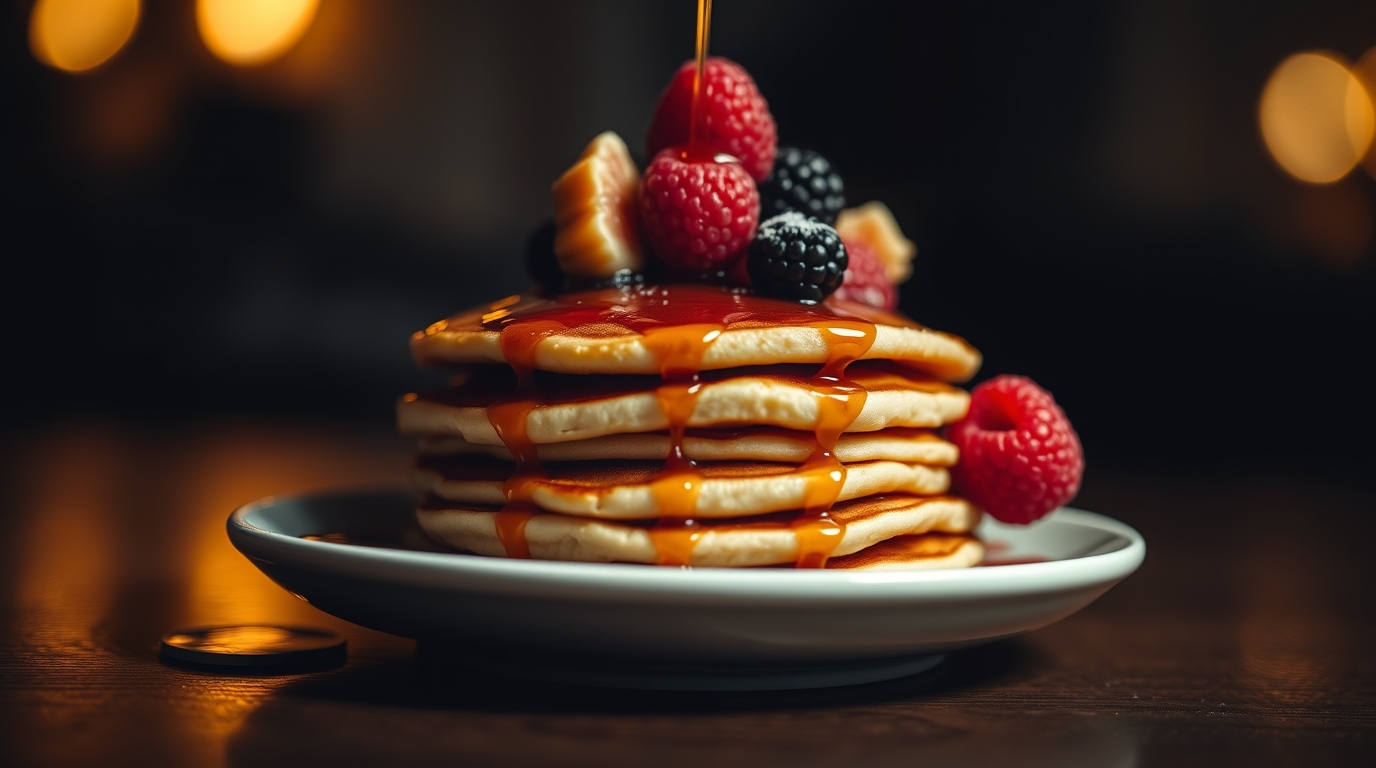
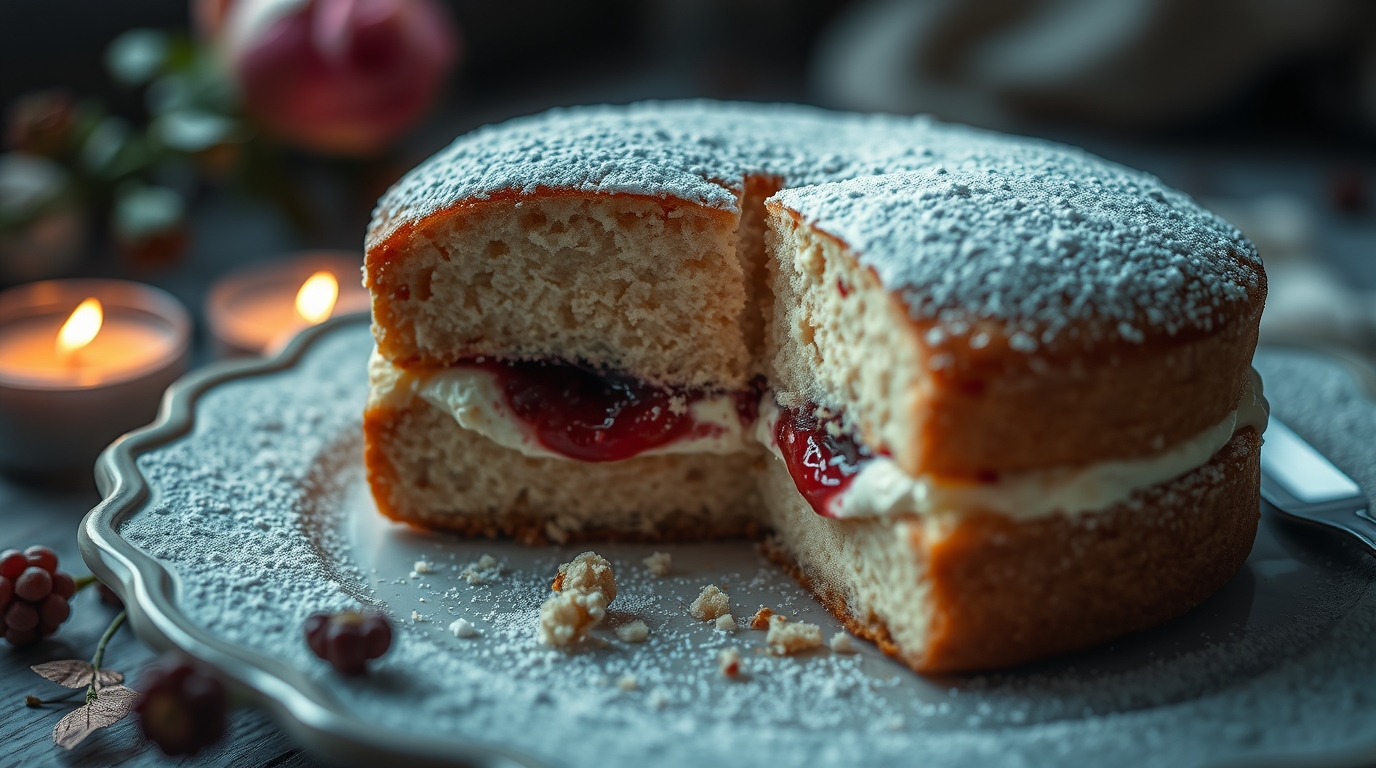
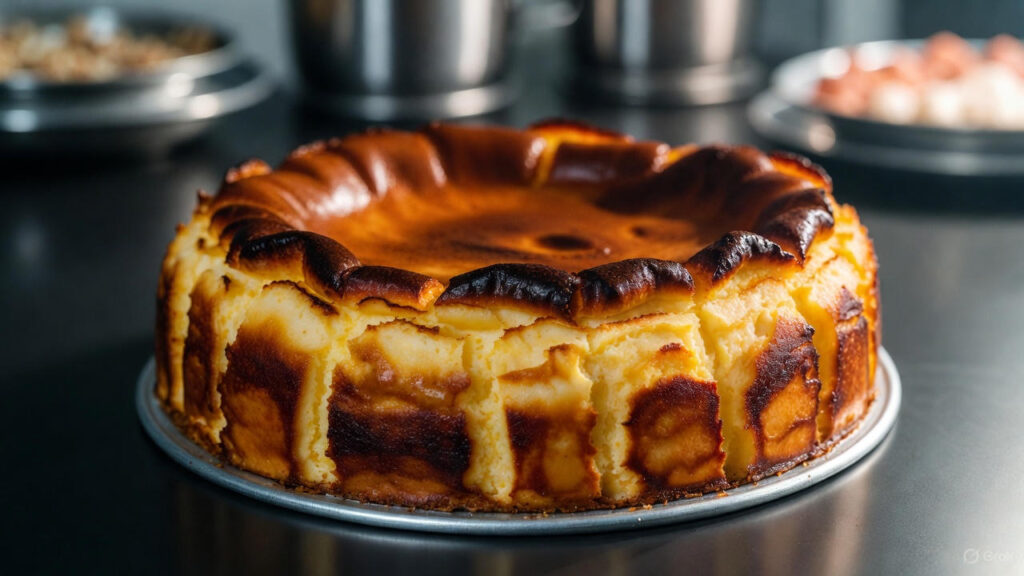
Making burnt Basque cheesecake gets even better with tweaks like adding chocolate or fruit. Peek at these visual steps for inspo!
Helpful Tips for Making Burnt Basque Cheesecake
- Use room-temp ingredients for a lump-free batter.
- Do not worry if it puffs up and cracks. That is normal.
- Chill overnight for the best texture.
- Experiment with flavours like espresso or berries.
- Store in the fridge for up to 3 days.
- Serve at room temp for maximum creaminess.
- Use full-fat everything for richness.
There we have it, a cosy natter on how to make burnt Basque cheesecake with 8 easy steps. It is such a crowd-pleaser that looks fancy but is dead simple. Why not bake one this weekend? I would love to see your versions. Share pics in the comments below. Happy baking!
FAQ About How to Make Burnt Basque Cheesecake
Q: Why is it called burnt?
A: The dark top is intentional for caramel flavour.
Q: Can I make it ahead?
A: Yes, it sets better after a day in the fridge.
Q: What if it is too jiggly?
A: Bake a few minutes more, but keep the centre soft.
Q: Gluten-free option?
A: Skip the flour or use a substitute.
Q: Best tin size?
A: 20cm springform for that tall, dramatic shape.