Learn how to manage cold and flu symptoms at home with these 10 effective strategies. Practical UK tips for relief, recovery, and preventing spread during the winter season.
How to Manage Cold and Flu Symptoms at Home
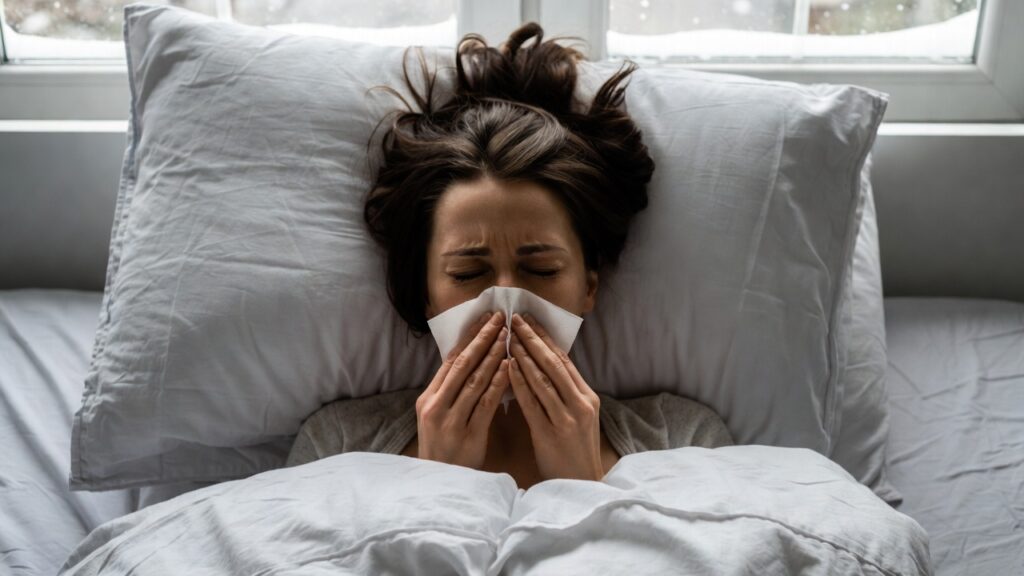
As winter grips the UK, colds and flu become common, bringing discomfort like sore throats, coughs, and fatigue. Knowing how to manage cold and flu symptoms at home empowers you to alleviate these issues without always needing medical intervention. This guide provides step-by-step instructions, offering friendly advice suitable for adults and families. By learning how to manage cold and flu symptoms at home, you can speed up recovery and reduce transmission. Always monitor symptoms and seek professional help if they worsen.
Why Learn How to Manage Cold and Flu Symptoms at Home?
Colds and flu are viral infections that spread easily in colder months, affecting daily life. Understanding how to manage cold and flu symptoms at home saves time, reduces NHS strain, and promotes self-care. It also builds confidence in handling minor illnesses, ensuring quicker return to normal activities. Let us explore the essential steps.
Step-by-Step Instructions
Follow these 10 practical steps to effectively learn how to manage cold and flu symptoms at home.
- Rest Adequately. Prioritise sleep and avoid strenuous activities to allow your body to fight the virus. Aim for 7-9 hours nightly. Rest is fundamental in conserving energy for healing.
- Stay Hydrated. Drink plenty of fluids like water, herbal teas, or broths to thin mucus and soothe throats. Aim for 2-3 litres daily. Hydration supports managing cold and flu symptoms at home by preventing dehydration.
- Use Steam Inhalation. Inhale steam from a hot shower or bowl of hot water with a towel over your head for 10-15 minutes. Add menthol if desired. This relieves congestion.
- Consume Soothing Remedies. Try honey in warm lemon water or ginger tea to ease coughs and sore throats. Avoid giving honey to children under one.
- Gargle with Salt Water. Mix half a teaspoon of salt in warm water and gargle several times daily to reduce throat inflammation.
- Take Over-the-Counter Medications. Use paracetamol for fever or ibuprofen for aches, following packet instructions. Decongestants can help nasal issues.
- Eat Nutritious Foods. Opt for soups, fruits, and vegetables rich in vitamins to boost immunity. Include garlic and onions for their antiviral properties. Nutrition is key when exploring how to manage cold and flu symptoms at home.
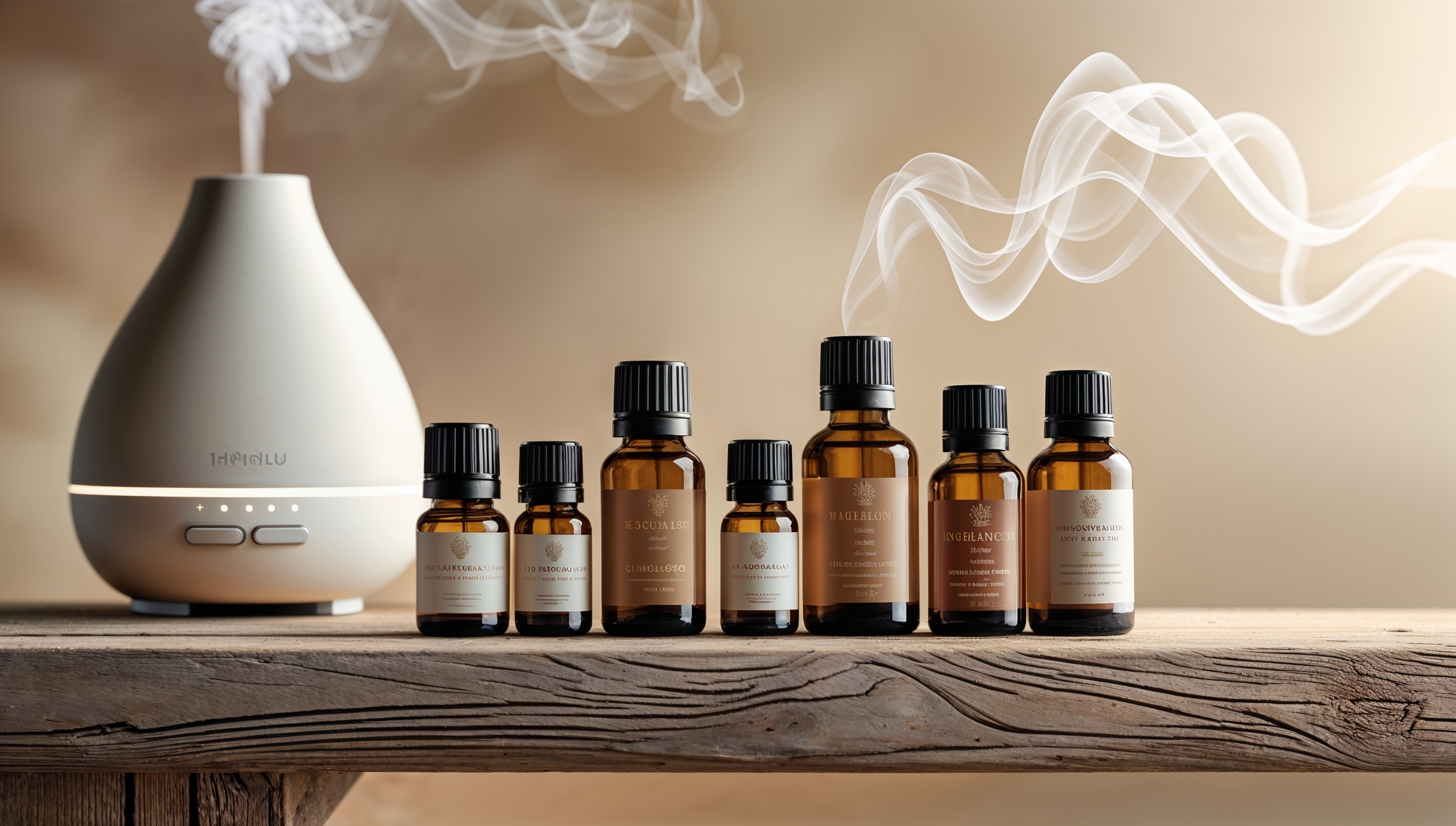
- Humidify the Air. Use a humidifier or place bowls of water near radiators to add moisture, easing breathing. Clean devices regularly to avoid mould.
- Practise Good Hygiene. Wash hands often, cover coughs with tissues, and disinfect surfaces to prevent spread. Isolation when symptomatic protects others.
- Monitor and Seek Help if Needed. Track symptoms; if fever persists over three days or breathing difficulties arise, contact your GP or 111.
By following these steps, you will confidently know how to manage cold and flu symptoms at home, promoting faster recovery.
Additional Tips for Managing Cold and Flu Symptoms at Home
To further help manage cold and flu symptoms at home, elevate your head while sleeping to reduce congestion. Avoid smoking and limit alcohol, as they can worsen symptoms.
In conclusion, mastering how to manage cold and flu symptoms at home brings comfort and control. These strategies support health and well-being. Stay informed and proactive this winter.
FAQ Section
Q: How long do cold and flu symptoms typically last?
A: Colds last 7-10 days, flu up to two weeks; follow tips on how to manage cold and flu symptoms at home for relief.
Q: Can I exercise with cold or flu?
A: Light activity if mild, but rest if feverish.
Q: Are antibiotics useful for cold and flu?
A: No, as they are viral; focus on supportive care.
Q: What about children?
A: Use age-appropriate remedies and consult a doctor.
Q: When should I see a doctor?
A: If symptoms worsen or persist, seek medical advice.