
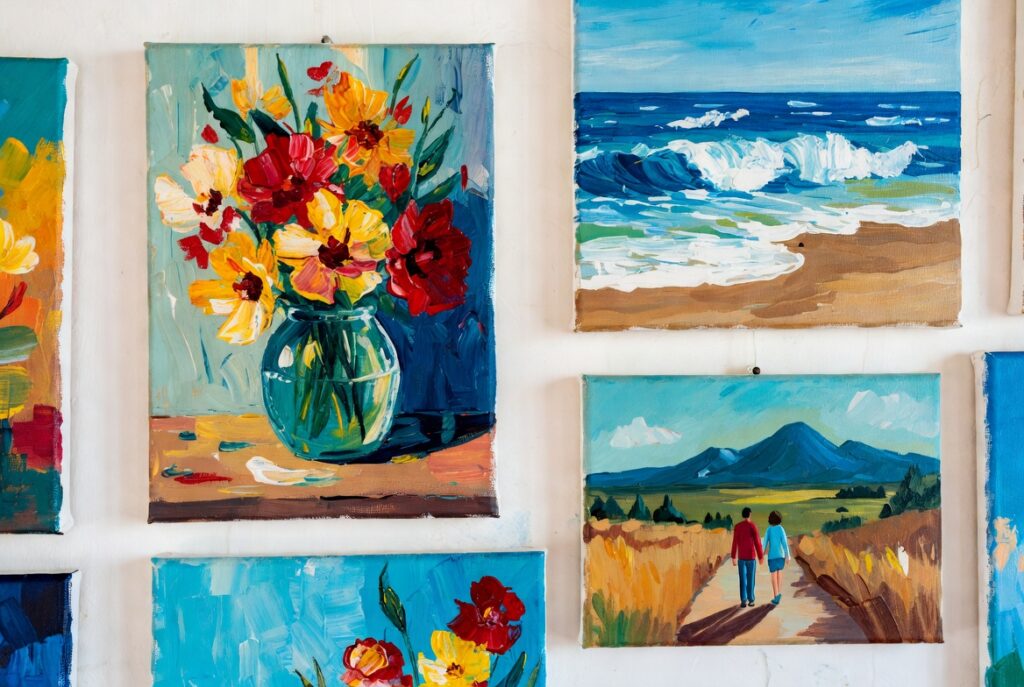
Discover beginner-friendly guidance on how to paint with acrylics, including essential materials, basic techniques, step-by-step instructions, and helpful tips to create vibrant artwork confidently and enjoyably.
How to Paint with Acrylics
Acrylic paints offer wonderful versatility, quick drying times, and brilliant colours, making them an excellent choice for beginners and experienced painters alike. Learning how to paint with acrylics opens doors to creative expression, whether you wish to craft landscapes, still lifes, or abstract pieces. This guide provides clear, supportive advice to help you start with confidence. We cover materials, techniques, and a straightforward process so you can begin creating beautiful work today. Understanding how to paint with acrylics allows experimentation with layers, blending, and textures while embracing the forgiving nature of this medium. Always feel free to practise and enjoy the process.
Why Learn How to Paint with Acrylics?
Acrylics dry rapidly, enabling quick layering without long waits, and they adhere well to various surfaces like canvas, paper, or wood. They clean up easily with water, produce vivid hues, and resist fading when properly varnished. Mastering how to paint with acrylics builds skills in colour mixing, brush control, and composition affordably. Many find it therapeutic and rewarding, fostering relaxation and personal achievement. Exploring how to paint with acrylics encourages creativity without intimidation, as mistakes can often be covered with additional layers.
Essential Materials
To begin how to paint with acrylics successfully, gather these key supplies:
- Acrylic Paints: Start with a basic set including primary colours (red, blue, yellow), plus white, black, and a few earth tones.
- Brushes: A variety pack with flat, round, and filbert shapes in sizes 2 to 12.
- Canvas or Surface: Pre-stretched, primed canvas or canvas boards for ease.
- Palette: A plastic or stay-wet palette to keep paints workable.
- Water Container and Rags: For cleaning brushes.
- Other Items: Easel (optional), apron, and palette knife for mixing or texture.
Step-by-Step Instructions
Here is a simple plan to follow when learning how to paint with acrylics:
- Prepare Your Workspace and Surface: Set up in a well-lit area with good ventilation. Prime your canvas with gesso if needed, and sketch your composition lightly with pencil.
- Select and Mix Colours: Squeeze paints onto your palette. Practise mixing by combining primaries to create secondary hues. Add water for thinner consistency or use medium for smoother flow.
- Block in Basic Shapes: Use a large brush to apply thin, diluted layers (underpainting) for broad areas. Establish light and dark values early.
- Build Layers Gradually: Work from background to foreground. Apply medium layers, allowing each to dry quickly before adding details. Use glazing techniques for depth.
- Add Details and Textures: Switch to smaller brushes for finer elements. Experiment with dry brushing for texture or palette knives for impasto effects.
- Refine and Adjust: Step back frequently to assess balance. Correct areas by overpainting once dry. Enhance contrasts for impact.
- Finish and Protect: Once satisfied, let the painting dry fully (usually 24 hours). Apply varnish for protection and sheen if desired.
Additional Tips
- Work quickly but in sessions, as acrylics dry fast; use a stay-wet palette to extend working time.
- Thin paints with water for washes or glazing, but avoid excess to prevent cracking.
- Clean brushes promptly with soap and water to maintain shape.
- Experiment with mediums like retarder for slower drying or flow improver for smoother application.
- Practise colour theory basics to achieve harmonious palettes.
- Start with simple subjects like fruit or single objects to build confidence.
- Enjoy the process without perfectionism; embrace happy accidents.
Conclusion
Embracing how to paint with acrylics invites endless creativity and satisfaction. With these approachable steps and tips, you can begin producing artwork you love. Consistency and enjoyment matter most. What will be your first subject when exploring how to paint with acrylics? Share your thoughts or progress in the comments below.
FAQ
Q: What makes acrylics suitable for beginners?
A: They dry quickly, clean with water, and allow easy corrections through layering.
Q: How long does it take for acrylic paint to dry?
A: Usually 10-30 minutes per layer, depending on thickness and conditions.
Q: Can I thin acrylic paint too much?
A: Yes; excessive water weakens adhesion. Use mediums instead for better flow.
Q: Do I need special brushes?
A: Synthetic brushes work well as they hold shape and clean easily.
Q: How do I prevent my acrylic paints from drying out on the palette?
A: Mist with water or use a stay-wet palette designed for acrylics.