Learn effective, practical ways on how to reduce hot flushes through lifestyle adjustments, dietary changes, cooling techniques, and relaxation practices. This friendly guide provides evidence-based tips to help manage menopausal symptoms and improve comfort naturally.
How to Reduce Hot Flushes
Hot flushes, those sudden waves of heat often linked to menopause, can disrupt daily life and sleep for many women. Exploring how to reduce hot flushes offers a supportive path to greater ease and wellbeing. This guide shares reliable, gentle approaches drawn from trusted health sources to help you manage symptoms effectively. Whether you experience occasional flushes or more frequent ones, understanding how to reduce hot flushes empowers you to make positive changes. Always discuss persistent symptoms with your healthcare provider for tailored advice.
Why Learn How to Reduce Hot Flushes?
You might ask why focusing on how to reduce hot flushes matters so much. These episodes arise from hormonal shifts, particularly declining oestrogen levels, affecting the body’s temperature regulation. By addressing triggers and supporting overall health, many women notice fewer or milder episodes. Learning how to reduce hot flushes promotes better sleep, reduced stress, and enhanced quality of life. Simple adjustments often yield meaningful relief without relying solely on medication, fostering a sense of control and comfort during this natural life stage.
Common Triggers and Helpful Approaches
Start by identifying common triggers and beneficial strategies:
- Stay Cool: Dress in layers of breathable fabrics and keep environments cooler with fans or air conditioning.
- Avoid Triggers: Limit spicy foods, caffeine, alcohol, and hot drinks that can provoke episodes.
- Maintain Healthy Weight: Gradual weight management through balanced habits supports hormone balance.
- Exercise Regularly: Moderate activity like walking or yoga aids regulation and mood.
- Manage Stress: Techniques such as deep breathing or mindfulness lessen intensity.
- Hydrate Well: Drinking cool water throughout the day helps overall comfort.
These elements form a strong foundation to reduce hot flushes effectively.
Step-by-Step Instructions
- Consult a Healthcare Professional: Begin with a check-up to rule out other causes and discuss your symptoms.
- Optimise Your Environment for Coolness: Dress in light, layered clothing made from natural fibres like cotton. Keep your bedroom cool at night, use a fan, and layer bedding for easy adjustment.
- Identify and Avoid Personal Triggers: Track episodes in a journal to spot patterns. Common ones include spicy foods, caffeine, alcohol, and hot beverages. Gradually reduce or eliminate these.
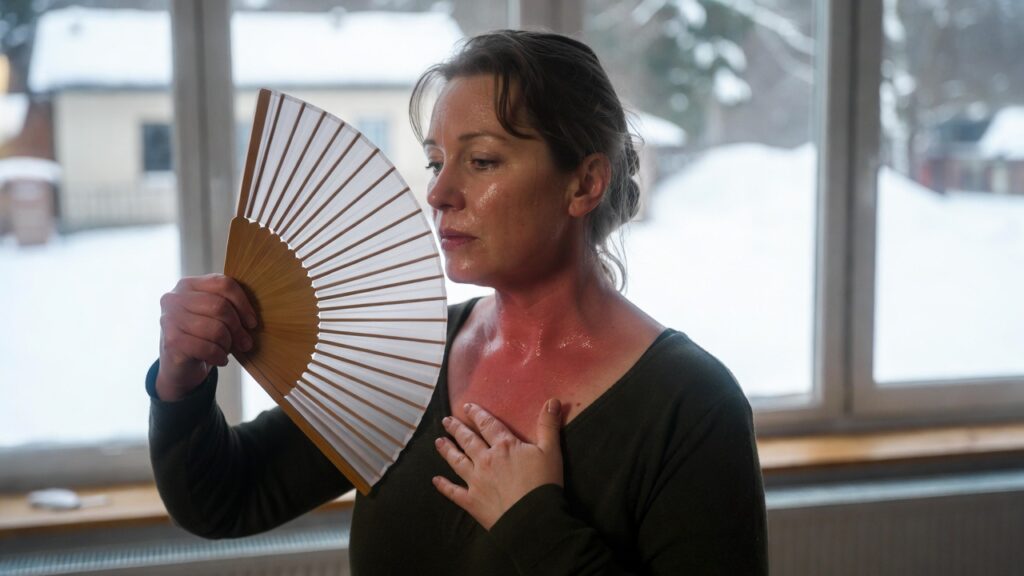
- Adopt Cooling Techniques: Carry a portable fan or cooling wipes. Sip cold drinks when a flush begins, or apply a cool cloth to your neck or wrists for quick relief.
- Incorporate Relaxation Practices: Practise slow, deep breathing (inhale for four counts, hold, exhale for six) during an episode. Try mindfulness, meditation, or gentle yoga daily to lower stress.
- Focus on Supportive Nutrition: Emphasise a balanced diet with plenty of fruits, vegetables, whole grains, and phytoestrogen-rich foods like soy products (tofu, edamame). Stay hydrated and consider limiting processed items.
- Build Regular Movement: Aim for 30 minutes of moderate exercise most days, such as brisk walking or swimming. This supports temperature regulation and overall health.
- Monitor and Refine: Track changes over 4-6 weeks. Adjust approaches as needed and seek further guidance if symptoms persist.
Consistent application helps many master how to reduce hot flushes successfully.
Additional Tips
Enhance your efforts to reduce hot flushes with these practical suggestions:
- Choose breathable bedding and sleepwear to stay comfortable overnight.
- Experiment with phytoestrogen sources like flaxseeds or soy in moderation, after professional advice.
- Prioritise quality sleep by maintaining a cool, dark bedroom and consistent routine.
- Stay active but avoid intense workouts close to bedtime.
- Consider acupuncture or cognitive behavioural therapy if interested, as some find them helpful.
- Be patient; benefits from lifestyle shifts often build gradually.
- Avoid smoking, which can worsen symptoms.
Conclusion
Mastering how to reduce hot flushes can bring welcome relief and renewed comfort during menopause. With these gentle, evidence-informed steps, you are equipped to ease symptoms and support your wellbeing. Embrace consistency and self-compassion along the way. How will you start? Please share your experiences or questions in the comments below.
FAQ Section
Q: What causes hot flushes?
A: Hot flushes stem mainly from hormonal changes during menopause, disrupting the body’s thermostat.
Q: Is reducing hot flushes effective without medication?
A: Yes, many women find significant relief through lifestyle changes alone, though results vary.
Q: How quickly can reducing hot flushes show results?
A: Some notice improvements within weeks, while others take a few months of consistency.
Q: Can men experience hot flushes?
A: Yes, though less common, certain medical conditions or treatments can cause them in men.
Q: Are herbal remedies safe to reduce hot flushes?
A: Some like black cohosh may help, but consult a doctor first due to potential interactions.