Learn how to repot an orchid after flowering with this 7-step guide. Trim roots, choose proper mix, and ensure reblooming success.
Essential Steps to Refresh Roots, Prevent Rot, and Trigger Healthy Reblooming
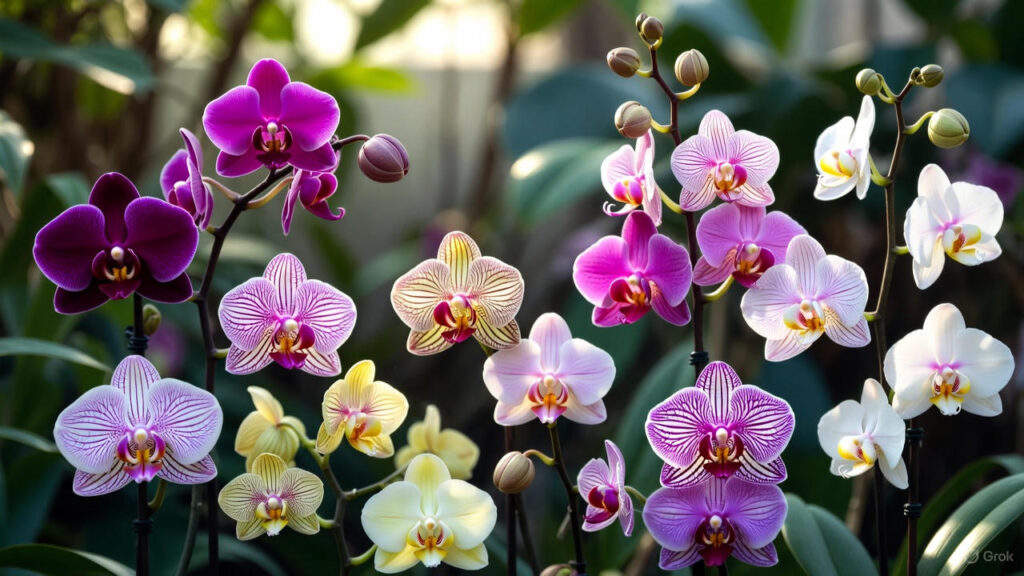
Orchids, particularly Phalaenopsis (moth orchids), often require repotting immediately after flowering to maintain vigor and encourage future blooms. Post-bloom repotting removes depleted medium, trims dead roots, and provides fresh nutrients before the plant enters active growth. This guide explains how to repot an orchid after flowering using a systematic, root focused approach backed by horticultural best practices. Performed every 1–2 years or when roots overflow the pot, this 20 minute process can extend plant lifespan by 5–10 years and increase bloom frequency by 50%.
Detailed Guide: How to Repot an Orchid After Flowering
Assess Repotting Necessity
Timing prevents unnecessary stress.
- Repot only after the last flower fades and the spike turns brown (cut spike 1 inch above the node if green for possible rebloom).
- Check indicators: roots escaping drainage holes, medium broken down into dust, or plant wobbling loosely.
- Avoid repotting during budding or active bloom.
Tip: Gently lift the plant; if roots are pale green and firm, delay repotting. Gray, shriveled, or black roots signal urgent need.
Gather Specialized Materials
Orchid-specific supplies ensure aeration and drainage.
- New clear plastic orchid pot (1–2 inches wider than current) with ample slits.
- Fresh orchid mix: coarse fir bark, perlite, and sphagnum moss (3:1:1 ratio) or ready made Phalaenopsis blend.
- Sterilized pruning shears or scissors (wipe with 70% alcohol).
- Cinnamon powder (natural antifungal).
- Optional: moss pole for climbing varieties.
Tip: Soak new bark mix in water for 12–24 hours before use; this prevents it from robbing moisture from roots post-repotting.
Remove the Orchid from Its Pot
Minimize root trauma.
- Water lightly 1–2 hours prior to loosen medium.
- Tap pot sides and squeeze gently to release root ball.
- Slide plant out; if stuck, cut pot away rather than yank roots.
Tip: Work over newspaper; old medium harbors pests like fungus gnats. Inspect for mealybugs or scale and treat with neem oil if present.
Clean and Trim Roots
Healthy roots are the foundation of reblooming.
- Rinse roots under lukewarm water to remove old bark.
- Trim dead roots (hollow, black, or mushy) with sterilized shears at a 45-degree angle.
- Leave velamen covered (white/silvery) and green tips intact; these absorb water and nutrients.
- Dust cut ends with cinnamon to prevent fungal infection.
Tip: Aim to remove no more than 30% of root mass. More aggressive pruning delays growth by 3–6 months.
Position in the New Pot
Center the plant for balanced growth.
- Add 1 inch of soaked orchid mix to the new pot base.
- Hold orchid so the junction of roots and leaves sits ½ inch below pot rim (allows for crown growth).
- Spread roots outward like a fan; avoid cramping.
Tip: Use clear pots to monitor root health green roots indicate active photosynthesis; white/silvery is normal dormant state.
Fill and Secure with Fresh Medium
Proper packing prevents rot and supports aerial roots.
- Add mix gradually around roots; tap pot to settle without compacting.
- Leave top 1 inch empty for watering space.
- Stake if plant is top heavy; secure loosely with clips.
Tip: Do not bury the crown (leaf base). Water sitting here causes fatal crown rot within 48 hours.
Aftercare and Recovery
Trigger new root growth within 4–6 weeks.
- Water sparingly first week mist roots daily instead of soaking.
- Place in bright, indirect light (east window ideal); avoid direct sun for 2 weeks.
- Resume normal watering (when roots turn silvery) and fertilize weekly with ¼-strength orchid fertilizer.
- Expect new roots in 3–4 weeks; spikes in 6–9 months.
Tip: Maintain 60–70% humidity with a pebble tray or humidifier. Temperatures: 65–75°F day, 55–65°F night.
FAQ
Q: Can I reuse old orchid mix?
A: No. Decomposed bark harbors pathogens and retains excess moisture, leading to root rot in 2–3 months.
Q: Should I repot in spring or fall?
A: Post-bloom (any season) is best. Spring offers optimal light for recovery; avoid winter due to low humidity.
Q: Can I use regular potting soil?
A: Never. Orchids are epiphytes requiring 70% air space around roots. Soil suffocates them within weeks.
Q: My pot has no drainage. Is that okay?
A: No. Orchids need drainage within 15 minutes of watering. Drill holes or repot immediately.
Q: How soon will it rebloom after repotting?
A: 6–12 months with ideal care. Stress from repotting delays spikes; consistent light and fertilizer accelerate.