Find out gentle and practical ways on how to ride an adventure bike with standing techniques, body positioning, gear choices and route planning. This chatty UK guide helps beginners and enthusiasts tackle mixed terrain safely while enjoying the thrill of adventure riding on British roads and trails.
How to Ride an Adventure Bike
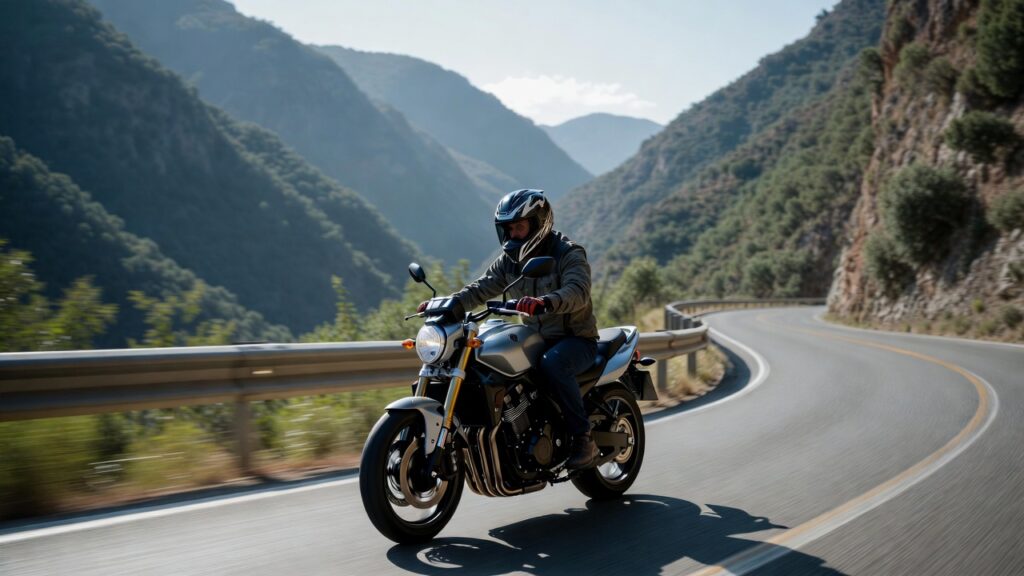
There is something brilliant about pointing an adventure bike down a green lane or winding B-road and feeling that sense of freedom. Adventure bikes are built for it all, from smooth motorways to bumpy tracks, but they can feel big and intimidating at first. Learning how to ride an adventure bike properly makes those moments more enjoyable and far less stressful. It is about building steady skills so you stay in control whether you are filtering through traffic or picking your way over loose gravel. This guide shares friendly, doable tips you can practise bit by bit. These habits help you grow confident while keeping every ride safe and rewarding.
Why Adventure Bike Skills Matter
Adventure riding mixes road and off-road, so good technique keeps you upright and smiling through changeable conditions. Riders who learn how to ride an adventure bike well handle UK weather, unexpected potholes, muddy farm tracks and steep hills with more calm. They avoid common drops, reduce fatigue on long days and spot hazards early. Getting comfortable with how to ride an adventure bike also means more fun exploring remote spots without constant worry. The skills you pick up early last for years, turning potential frustration into pure enjoyment whatever the route throws at you.
Core Principles for Adventure Riding
Before jumping into specifics, keep these warm ideas in mind when figuring out how to ride an adventure bike:
- Comfort builds control. A bike that fits you encourages better riding.
- Stand more than you sit off-road. It changes everything for balance and feel.
- Look where you want to go. Eyes lead the bike.
- Be smooth with inputs. Gentle throttle, brakes and steering prevent surprises.
- Know your limits and build slowly. Small challenges lead to big progress.
These thoughts create the mindset that makes learning how to ride an adventure bike feel natural rather than overwhelming.
Step-by-Step Strategies
Here are practical, friendly ways to build your adventure riding confidence. Master how to ride an adventure bike with these steps. They suit UK conditions and can be practised in car parks, quiet lanes or gentle trails.
- Get the Bike Set Up Right. Adjust levers, pegs and handlebars so you can stand comfortably with slight knee bend and reach controls easily. Lower the seat if needed at first, but aim for standing position. Correct setup reduces strain and boosts confidence from the start.
- Choose Proper Gear and Protection. Wear adventure-specific kit: helmet, jacket and trousers with armour, sturdy boots with good grip, gloves and perhaps a back protector. Layer for UK weather. Good gear keeps you protected and focused rather than distracted by discomfort.
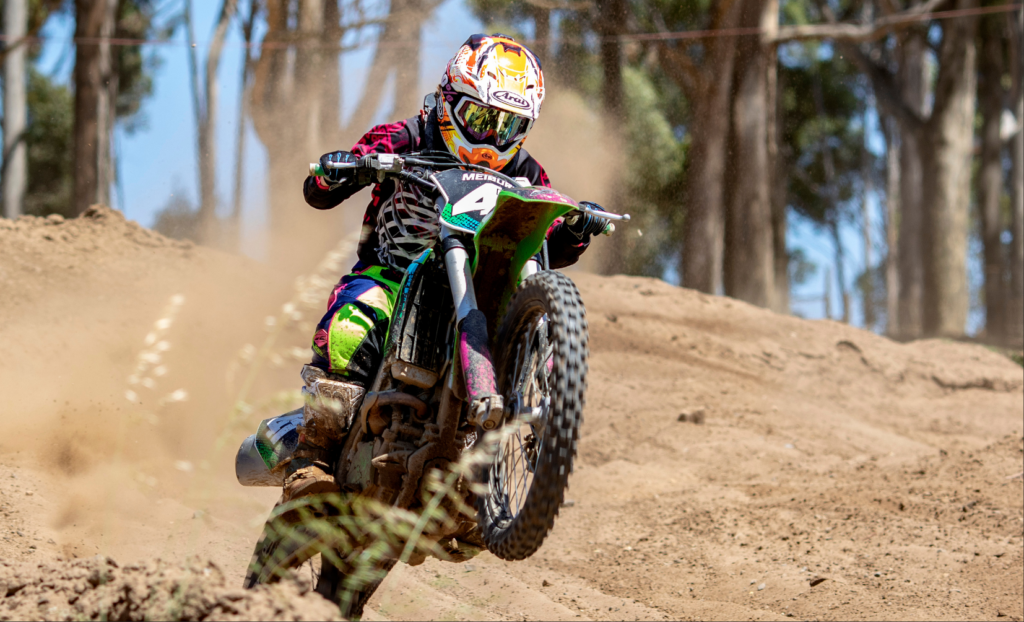
- Master Standing on the Pegs. Practise standing in a safe area: weight on balls of feet, knees grip the tank lightly, elbows up and out, core engaged. Standing lowers your centre of gravity and lets the bike move beneath you. It is key for rough terrain.
- Practise Smooth Throttle and Clutch Control. Use gentle, rolling throttle inputs. Feather the clutch for low-speed balance. On trails, keep revs steady to avoid wheel spin. Smoothness prevents stalls and builds trust in the machine.
- Learn Body Positioning. Shift weight forward for better front grip, back for traction on climbs, side to side for corners. Stay loose: grip with legs, not death-grip with hands. Good position helps the bike track straight and turn willingly.
- Brake Effectively On and Off Road. Use both brakes progressively. On loose surfaces, apply front gently to avoid washout, rely more on rear. Practise emergency stops on tarmac first, then adapt for gravel. Strong braking keeps you safe in surprises.
- Scan Ahead and Choose Your Line. Look far ahead to pick smooth paths. On trails, aim for the best traction spots. Avoid target fixation: keep eyes up and moving. Planning your line early makes tricky sections feel easier.
- Handle Different Terrains. Slow down on sand or mud, keep momentum on hills, ease off on descents. Use standing position and light controls. Adapt speed to conditions rather than pushing too hard.
- Plan Routes and Ride Within Limits. Start with easy green lanes or byways. Check weather, carry tools and tell someone your plans. Build mileage gradually. Knowing how to ride an adventure bike means choosing adventures you can handle happily.
- Keep Learning and Refresh Skills. Take an off-road course when ready. Watch technique videos, practise regularly. Every ride teaches something new.
Additional Tips
- Be patient with yourself. Drops happen to everyone starting out.
- Carry recovery gear: tyre repair kit, pump, basic tools.
- Hydrate and take breaks on long days. Tired riders make mistakes.
- Join local adventure groups for tips and company.
- Maintain your bike: check tyres, chain, fluids before rides.
- Celebrate progress: note what felt better each time out.
These extras make learning how to ride an adventure bike more enjoyable and sustainable.
Conclusion
Figuring out how to ride an adventure bike opens up brilliant possibilities for exploration and freedom. It is not about conquering every tough trail straight away. It is about steady practise, smart choices and enjoying the journey as skills grow. You do not need to be perfect; your willingness to learn, stay safe and have fun is what counts most. Which tip feels like the right one to try on your next outing? We would love to hear your thoughts, wins or questions in the comments below.
FAQ
Q: When is the best time to start learning how to ride an adventure bike?
A: As soon as you have the right machine and gear. Begin with gentle practise to build habits early.
Q: Is it normal to feel wobbly?
A: Yes, especially standing or on uneven ground. It improves quickly with regular practise.
Q: How do I know I am getting better?
A: You will feel more relaxed standing, pick lines smoother and handle surprises with less tension.
Q: Does gear really help?
A: Absolutely. Proper kit protects you and lets you focus on riding rather than discomfort.
Q: What if I mostly ride on UK roads with occasional tracks?
A: Core skills like standing, positioning and smooth controls transfer perfectly to mixed use.