Learn how to start fishing with this friendly UK guide for beginners. Discover essential gear, basic techniques, safety tips and step-by-step advice to enjoy your first peaceful and rewarding days by the water.
How to Start Fishing
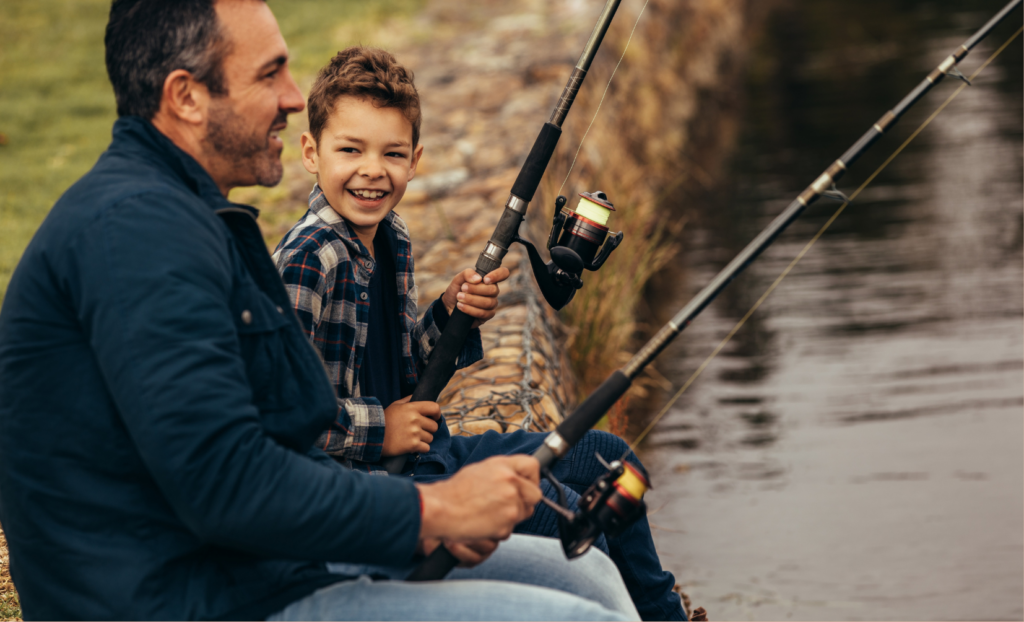
There is something special about spending time outdoors with a fishing rod in hand. The gentle sound of water, the fresh air and the quiet anticipation of a bite create a relaxing escape that many people in the UK are discovering for the first time. If you have never held a rod before, this guide explains how to start fishing in a clear and approachable way. You will gain the confidence to head out and enjoy the experience without feeling overwhelmed.
Understanding how to start fishing begins with realising that you do not need expensive equipment or years of experience. A basic setup and a few simple skills are enough to get you catching fish on your very first trips. This guide keeps everything straightforward so you can focus on the enjoyment and the connection with nature.
Why Fishing Appeals to So Many Beginners
Fishing combines gentle exercise, fresh air and the rewarding thrill of landing a fish. It offers a chance to slow down in a busy world and provides a satisfying sense of achievement. In the UK you can fish on local canals, rivers, lakes or even from the coast, making it accessible no matter where you live. Learning how to start fishing opens up these opportunities in an affordable and inclusive way that suits individuals, families or friends.
Core Principles for Successful Fishing
These guiding ideas will help you master how to start fishing with calm confidence:
- Patience remains essential. Fish do not always bite immediately, so relax and enjoy the surroundings while you wait.
- Simplicity works best. Begin with basic gear and techniques before adding complexity.
- Preparation makes a difference. Check your equipment and the conditions before you leave home.
- Respect for the environment and the fish keeps the activity sustainable and enjoyable for everyone.
- Observation improves results. Watch the water and adjust your approach based on what you see.
Choosing Your Equipment
Selecting suitable gear forms an important part when starting fishing. Here is everything you need to get started as a beginner:
- A ready-made rod and reel combination measuring between six and eight feet – ideal for most freshwater venues.
- Monofilament line with a breaking strain of six to ten pounds.
- A selection of hooks sized between eight and twelve.
- Split shot weights and a simple float.
- Popular baits such as maggots, sweetcorn, bread or worms (all easily available at tackle shops or supermarkets).
- A landing net.
- An unhooking tool (pliers work well).
- A small tackle box to keep everything organised.
- A comfortable seat or stool.
- Most importantly, a valid rod fishing licence from the Environment Agency (for England and Wales) or the equivalent authority in Scotland or Northern Ireland. Licences are quick to buy online and are required for anyone aged 13 or over.
Preparing Your Gear
Good preparation supports successful outings when you learn how to start fishing.
- Inspect your line for damage and tie a reliable knot such as the improved clinch.
- Attach your weights and hook, then test the reel to ensure the line runs smoothly.
- Keep live bait fresh in a suitable container.
- Pack spare items including extra hooks, line cutters and pliers.
- A short practice session in your garden helps you become familiar with the rod and reel before you reach the water.
Step-by-Step Guide on How to Start Fishing
Follow these steps to build your skills:
- Hold the rod with your dominant hand on the handle and the other supporting the reel.
- Open the bail arm and secure the line with your finger.
- Swing the rod back smoothly over your shoulder, then bring it forward while releasing the line at the appropriate moment.
- Aim for a spot several metres out and allow the bait to settle.
- Close the bail arm and maintain gentle tension on the line.
- When you notice a bite, lift the rod tip to set the hook and reel in steadily while keeping control.
Popular Types of Fishing for Beginners
Several approachable styles exist once you know how to start fishing.
- Coarse fishing on stillwaters or canals targets species such as roach, perch and carp using float or feeder methods.
- Whip or pole fishing offers a simple and active way to fish close to the bank with minimal tackle.
- Sea fishing from beaches or piers requires slightly heavier gear but follows similar principles and can produce exciting catches on a rising tide.
- Many beginners begin with a commercial fishery where fish are plentiful and facilities are good.
Safety and Responsible Practices
Responsible habits ensure that every trip stays safe and enjoyable:
- Inform someone of your location and expected return time.
- Check weather forecasts and wear appropriate clothing and footwear.
- Use a life jacket near deeper or moving water.
- Take all litter home and avoid disturbing wildlife or vegetation.
- Follow size and bag limits and practise catch and release where appropriate.
- Clean and dry your equipment after use to extend its life.
Extra Tips for Success
These practical suggestions will help you improve quickly:
- Arrive early in the morning or during late afternoon when fish often feed more actively.
- Introduce a small amount of groundbait to attract fish without overfeeding them.
- Study the water for signs of activity such as rising fish or surface ripples.
- Keep notes of what works on each trip so you can refine your approach.
- Consider joining a local angling club for advice and access to good venues.
- Combine your session with a picnic or family walk to make the day even more memorable.
Conclusion
Mastering how to start fishing brings a rewarding outdoor activity within easy reach. With basic gear, a valid licence and a willingness to learn, you can enjoy peaceful hours by the water and the excitement of your first catches. Many people find that fishing becomes a regular part of their lives because of the calm and satisfaction it provides. Which type of fishing appeals to you most? Share your first experiences or any questions in the comments below. We hope this guide helps you enjoy many successful and relaxing days on the water.
FAQ Section About How to Start Fishing
Q: Do I need a licence when fishing in the UK?
A: Yes, anyone aged 13 or over requires a rod fishing licence in England and Wales. Junior licences for 13 to 16 year olds are free, and you can buy them quickly online.
Q: What is the easiest method when you first learn how to start fishing?
A: Float fishing or whip fishing is often recommended for beginners because the equipment is simple and the visual bite indication keeps things engaging.
Q: Where can I go fishing as a complete beginner?
A: Local commercial fisheries, canals managed by the Canal and River Trust or well-stocked lakes offer good starting points with facilities and plenty of fish.
Q: How much does basic equipment cost when you learn how to start fishing?
A: A starter rod and reel combo plus essentials can be found for under fifty pounds, making it an affordable hobby to begin.
Q: Is it normal to catch nothing on your first attempts at fishing?
A: Yes, it can take a little time to find the right spot and bait. Stay patient, observe and make small adjustments each time.