
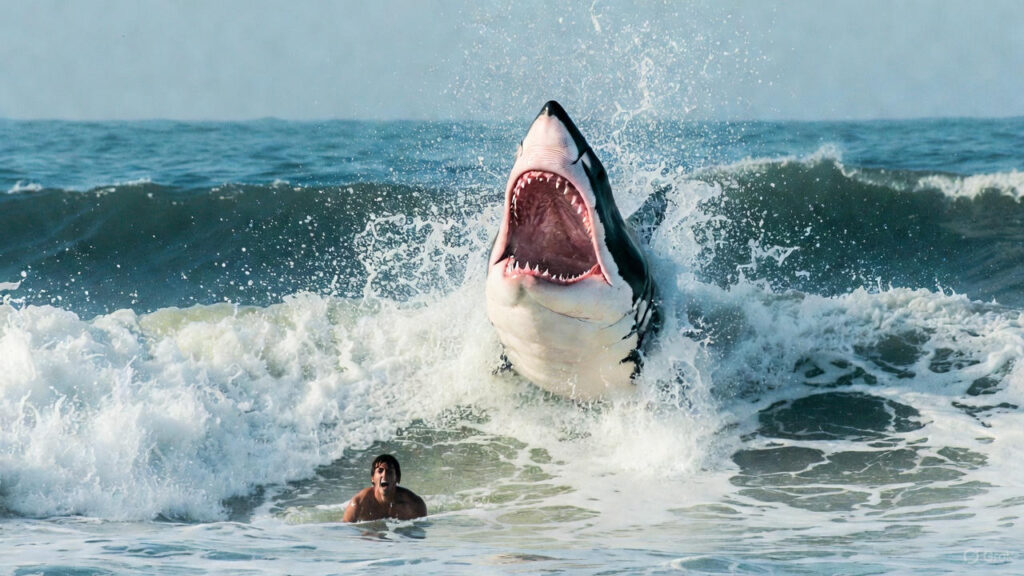
Learn how to survive a shark attack with these 7 life-saving do’s and don’ts. Stay calm, avoid panic and escape danger with expert advice for swimmers and surfers.
How to Survive a Shark Attack:7 Life-Saving Do’s and Don’ts to Stay Calm and Escape Danger
Shark attacks are extremely rare – you’re more likely to be struck by lightning – but knowing how to respond can be lifesaving. Most attacks are cases of mistaken identity (surfers resembling seals) or curiosity, not predation. Survivors emphasize staying calm and fighting back strategically.
This guide shares 7 powerful life-saving do’s and don’ts to survive a shark encounter. From prevention to in-water response, these tips come from marine experts (International Shark Attack File, NOAA) and survivor stories.
Stay safe in the ocean!
Understanding Shark Behavior
Sharks don’t target humans as food – attacks are usually “hit and run.”
- Great whites: Curious, powerful bites
- Bull sharks: Aggressive in murky water
- Tiger sharks: Opportunistic
Most victims survive with proper response.
Do #1: Prevent Attacks Before They Happen
Do: Swim in groups, avoid dawn/dusk, stay near shore, skip shiny jewelry (resembles fish scales).
Why: Sharks prefer solitary prey; groups deter.
Don’t: Swim with open wounds or in known shark areas alone.
Prevention is 99% of safety.
Do #2: Stay Calm If You See a Shark
Do: Maintain eye contact, back away slowly, appear large (arms out).
Why: Panic thrashing mimics injured prey.
Don’t: Turn back or swim away frantically – Triggers chase.
Calm presence often ends encounter.
Do #3: Fight Back Aggressively If Attacked
Do: Target sensitive areas – Eyes, nose, gills. Punch, gouge, use any object (board, camera).
Why: Sharks expect easy prey; resistance causes release.
Don’t: Play dead – Unlike bears, ineffective vs sharks.
Survivors who fought escaped.
Do #4: Protect Vital Areas
Do: Curl into ball if on bottom, shield torso/neck.
Why: Most bites limbs – Protect arteries.
Don’t: Curl fetal exposing back – Harder to fight.
Do #5: Get Out of Water Quickly but Calmly
Do: Swim steadily to shore/boat once shark leaves.
Why: Reduces blood loss, secondary attacks.
Don’t: Panic splash – Attracts return.
Apply pressure to wounds immediately.
Don’t #1: Urinate or Bleed Freely
Do: Control bleeding with pressure.
Don’t: Urinate (myth attracts) or thrash.
Blood attracts, but controlled exit minimizes.
Don’t #2: Splash or Make Erratic Movements
Do: Smooth, deliberate strokes.
Don’t: Splash/kick wildly – Mimics distressed fish.
Stay composed throughout.
Additional Prevention Tips
- Avoid murky water/fish schools
- No bright contrast clothing
- Remove shiny watches
- Follow local warnings
What to Do After an Attack
- Seek immediate medical help
- Report to authorities (helps research)
- Treat for shock
- Professional wound care
Frequently Asked Questions (FAQ)
Q: Most dangerous sharks?
A: Great white, bull, tiger – But any can bite.
Q: Play dead?
A: No – Fight back.
Q: Shark repellent effective?
A: Mixed – Magnetic/chemical some promise.
Q: Surfing risk higher?
A: Yes – Silhouette resembles seal.
Q: Fatalities rare?
A: Yes – ~10 globally/year.
Final Thoughts
Surviving a shark attack relies on prevention and calm, aggressive response when needed. These do’s and don’ts empower you to handle rare encounters safely.
The ocean is sharks’ home – respect it, prepare properly and enjoy swimming confidently.
By focusing on prevention (swimming in groups, avoiding risky times), staying composed under pressure, and responding aggressively when needed, you dramatically increase your safety. Knowledge dispels panic: fighting back at sensitive areas like eyes and gills often ends the encounter quickly, while thrashing or fleeing worsens it.
Whether you’re a casual beachgoer, avid swimmer or passionate surfer, these strategies let you enjoy the water with confidence. Respect the sea, prepare wisely and embrace its beauty without unnecessary worry.
The vast majority of ocean days are peaceful and exhilarating – armed with these tips, yours will be too. Stay vigilant, stay safe, and keep exploring the waves! 🦈🌊