Learn safe and effective ways on how to treat sinus headache with home remedies, hydration, steam inhalation, nasal irrigation, pain relief options, and when to see a doctor. This friendly guide helps relieve facial pressure, congestion and pain quickly so you can feel better fast.
How to Treat Sinus Headache
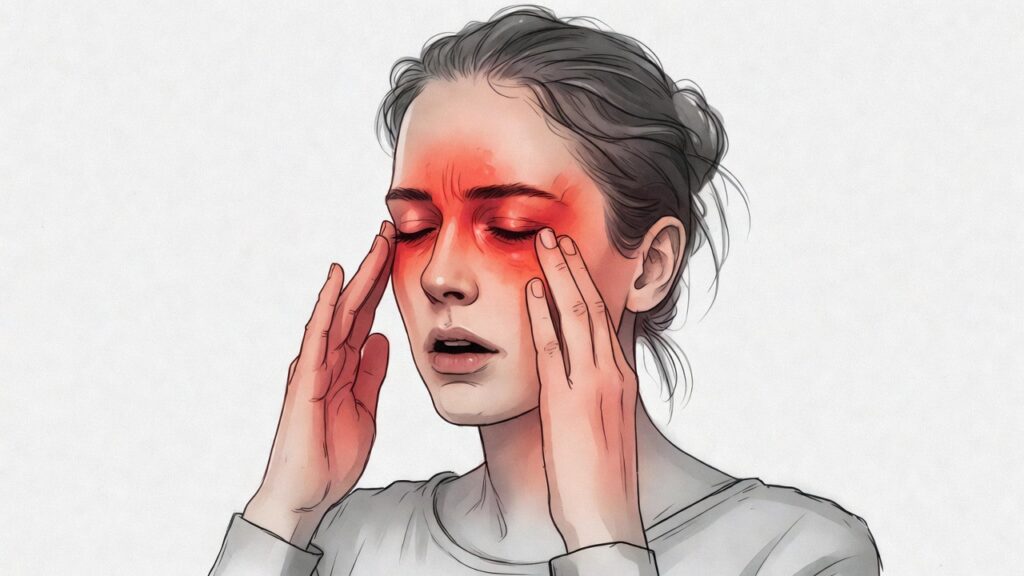
Sinus headaches can arrive with unwelcome intensity, bringing throbbing pain across the forehead, cheeks and around the eyes, often accompanied by nasal congestion, tenderness and a general feeling of heaviness. While they are frequently linked to sinus inflammation or infection, knowing how to treat sinus headache promptly can bring significant relief and help you return to your day with greater comfort. This guide offers clear, evidence-informed steps and gentle home strategies suitable for most adults. We focus on safe, practical measures you can start immediately while emphasising when professional medical advice is needed. Always consult your GP or pharmacist if symptoms are severe, persistent or accompanied by high fever, vision changes or neck stiffness.
Why Sinus Headaches Occur
Understanding the cause helps when learning how to treat sinus headache. These headaches typically arise from inflammation or congestion in the sinus cavities (air-filled spaces behind the forehead, cheeks and eyes). Common triggers include colds, allergies, hay fever, changes in air pressure, dry air, or a bacterial or viral infection. Swollen sinus linings block drainage, creating pressure that refers pain to the head and face. Unlike tension headaches or migraines, sinus headaches usually worsen when bending forward or lying down and improve when upright. Recognising these patterns is an important first step in learning how to treat sinus headache effectively.
Immediate Relief Techniques
When a sinus headache strikes, quick action can make a noticeable difference. Here are proven methods to try first:
- Apply Warm or Cool Compresses: Place a warm, damp cloth over your sinuses (forehead, cheeks and nose bridge) for 10–15 minutes to encourage drainage and ease pressure. If warmth worsens pain, switch to a cool compress to reduce inflammation.
- Use Steam Inhalation: Sit comfortably with a towel over your head and breathe deeply over a bowl of hot (not boiling) water for 5–10 minutes. Adding a few drops of eucalyptus or menthol can enhance the decongestant effect.
- Perform Nasal Irrigation: Use a neti pot, squeeze bottle or saline spray with sterile or boiled-then-cooled water mixed with a pre-measured saline packet. Gently flush one nostril at a time while tilting your head. This clears mucus and allergens, often providing fast relief.
- Stay Hydrated: Drink plenty of water, herbal teas or clear broths to thin mucus and support sinus drainage. Aim for at least 2 litres daily unless advised otherwise by your doctor.
- Elevate Your Head: Sleep with an extra pillow or two to promote sinus drainage overnight and reduce morning pressure.
These simple measures often form the foundation for treating a sinus headache at home.
Supportive Measures and Lifestyle Adjustments
Beyond immediate relief, these habits help manage and shorten episodes:
- Over-the-Counter Options: Decongestants (pseudoephedrine or phenylephrine) reduce swelling; antihistamines help if allergies are involved; paracetamol or ibuprofen ease pain and inflammation. Follow packet instructions and check suitability with a pharmacist if you have high blood pressure or other conditions.
- Humidify the Air: Use a cool-mist humidifier in your bedroom to prevent dry air from irritating sinuses. Clean it regularly to avoid mould.
- Avoid Known Triggers: Reduce exposure to cigarette smoke, strong perfumes, chlorinated pools and sudden temperature changes.
- Gentle Facial Massage: Use your fingertips to apply light circular pressure over the sinus areas (forehead, beside the nose, under the eyes) to encourage drainage.
- Rest and Reduce Strain: Avoid bending forward or heavy lifting during an active episode.
Combining these approaches helps you manage and master how to treat sinus headache more effectively.
When to Seek Professional Help
While most sinus headaches improve with home care, certain signs warrant prompt medical attention:
- Symptoms lasting more than 10 days
- Severe pain not relieved by over-the-counter remedies
- High fever (above 38.5 °C)
- Green or yellow nasal discharge with facial swelling
- Vision changes, stiff neck, confusion or severe vomiting
- Recurrent headaches despite prevention efforts
Your GP may prescribe antibiotics (if bacterial infection is suspected), stronger decongestants, nasal corticosteroids or referral to an ENT specialist. Knowing when home care is not enough is an important part of treating a sinus headache responsibly.
Additional Tips
Additional Tips
To make treating a sinus headache more effective, consider these suggestions:
- Keep a symptom diary noting triggers, duration and what helped to identify personal patterns.
- Rinse sinuses after exposure to allergens (pollen, dust, pets) to prevent build-up.
- Practise good hand hygiene to reduce viral infections that lead to sinus issues.
- Use saline nasal sprays throughout the day for ongoing moisture and clearance.
- Avoid flying or diving during active sinus symptoms if possible.
- Stay consistent with allergy medication if hay fever is a frequent trigger.
These small adjustments support long-term success when learning how to treat sinus headache.
Conclusion
Sinus headaches can feel miserable, but knowing how to treat sinus headache puts effective tools in your hands. Start with hydration, steam and gentle drainage techniques, add supportive habits, and seek help when needed. Most episodes respond well to these measures, helping you feel clearer and more comfortable sooner. You deserve relief, be patient with your body and celebrate the good days. Which remedy will you try first next time pressure builds? Share your experiences or questions in the comments below, we are here to help.
FAQ Section About How to Treat Sinus Headache
Q: How long does it take to feel better when learning how to treat sinus headache?
A: Many notice improvement within hours of steam, irrigation or compresses; full relief often occurs in 2–7 days.
Q: Can allergies cause sinus headaches and how do I treat them?
A: Yes, antihistamines and nasal corticosteroids are effective alongside the steps above.
Q: Is it safe to use decongestant sprays when figuring out how to treat sinus headache?
A: Limit to 3–5 days to avoid rebound congestion; saline sprays are safer for longer use.
Q: What is the difference between a sinus headache and a migraine?
A: Sinus headaches involve facial pressure and congestion; migraines are often throbbing, one-sided and include nausea or light sensitivity.
Q: When is sinus headache a sign of infection?
A: Persistent green/yellow discharge, fever and worsening pain after 7–10 days usually indicate bacterial sinusitis needing medical review.