Learn how to use hair oil the right way with 7 simple steps for smoother, shinier and stronger hair. Discover the best application techniques, ideal oils for different hair types, and common mistakes to avoid for beautiful results.
How to Use Hair Oil
If your hair feels dry, frizzy or lacks that lovely natural shine, adding hair oil to your routine can make a noticeable difference. Hair oils have been used for centuries across many cultures to nourish, protect and add gloss, and they remain one of the simplest yet most effective treatments today. Whether you prefer lightweight argan, rich coconut or nourishing jojoba, understanding how to use hair oil correctly ensures you get the benefits without greasiness or weighed-down strands. In this friendly guide we will walk you through everything you need to know so you can confidently incorporate hair oil and enjoy healthier, more manageable hair.
Why Learn How to Use Hair Oil?
Hair oil does far more than add shine. It seals the cuticle to lock in moisture, reduces breakage, tames frizz, protects against heat and environmental damage, and can even soothe a dry scalp. When applied properly, it restores softness and elasticity without leaving a heavy residue. Learning how to use hair oil lets you tailor the treatment to your hair type and concerns, whether you have fine, thick, curly, straight, coloured or damaged hair. The result is hair that feels smoother, looks glossier and handles daily styling with less effort.
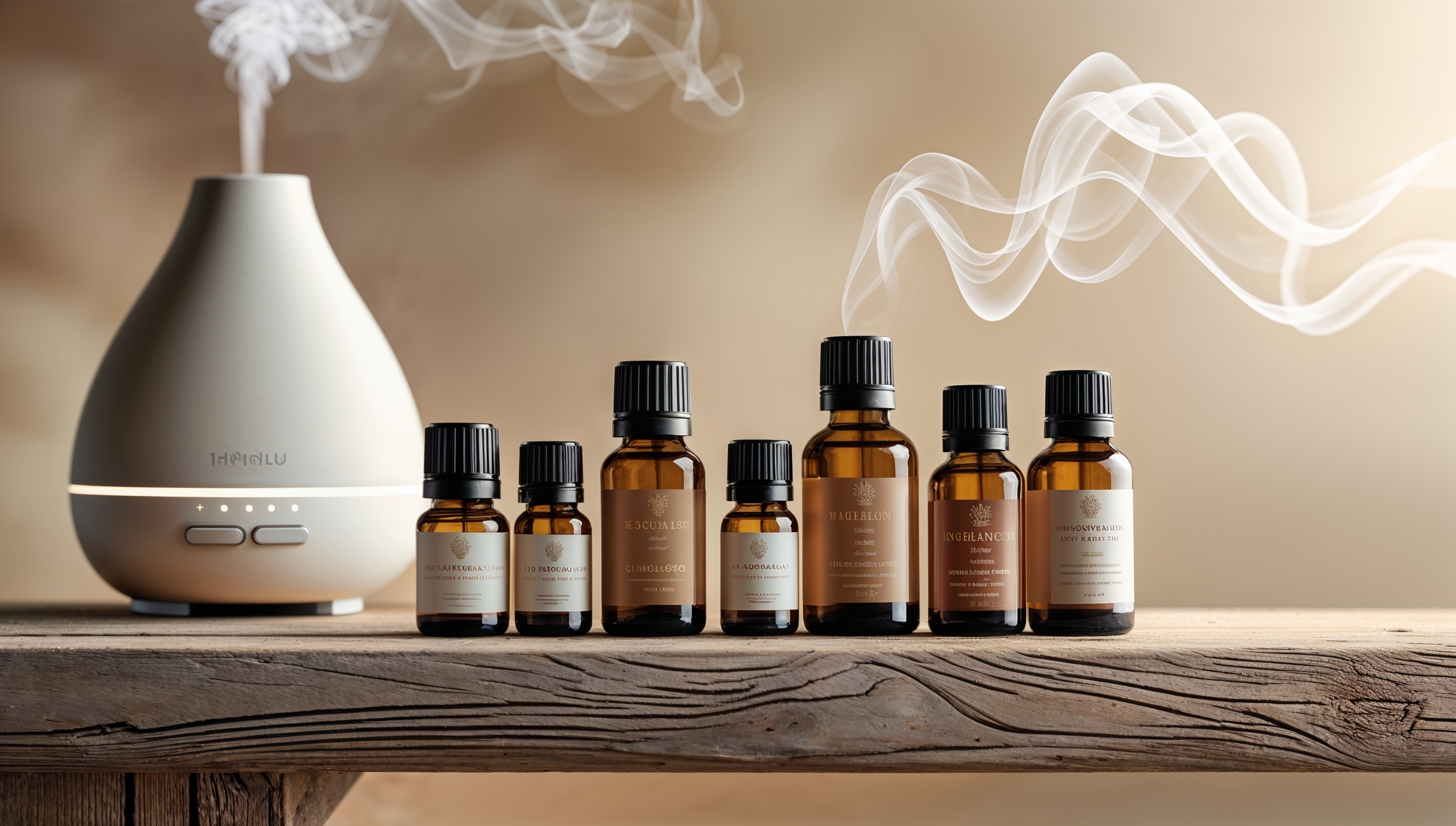
See how a few drops of the right oil can transform dull strands into silky, healthy-looking hair.
Choosing the Right Hair Oil
The key to success when learning how to use hair oil is selecting one that suits your hair’s needs and texture.
Here are some popular options:
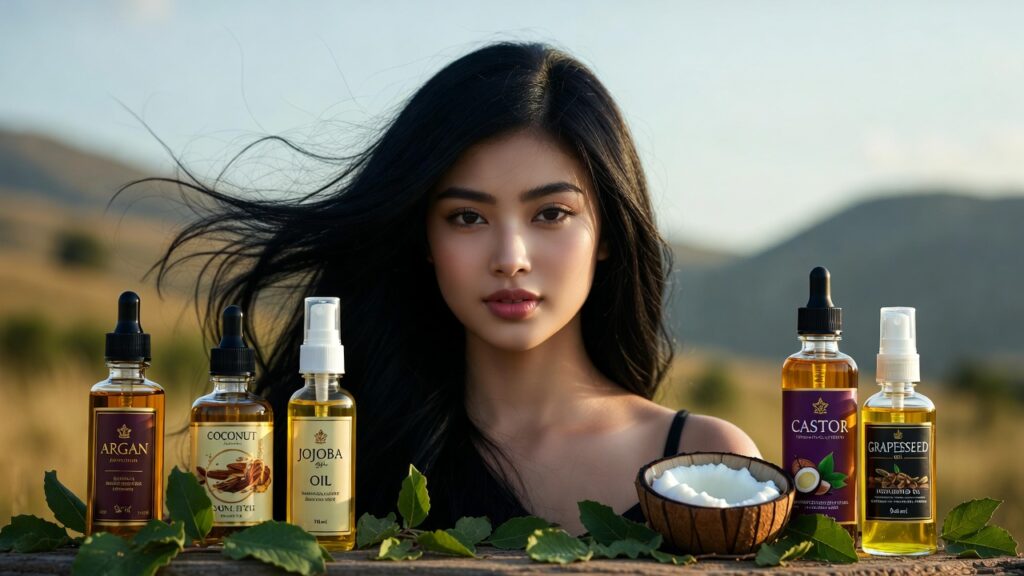
- Argan oil: Lightweight, excellent for fine or normal hair; adds shine without heaviness.
- Coconut oil: Deeply penetrating and nourishing; ideal for very dry or thick hair.
- Jojoba oil: Mimics natural sebum; great for oily scalps or balancing combination hair.
- Castor oil: Thick and rich; best for scalp treatment or encouraging growth.
- Grapeseed oil: Light and non-greasy; perfect for daily use or fine hair.
Choose cold-pressed, pure oils whenever possible and avoid those with added silicones if you prefer a natural finish. These choices set you up for success when figuring out how to use hair oil.
Explore these nourishing hair oils to find your perfect match.
Step-by-Step Instructions
- Start with Clean or Second-Day Hair: Apply to freshly washed, towel-dried hair for best absorption, or to second- or third-day hair if you want extra shine and control without washing.
- Warm a Small Amount in Your Palms: Dispense 2–6 drops (start small!) into your hands. Rub palms together to warm the oil, this helps it spread evenly and penetrate better.
- Apply from Mid-Lengths to Ends First: Focus on the lengths and ends where hair is driest and most prone to damage. Gently work the oil through using your fingers or a wide-tooth comb.
- Lightly Massage into the Scalp (Optional): If your scalp is dry or you want to encourage growth, massage a few drops into the roots. Skip this step if your scalp tends to get oily quickly.
- Distribute Evenly and Style: Run your fingers through to ensure even coverage. Style as usual, air dry, diffuse or use low-heat tools (always apply heat protectant first if using irons).
- Use as a Pre-Wash Treatment (Weekly): For deeper nourishment, apply generously to dry hair, cover with a shower cap and leave for 30 minutes to overnight before shampooing.
- Finish with a Tiny Amount for Shine: After styling, rub 1–2 drops between your palms and lightly smooth over the surface for extra gloss and frizz control.
These steps provide a clear path on how to fix damaged hair.
Additional Tips
- Always start with less oil than you think you need, you can always add more.
- Apply to damp hair for better absorption and less greasy feel.
- Use a small dropper bottle to control the amount and avoid waste.
- Store oils in a cool, dark place to preserve their quality.
- Combine with a silk pillowcase to reduce friction and maintain softness overnight.
- Avoid overuse on fine hair, a couple of drops usually suffice.
- Be patient; the best results from how to use hair oil appear after a few consistent weeks.
Conclusion
There you have it! Mastering how to use hair oil is one of the simplest ways to give your hair extra love, shine and strength. Start small, experiment with different oils and find what works best for your hair type and lifestyle. Your strands will thank you. Which oil are you planning to try first? Let me know in the comments below, I would love to hear!
FAQ
Q: How much hair oil should I use?
A: Start with 2–4 drops for short to medium hair and 4–6 for long or thick hair. Adjust based on how your hair responds.
Q: Can I use hair oil every day?
A: Yes, a tiny amount on the ends works well daily; save heavier applications for weekly treatments.
Q: Will hair oil make my hair greasy?
A: Not if you apply sparingly to mid-lengths and ends and choose an oil suited to your hair type.
Q: Is hair oil suitable for coloured hair?
A: Absolutely, many oils help seal the cuticle and protect colour from fading.