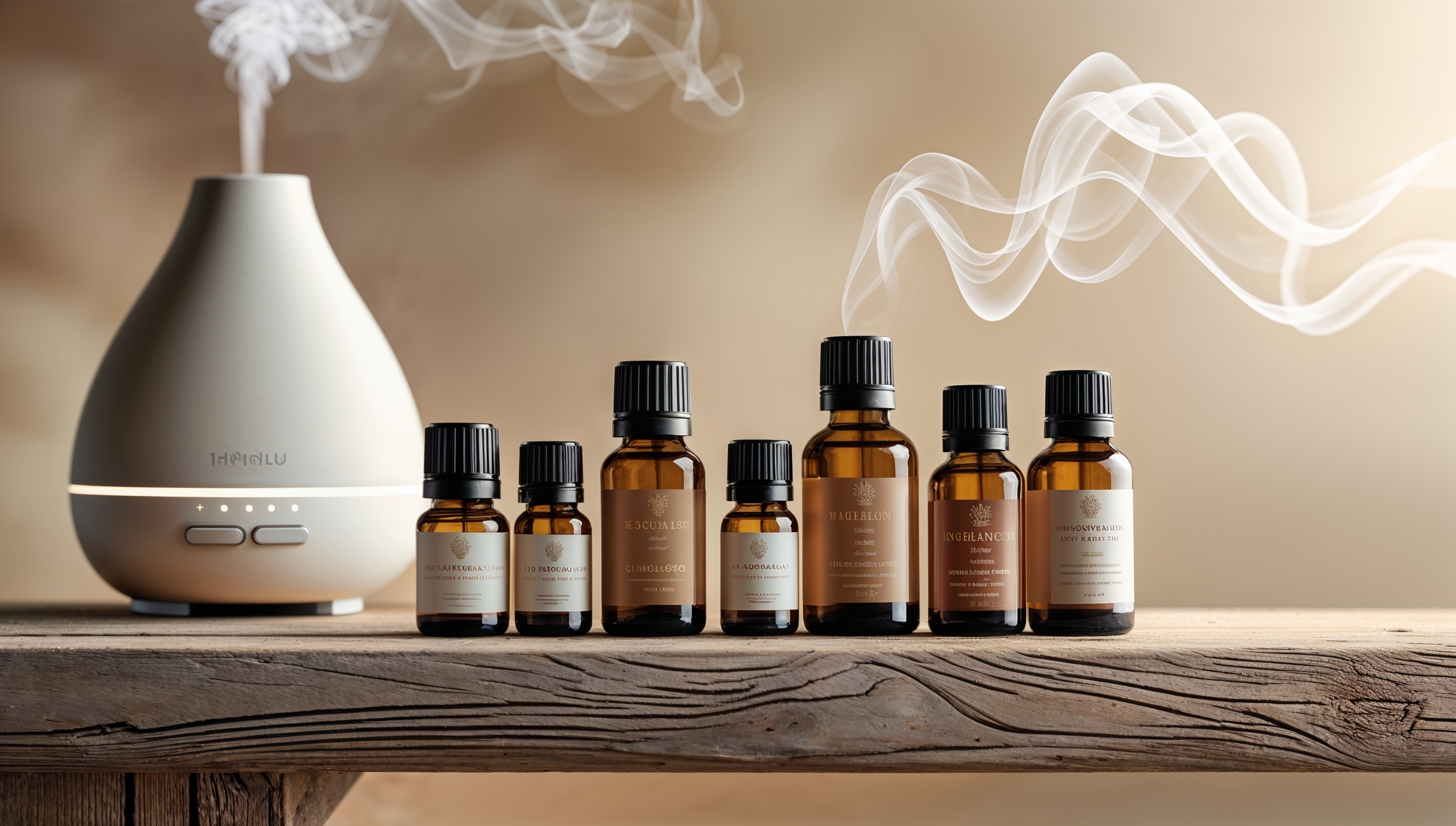

Discover practical ways on how to use magnesium for menopause symptoms to support better sleep, reduce anxiety, ease muscle tension, and promote overall wellbeing. This guide covers benefits, best types like glycinate, safe dosages, food sources, and tips for gentle incorporation during perimenopause and menopause.
How to Use Magnesium for Menopause Symptoms
Hello, lovely readers. Menopause brings many changes, from hot flushes to sleep disturbances, mood shifts, and muscle aches, but natural supports like magnesium can offer gentle assistance. Exploring how to use magnesium for menopause symptoms helps many women find greater comfort and balance during this transition. This guide provides friendly, evidence-informed advice on incorporating magnesium safely through diet and supplements. Whether aiming to improve rest, calm nerves, or support bone health, understanding how to use magnesium for menopause symptoms empowers positive steps. Always consult your healthcare provider before starting supplements, particularly if you have health conditions or take medications.
Why Learn How to Use Magnesium for Menopause Symptoms?
You may wonder about the value of how to use magnesium for menopause symptoms. Declining oestrogen can affect magnesium levels, contributing to issues like poor sleep, anxiety, low mood, and muscle cramps. Magnesium plays key roles in nerve function, muscle relaxation, hormone regulation, and bone strength. Research suggests it may ease sleep problems, reduce mild anxiety or depressive feelings, and support heart and bone health during menopause. Learning how to use magnesium for menopause symptoms offers a low-risk way to nurture wellbeing, often complementing lifestyle habits for noticeable improvements in energy and calm.
Common Benefits and Types
- Improved Sleep: Helps with relaxation and may reduce insomnia.
- Reduced Anxiety and Mood Support: Aids stress response and mood stability.
- Muscle Relaxation: Eases cramps, tension, and restless legs.
- Bone Health: Supports density to counter osteoporosis risk.
- Best Types:
- Magnesium Glycinate: Highly absorbable, gentle on the stomach, ideal for sleep and anxiety.
- Magnesium Citrate: Well-absorbed, may aid digestion if constipation occurs.
- Magnesium Oxide: Studied for hot flushes in some trials, though less bioavailable.
These options help tailor how to use magnesium for menopause symptoms to your needs.
Step-by-Step Instructions
- Consult a Healthcare Professional: Discuss symptoms and get advice on suitability, testing levels if needed, and avoiding interactions.
- Assess Dietary Intake First: Boost magnesium-rich foods like leafy greens, nuts (almonds), seeds (pumpkin), whole grains, dark chocolate, and legumes. Aim for food sources to build a foundation.
- Choose the Right Supplement Type: Select magnesium glycinate for calming effects or citrate if digestion support is needed. Start with a reputable brand tested for purity.
- Determine Appropriate Dosage: Women over 50 generally need around 320 mg daily total (food plus supplements). Supplements often range from 200-350 mg elemental magnesium; begin lower (100-200 mg) and increase gradually.
- Time Your Intake Wisely: Take in the evening for sleep benefits, with food to minimise stomach upset. Split doses if higher amounts are used.
- Monitor Your Response: Track sleep, mood, or other symptoms in a journal over 4-8 weeks. Adjust as needed with professional guidance.
- Combine with Supportive Habits: Pair with good sleep hygiene, stress reduction like gentle yoga, and consistent routines for amplified effects.
- Review Regularly: Reassess with your doctor periodically to ensure continued safety and benefit while practising how to use magnesium for menopause symptoms.
These steps promote steady, positive changes.
Additional Tips
To optimise how to use magnesium for menopause symptoms, try these suggestions:
- Start low to assess tolerance and avoid loose stools.
- Pair with vitamin D and calcium for bone support synergy.
- Stay hydrated, as magnesium draws water into the gut.
- Avoid taking with certain antibiotics or medications without advice.
- Consider topical forms like magnesium oil for muscle relief. Be patient; benefits often build gradually.
- Prioritise whole foods alongside any supplements.
Conclusion
Embracing how to use magnesium for menopause symptoms offers a nurturing way to support your body through this phase. With these gentle steps and tips, you can explore its potential for improved rest, mood, and comfort. Consistency and self-care make all the difference. Share your thoughts or experiences in the comments below.
FAQ Section
Q: What symptoms might improve while using magnesium for menopause symptoms?
A: Many report better sleep, reduced anxiety, calmer mood, and eased muscle tension.
Q: Which form is best when using magnesium for menopause symptoms?
A: Magnesium glycinate is often preferred for its absorption and calming properties.
Q: How much magnesium is safe daily?
A: Total intake around 320 mg for women over 50; supplements typically up to 350 mg, but consult a professional.
Q: Are there side effects?
A: Mild digestive upset possible; high doses may cause diarrhoea or nausea.
Q: Does using magnesium for menopause symptoms help hot flushes?
A: Evidence is mixed; some studies show limited benefit, others none.