
Dive into a fun, beginner-friendly guide on how to use oil painting techniques to create rich, luminous artworks. From alla prima wet-on-wet to glazing, impasto, and layering basics, this chatty walkthrough shares simple steps, handy tips, and everything you need to start painting with oils confidently and joyfully.
How to Use Oil Painting Techniques
Hey everyone, fancy giving oil painting a go? Oh, I bet you do! Oils are just magical, that buttery feel, those gorgeous rich colours, and the way they blend like a dream. If you’ve been eyeing those lovely tubes wondering where to begin, you’re in the right spot. Today we’re chatting all about how to use oil painting techniques so you can jump in without feeling overwhelmed. We’ll cover the basics, some classic methods like alla prima and glazing, plus loads of friendly tips to make your first paintings sparkle. Grab a cuppa, get comfy, and let’s explore how to use oil painting techniques together, promise it’ll be fun!
Why Learn How to Use Oil Painting Techniques?
Seriously, why bother with oils when acrylics dry so fast? Well, oils give you that luxurious blending time, no rushing! You can soften edges, create depth with glazing, build thick juicy texture with impasto, or go straight in with alla prima for loose, lively results. Learning how to use oil painting techniques lets you play with luminosity and subtle colour shifts that feel almost alive. Plus, there’s something so satisfying about watching layers develop over days or weeks. Once you get the hang of how to use oil painting techniques, you’ll wonder why you waited so long, it’s rewarding, relaxing, and the results can look incredibly professional even for beginners.
Essential Materials to Get Started
Before we dive into the fun stuff, let’s gather your kit. You don’t need everything fancy straight away:
- Oil Paints: Start with a small set, titanium white, ivory black, ultramarine blue, cadmium red, cadmium yellow, burnt umber, and maybe alizarin crimson.
- Brushes: A mix of flats, rounds, and filberts in sizes 2–12; synthetics work great.
- Canvas: Pre-stretched and primed, or canvas boards to keep it simple.
- Mediums: Linseed oil or alkyd medium to thin paint, plus a jar for cleaning (use odourless mineral spirits).
- Palette: Glass, wood, or disposable tear-off sheets.
- Extras: Easel, rags, palette knife for mixing (and impasto fun!).
With these basics you’re ready to explore how to use oil painting techniques right away.
Step-by-Step Instructions on How to Use Oil Painting Techniques
Right then, let’s get painting! Here’s a gentle step-by-step to try a simple landscape or still life using a few popular methods.
- Set Up and Sketch: Prime your canvas if needed, then lightly sketch your subject with thinned burnt umber or charcoal. Keep it loose!
- Try an Underpainting (Grisaille or Wash-In): Block in basic shapes with thin, warm greys or a single earth tone diluted with solvent. This sets values and structure, great foundation for later layers.
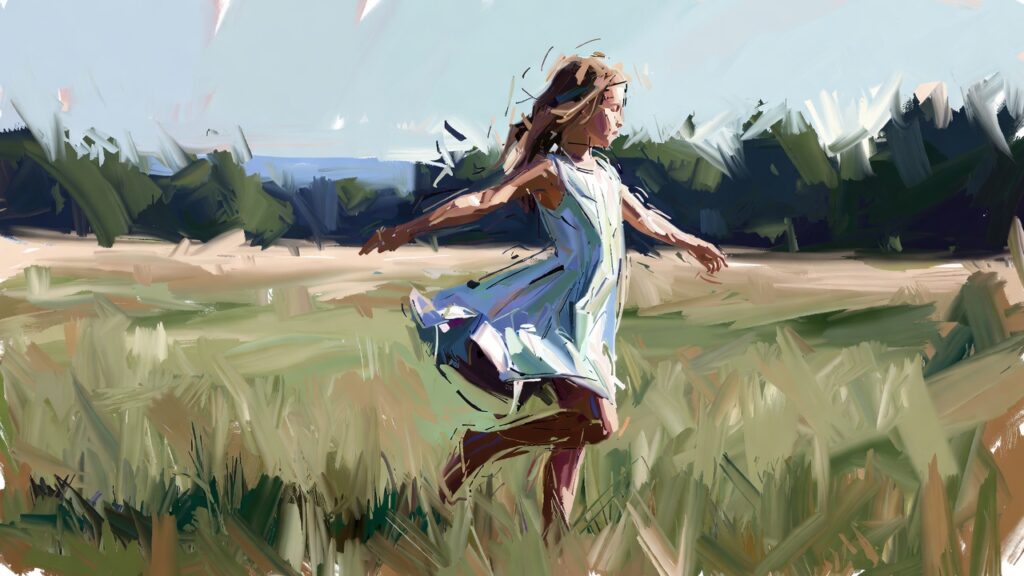
- Alla Prima (Wet-on-Wet): Jump in while everything’s wet! Mix colours on the palette, load your brush generously, and apply directly. Blend edges softly with a clean brush. Perfect for quick, vibrant skies or flowers.
- Layering (Fat over Lean): Let the underpainting dry, then add thicker layers. Follow “fat over lean”, first layers thin (more solvent), later ones richer (more oil/medium). Build depth gradually.
- Glazing for Glow: Once dry, brush on thin, transparent colour mixed with lots of medium. Glaze over dry areas to deepen shadows or warm highlights, think sunset skies or juicy fruit.
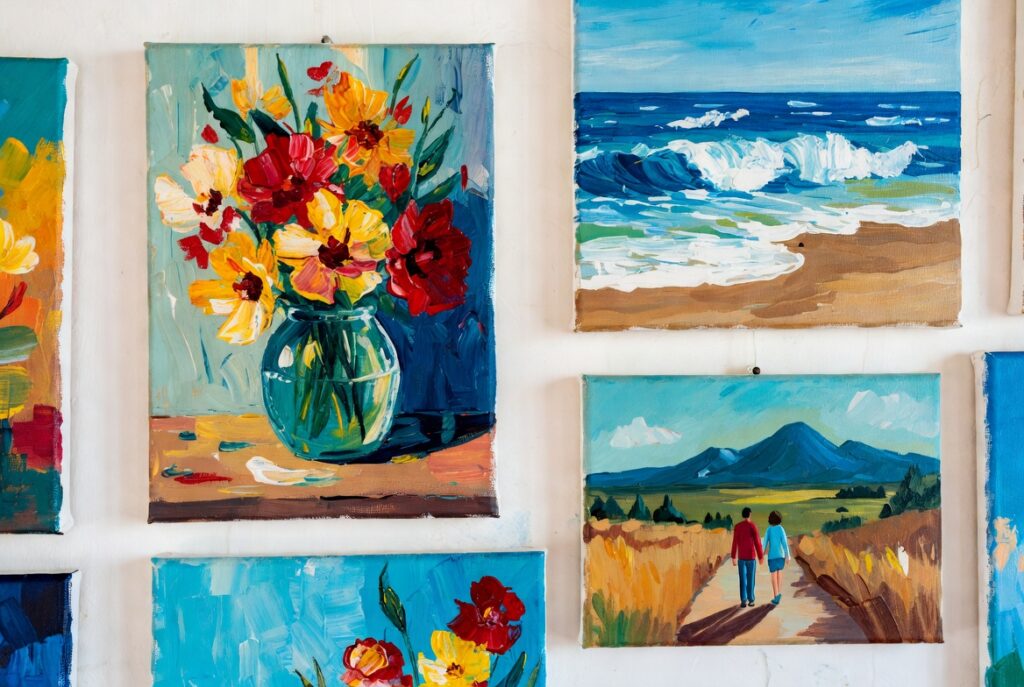
- Add Impasto for Texture: Squeeze thick paint straight from the tube or mix with impasto medium. Use a palette knife or stiff brush to create raised strokes, brilliant for tree bark, waves, or flower petals.
- Refine and Finish: Step back often! Soften edges, add highlights, and tweak colours. Let dry fully (days to weeks), then varnish for protection and pop.
Keep practising these and you’ll soon feel confident using oil painting techniques.
Additional Tips
Want your oils to shine even more? Here are some cheeky extras:
- Work fat over lean religiously to avoid cracking, thin early, rich later.
- Clean brushes straight away with solvent then soap, they’ll thank you!
- Use a stay-wet palette to keep mixes workable longer.
- Experiment in a sketchbook first, no pressure, just play.
- Don’t over-blend; let brushstrokes show character.
- Paint in natural light if you can, colours look truest.
- Have fun! Mistakes? Just another layer waiting to happen.
Conclusion
Whether you fancy dreamy alla prima sessions or patient glazing layers, oils reward every brushstroke. Grab your paints, have a play, and watch your confidence grow. What will you paint first? A sunny landscape, a cheeky still life, or something totally abstract? Pop your thoughts (or even a photo!) in the comments below. I’d love to cheer you on!
FAQ
Q: What’s the easiest way to start oil painting techniques?
A: Alla prima is super beginner-friendly, paint everything wet in one go!
Q: How long do oil paintings take to dry?
A: Thin layers dry in days; thick impasto can take weeks. Patience is key!
Q: Do I need toxic solvents?
A: Not necessarily, try odourless mineral spirits or even water-mixable oils.
Q: Can I mix techniques in one painting?
A: Absolutely! Underpaint thinly, then alla prima or glaze on top.
Q: How thick should impasto be?
A: As thick as you like, just make sure lower layers are dry if layering.