
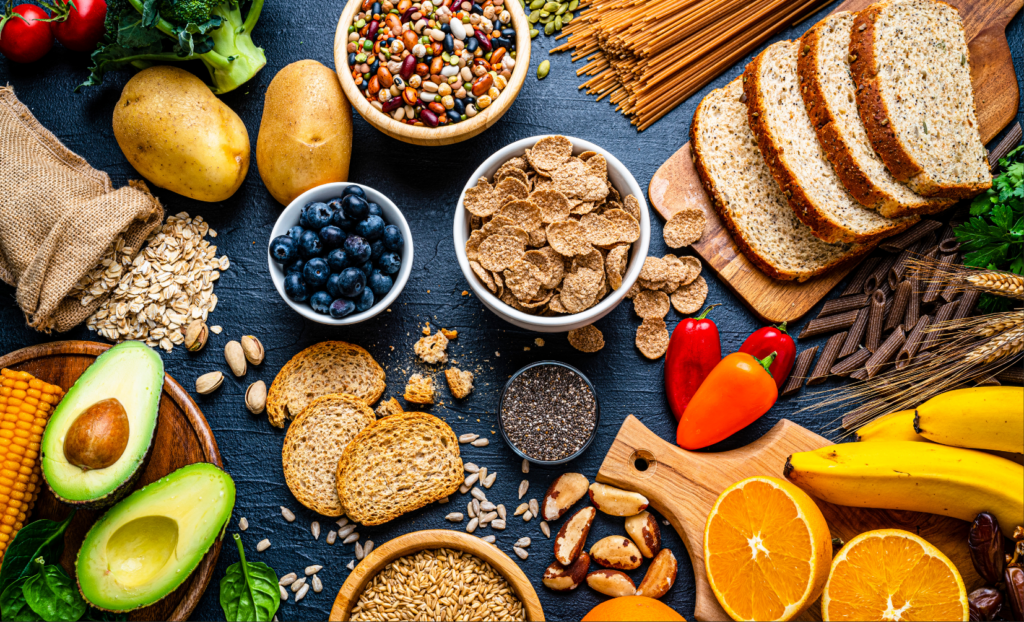
Learn how to increase fibre in your diet with this easy UK guide. Follow practical steps to swap daily foods, improve digestion, and boost gut health.
How to Increase Fibre in Your Diet
Getting enough roughage is crucial for digestive health, but knowing how to increase fibre in your diet without causing bloating or stomach discomfort can be tricky. Most adults in the UK get only around 20g of fibre a day, well below the recommended daily target of 30g. A low-fibre diet can lead to sluggish digestion, irregular bowel movements, and higher long-term health risks.
Fibre supports healthy gut bacteria, helps maintain stable blood sugar levels, and keeps you feeling full for longer. Fortunately, you don’t need to completely overhaul your meal plan overnight. By making gradual food swaps and adding whole, plant-based foods to your routine, you can easily reach your daily targets and will surely learn how to increase fibre in your diet. Here is a practical, step-by-step UK guide to boosting your intake.
1. Swap Refined Grains for Whole Grain Alternatives
Switching out processed white carbohydrates for whole grain versions is the easiest starting point when discovering how to increase fibre in your diet.
Upgrade your daily staples with these simple swaps:
- Choose whole grain bread: Swap white loaves for 100% wholemeal, seeded, or granary bread options.
- Switch rice and pasta: Use brown rice, wholewheat pasta, or grain blends like quinoa and bulgur wheat for dinner.
- Upgrade breakfast cereals: Replace sugary cereals with porridge oats, shredded wheat, or high-fibre bran flakes.
2. Keep the Skins on Fruits and Vegetables
A significant portion of a plant’s total fibre content resides directly in its outer skin or peel. Leaving the skin intact maximises nutritional value with zero extra effort.
Preserve natural plant goodness with these tips:
- Unpeeled potatoes: Leave the skins on when making mashed potatoes, jacket potatoes, or baked wedges.
- Snack on whole fruits: Eat apples, pears, and plums with the skin on rather than peeling them or drinking fruit juice.
- Scrub, don’t peel: Thoroughly wash root vegetables like carrots, parsnips, and sweet potatoes instead of scraping off the outer layer.
3. Add Beans, Lentils, and Pulses to Every Meal
Legumes are nutrient-dense powerhouse foods packed with soluble and insoluble fibre. Adding pulses to existing recipes is an effective strategy for how to increase fibre in your diet.
Incorporate pulses into your cooking with these ideas:
- Bulk up mince dishes: Replace half the beef mince in bolognese, chilli, or cottage pie with green lentils or kidney beans.
- Toss beans into salads: Add a tin of rinsed chickpeas, mixed beans, or butter beans to lunchtime salads.
- Blend into soups: Add red lentils or navy beans to homemade vegetable soups to create a thick, creamy texture.
4. Snack on Nuts, Seeds, and Dried Fruit
Replacing processed snacks like crisps and biscuits with a handful of seeds or nuts offers an immediate daily fibre boost.
Boost your daily snack intake with these options:
- Handful of nuts: Enjoy a small 30g portion of almonds, walnuts, or pistachios during afternoon breaks.
- Sprinkle seeds on meals: Add a tablespoon of chia seeds, ground flaxseeds, or sunflower seeds to porridge, yoghurt, or smoothies.
- Keep dried fruit handy: Dried figs, apricots, and prunes make convenient, high-fibre snacks when exploring how to increase fibre in your diet.
5. Increase Water Intake Alongside Fibre
As you boost your dietary fibre, you must drink more fluids. Dietary fibre acts like a sponge, absorbing water to move smoothly through your digestive tract.
Maintain digestive comfort with these habits:
- Drink 6 to 8 glasses of water: Make sure you drink plenty of fluids (water, herbal teas, or sugar-free squash) throughout the day.
- Prevent constipation: Increasing fibre without extra fluids can lead to bloating, gas, and hard stools.
- Pace yourself: Increase your daily intake gradually over two to three weeks to let your digestive system adapt.
Frequently Asked Questions: How to Increase Fibre in Your Diet
Here are everyday questions people ask about dietary fibre and digestion.
1. What is the difference between soluble and insoluble fibre?
Soluble fibre dissolves in water to form a gel-like substance that helps lower cholesterol and control blood sugar (found in oats, apples, and beans). Insoluble fibre attracts water into your stool, making it softer and easier to pass (found in whole wheat flour, nuts, and vegetable skins).
2. Can eating too much fibre too quickly cause side effects?
Yes. Increasing your intake too rapidly can cause abdominal bloating, flatulence, and stomach cramps. It is best to add your daily intake slowly while drinking plenty of water to give your gut microbiome time to adjust.
3. Are fibre supplements as good as getting fibre from food?
While supplements like psyllium husk can help manage constipation, whole foods are always better. Whole fruits, vegetables, grains, and pulses provide a combination of vitamins, minerals, antioxidants, and diverse fibre types that supplements cannot replicate.
Final Thoughts
Understanding how to increase fibre in your diet is one of the most effective ways to support long-term digestive health, manage energy levels, and lower your risk of chronic illness. By making simple whole grain swaps, keeping skins on produce, incorporating pulses into meals, and staying hydrated, you can easily hit your 30g daily goal.