
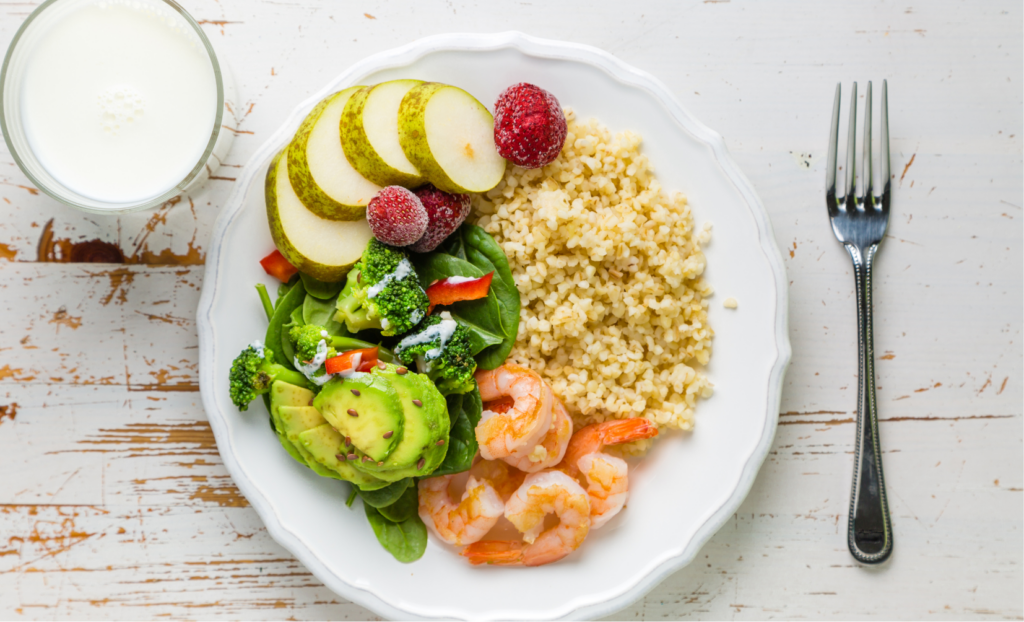
Want to eat a balanced, nutritious diet? Discover how to follow the Eatwell Guide with our simple UK step-by-step instructions, food group splits, and practical tips.
How to Follow the Eatwell Guide
Achieving a healthy diet does not have to mean buying exotic superfoods or following restrictive, expensive eating trends. In the UK, the government’s official healthy eating visual tool offers a brilliant, realistic standard to help us make nutritious choices every day. If you want to improve your everyday nutrition, learning how to follow the Eatwell Guide is one of the most effective and sustainable habits you can adopt.
This simple plate visual demonstrates exactly what proportions of different food groups you need to achieve a fully balanced diet. Whether you are cooking from scratch at home or grabbing a quick sandwich on your lunch break, understanding the basic rules of this model will simplify your meal planning. In this comprehensive guide, we will walk you through exactly how to follow the Eatwell Guide to support your long-term health and wellbeing.
Why This Nutritional Model Works for Everyone
The beauty of this framework lies in its absolute flexibility. Before exploring the specific steps, it helps to understand why learning how to follow the Eatwell Guide is so beneficial for the average UK household.
- It is not a restrictive diet: This framework does not ban any food groups, which makes it incredibly realistic to stick to over a lifetime.
- It is highly budget-friendly: By encouraging a focus on seasonal vegetables, tinned pulses, and starchy carbohydrates, it supports affordable meal preparation.
- It is backed by science: This model is designed by public health experts to ensure your body receives the correct balance of macronutrients and vitamins.
When you master how to follow the Eatwell Guide, you can confidently build meals that keep you feeling full, energised, and properly nourished.
5 Steps to Apply the Eatwell Guide to Your Daily Meals
Achieving a balanced plate is straightforward when you break your meals down by their respective food groups. Follow these steps to learn how to follow the Eatwell Guide with every meal you prepare:
1. Fill over a third of your plate with fruit and veg:
Aim to eat at least five portions of a variety of fruit and vegetables every day. This can include fresh, frozen, tinned, or dried options. A single portion is roughly eighty grams, which is about the size of an apple or three heaped tablespoons of peas.
2. Make starchy carbohydrates another third of your food:
Base your meals on starchy foods such as potatoes, bread, rice, or pasta. To follow the guidelines correctly, choose higher fibre, wholegrain versions where possible, such as brown rice, wholemeal bread, or keep the skins on your potatoes.
3. Include moderate amounts of dairy or dairy alternatives:
Add some milk, cheese, yoghurt, or calcium-fortified plant-based alternatives to your daily menu. Try to opt for lower-fat and lower-sugar options, such as semi-skimmed milk or plain Greek yoghurt, to keep your saturated fat intake low.
4. Add lean protein sources and pulses:
Incorporate protein into your meals by eating beans, pulses, fish, eggs, and lean meat. Pulses are excellent, low-fat, high-fibre alternatives to meat. Aim to eat two portions of fish each week, including one portion of oily fish like salmon or mackerel.
5. Use small amounts of unsaturated oils and spreads:
Keep your fat intake to a minimum, and always choose unsaturated options like olive oil, rapeseed oil, or vegetable oil spreads. Remember that all fats are high in energy, so they should be used sparingly in your cooking.
Practical Tips to Implement These Guidelines at the Supermarket
Understanding the theory is a great start, but knowing how to follow the Eatwell Guide while navigating the supermarket aisles is where the real change happens.
To make shopping easier, always check the front of pack nutrition labels on pre-packaged foods. These colour-coded traffic lights show you at a glance whether a food is high, medium, or low in fat, saturated fat, sugars, and salt. When you actively choose products with more greens and ambers and fewer reds, you are successfully practising how to follow the Eatwell Guide. Additionally, try to drink plenty of fluids, aiming for six to eight glasses of water, lower-fat milk, or sugar-free drinks daily.
Common Pitfalls to Guard Against
When learning how to follow the Eatwell Guide, it is easy to make simple errors that alter your nutritional balance. Keep these three points in mind:
- Drinking too much fruit juice: While 100 percent fruit juice and smoothies count toward your 5 A DAY, they contain free sugars. Limit your intake to a total of 150 millilitres per day.
- Forgetting hidden fats and sugars: Sauces, dressings, and ready meals often contain surprisingly high levels of salt and saturated fat. Always scan the label before buying.
- Skipping the wholegrains: White bread and refined pasta do not offer the same slow-release energy as wholegrains, which can lead to energy crashes later in the day.
If you keep these rules in mind, you will find that knowing how to follow the Eatwell Guide makes healthy living a highly achievable part of your daily routine.
Frequently Asked Questions
Does the Eatwell Guide apply to pregnant women?
Yes, the general principles of the model apply perfectly to pregnant women. However, you should consult your midwife or GP regarding specific dietary supplements, such as folic acid and vitamin D, and foods to avoid during pregnancy.
Is this guide suitable for young children?
The model does not apply to children under the age of two, as they have different nutritional and energy needs. Between the ages of two and five, children should gradually transition toward eating the food proportions outlined in the guide.
How can vegans learn how to follow the Eatwell Guide?
The guide is highly adaptable for plant-based diets. Vegans should focus on calcium-fortified dairy alternatives, obtain protein from beans, tofu, lentils, and chickpeas, and ensure they take a reliable vitamin B12 supplement.