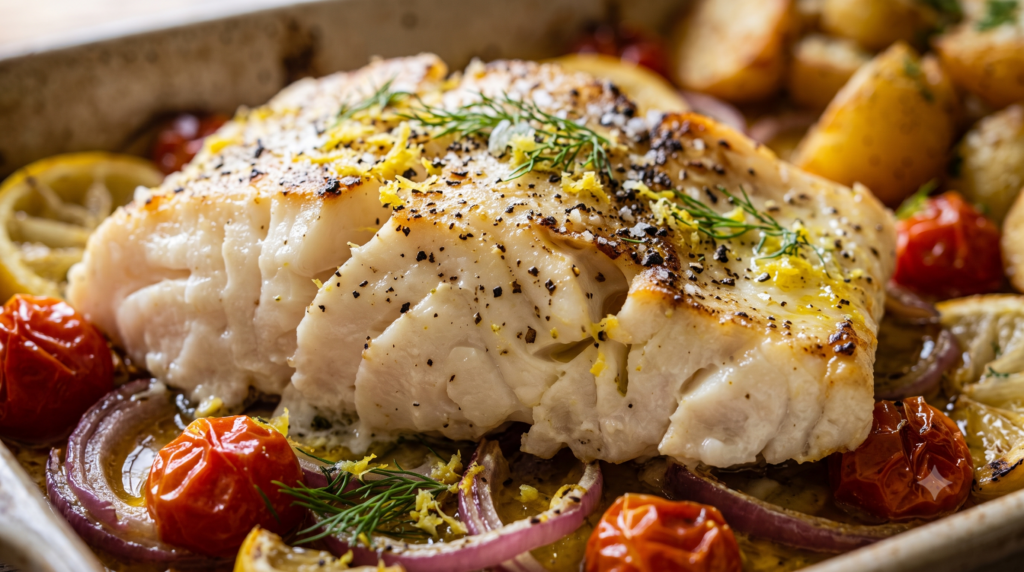
Say goodbye to soggy fish dinners! Discover how to bake cod without it going watery with our foolproof 8-step guide to perfect flaky fish.
How to Bake Cod Without It Going Watery
Nothing is more disappointing than lifting the foil on a fish dinner only to find your fillet swimming in a sad, grey puddle. Cod is a British classic loved for its thick flakes, but because it has a high water content, it easily releases a flood of moisture in the oven. If you have ever wondered how to bake cod without it going watery in your own kitchen, you are in exactly the right place.
In this friendly and practical guide, we are going to break down exactly how to bake cod without it going watery using simple, stress-free techniques. By following our easy steps, you will confidently master how to bake cod without it going watery ensuring your mid-week meals are completely unforgettable.
Ingredients and Tools You Will Need
Organising your station beforehand ensures a smooth process.
For the Perfect Baked Cod
- 4 Thick cod fillets (Freshly caught or fully defrosted).
- 2 Tablespoons coarse sea salt (The absolute secret to extracting excess moisture).
- 2 Tablespoons olive oil or melted butter (To seal the fish beautifully).
- 1 Lemon (Sliced into rounds for a fresh finish).
- Fresh herbs and cracked black pepper (To season the fish).
Essential Kitchen Tools
- A wire rack placed inside a baking tray
- Plenty of heavy-duty kitchen paper
- A shallow ovenproof baking dish
- A pastry brush
Why Does Cod Release So Much Liquid?
The real trouble with cod starts during the freezing and storage process.
As ice crystals expand, they break the delicate cell walls inside the flesh. When the meat later heats up, that trapped moisture escapes. This means mastering how to bake cod without it going watery relies heavily on drawing that surface liquid out first so the fish does not boil in its own juices. Knowing how to prepare your fish is all about smart moisture management.
How to Bake Cod Without It Going Watery in 8 Easy Steps
Here is your structured blueprint to achieving flaky perfection in your home kitchen.
- Defrost the Fillets Completely Overnight. If you are using frozen fish, never try to bake it from solid or rush it under a hot tap. Leave the fillets in the fridge overnight on a plate lined with kitchen paper to catch the drips. Ensuring your fish is fully thawed is the vital first step when exploring how to bake cod without it going watery successfully.
- Give the Fish a Quick Salt Cure. Place your defrosted fillets on a board, sprinkle coarse sea salt over both sides, and let them sit for fifteen minutes. This draws out excess moisture through osmosis.
- Rinse and Pat Thoroughly Dry. After fifteen minutes, rinse the fillets under cold water to remove the salt, then use plenty of kitchen paper to pat them completely dry, pressing down firmly.
- Bring the Meat up to Room Temperature. Let your dried fillets sit on the counter for ten minutes before cooking. Putting ice-cold fish into a hot oven causes it to squeeze out liquid, so managing this transition is vital as you discover how to bake cod without it going watery every time.
- Preheat Your Oven to a High Temperature. Turn your oven up to 200°C (Gas Mark 6). A hot oven cooks the fish rapidly, searing the outside and locking in the natural juices before they can leak out. Keeping the oven hot is the core skill of learning how to manage your oven temperature efficiently.
- Elevate the Fish on a Baking Rack. Place your fillets on a small wire rack set inside your baking tray. This allows any remaining juices to drip away from the meat rather than surrounding it, which is a top tip as you discover how to bake cod without it going watery safely.
- Seal the Fillets with Oil or Butter. Brush both sides with olive oil or melted butter, then season with pepper and herbs. This fat barrier acts like a protective shield, sealing the flakes. Knowing how to bake cod without it going watery with this technique will transform your dinners.
- Bake Fast and Do Not Overcook. Pop the tray into the oven for ten to twelve minutes depending on thickness. The fish is done the second it flakes easily with a fork. Now that you know how to bake cod without it going watery, serve it hot with a squeeze of fresh lemon juice!
Now that you have mastered this classic skill, you can confidently enjoy a perfect dinner without any soggy puddles. Managing your heat properly always yields the absolute best results. Happy cooking!
Frequently Asked Questions
Can I wrap the fillets in foil instead?
While wrapping fish in a parcel keeps it moist, it traps all the escaping steam. If you are researching how to prepare your seafood, it is much better to leave the fish uncovered on an elevated rack so the moisture evaporates.
Why did my fish still turn out completely dry?
If your fish lacks moisture but isn’t watery, it has likely been left in the oven for too long. Always check the thickest part of the fillet at the ten-minute mark.
Does this technique work for other white fish?
Yes, absolutely! You can apply these exact rules to haddock, pollock, or hake to enjoy perfect results across all your favourite seafood dishes.