
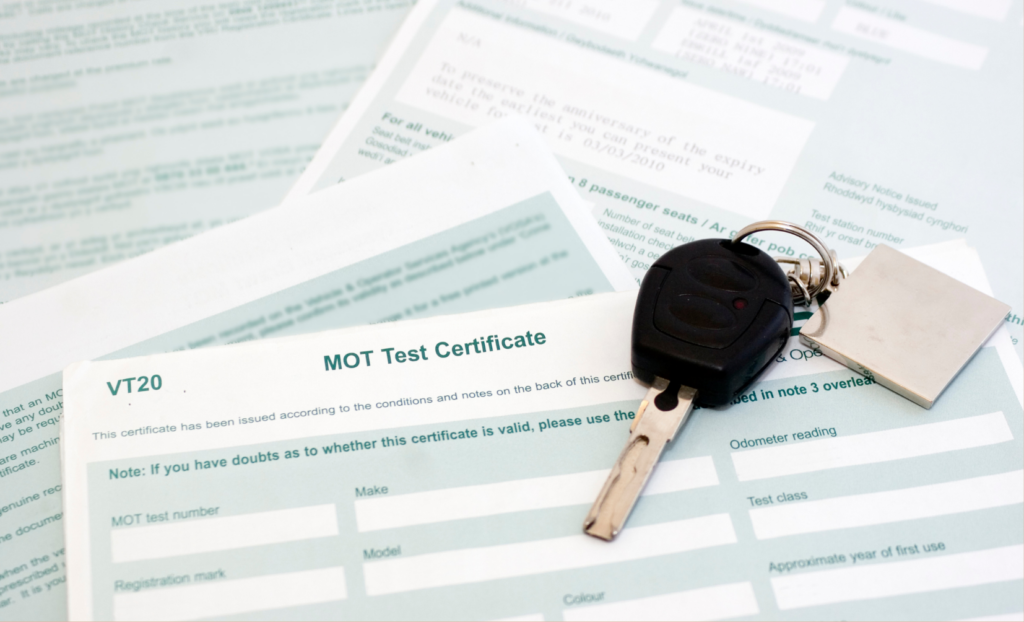
Learn how to check a car’s MOT history before buying with this easy step-by-step UK guide covering mileage, advisories, and hidden costs.
How to Check a Car’s MOT History Before Buying
Buying a used car is an exciting venture, but it can quickly turn into a costly headache if you end up with a vehicle hiding major mechanical defects. If you want to make a smart, confident purchase, knowing how to check a car’s MOT history before buying is one of the most vital tools in your car-buying toolkit.
In the UK, the government maintains a free, public database of every MOT test result recorded since 2005. Checking this record takes just a few minutes and reveals a vehicle’s true mileage, past mechanical failures, and safety advisories. This straightforward guide walks you through the entire process step-by-step so you can spot red flags before handing over your hard-earned money.
1. Locate the Vehicle Registration Number
Before starting your search, gathering the car’s basic details is your very first task when learning how to check a car’s MOT history before buying.
All you need to begin is one simple piece of information:
- Number plate: Find the car’s registration number (VRN) from the online advert, dealer listing, or directly off the vehicle.
- Double-check for typos: Ensure you have the exact letter and number sequence, as a single wrong character will pull up a completely different vehicle or return an error.
- Confirm make and model: Keep the advertised make, model, and colour in mind so you can verify that the government database matches the car in front of you.
2. Access the Official DVLA MOT History Service
Navigating to the correct website is an essential step when researching how to check a car’s MOT history before buying. Always use the official GOV.UK service to avoid paying third-party sites for completely free information.
Follow these simple steps to access the database:
- Visit GOV.UK: Open your browser and head directly to the official Check the MOT history of a vehicle page on the GOV.UK portal.
- Enter the registration: Type the car’s registration number into the search bar and press Continue.
- Verify vehicle details: Check that the make, colour, and fuel type displayed match the vehicle you are looking to purchase.
3. Verify the Mileage and Check for Mileage Rollback
Analysing the recorded mileage sequence is a critical milestone when discovering how to check a car’s MOT history before buying. This step helps you spot “clocking”, an illegal practice where the seller tampers with the odometer to lower the displayed mileage.
Review the mileage history using these simple checks:
- Check yearly increments: Look at the mileage recorded at each annual MOT test to confirm it increases steadily year over year.
- Spot sudden drops: If the mileage drops significantly between two MOT tests, the car may have been clocked or fitted with a replacement instrument cluster.
- Compare with the advert: Ensure the current mileage listed in the seller’s advert closely matches the last recorded MOT mileage.
Properly verifying mileage when mastering how to check a car’s MOT history before buying protects you from paying over the odds for a heavily worn vehicle.
4. Review Past MOT Failures and Causes
Understanding why a car failed past tests is a key technical aspect when researching how to check a car’s MOT history before buying. Frequent failures do not automatically mean a car is bad, but they do reveal how well the previous owner maintained it.
Examine past failure reports using these guidelines:
- Identify major defect categories: Look for recurring issues with critical components like brakes, suspension, steering, or structural corrosion.
- Check for dangerous defects: Take careful note of any “Dangerous” defects, which indicate the car was unsafe to drive on public roads until repaired.
- Evaluate owner care: A history filled with simple failures like worn wiper blades or blown lightbulbs often suggests an owner who neglected basic vehicle maintenance.
5. Pay Close Attention to Advisory Notes
Reviewing minor defects and advisories is where the real value lies when learning how to check a car’s MOT history before buying. Advisories are items that passed the test but will require repair or replacement in the near future.
Use advisories to calculate future maintenance costs:
- Watch for wearing parts: Look for repeated notices regarding thinning brake pads, worn tyre treads, or minor oil leaks.
- Check for rust and corrosion: Pay special attention to advisories mentioning “corrosion near structural mountings” or “underbody rust,” as bodywork repairs can be extremely expensive.
- Track unresolved issues: Check if an advisory noted on a previous test was fixed by the next annual test or if it has been ignored for several years.
6. Use Your Findings to Negotiate the Price
Putting your research into action is the final technical step when mastering how to check a car’s MOT history before buying. You can use the information from the MOT record to negotiate a better deal or walk away from a potential lemon.
Apply your findings with these practical negotiation steps:
- Calculate upcoming repair bills: Estimate the cost of fixing any active advisories, such as a new set of tyres or fresh brake discs.
- Ask the seller for receipts: Request invoices proving that recent advisories or failure points were repaired using quality parts.
- Adjust your offer: Ask the seller to knock the estimated repair costs off the asking price, or ask them to put a fresh 12-month MOT on the car before you complete the purchase.
Frequently Asked Questions
Car buyers frequently ask these practical questions when learning how to check a car’s MOT history before buying.
1. Is checking a car’s MOT history completely free?
Yes, the official GOV.UK MOT history service is 100% free to use for any vehicle registered in England, Scotland, or Wales.
2. What if a car has no MOT history listed online?
If a car is under three years old, it does not yet require an MOT test, so no history will exist. If the car is over three years old and has no records, it may be imported, registered under a private plate, or unrecorded.
3. Does an MOT check tell me if a car was written off or stolen?
No, an MOT history check only covers mechanical test results and mileage. To check if a car has been written off, stolen, or has outstanding finance, you must run a separate HPI or car history check.
Final Thoughts
Mastering how to check a car’s MOT history before buying gives you a massive advantage in the used car market. By verifying the mileage, reviewing past failure points, and calculating upcoming maintenance from advisory notes, you can steer clear of money pits and drive away with a safe, reliable vehicle.