
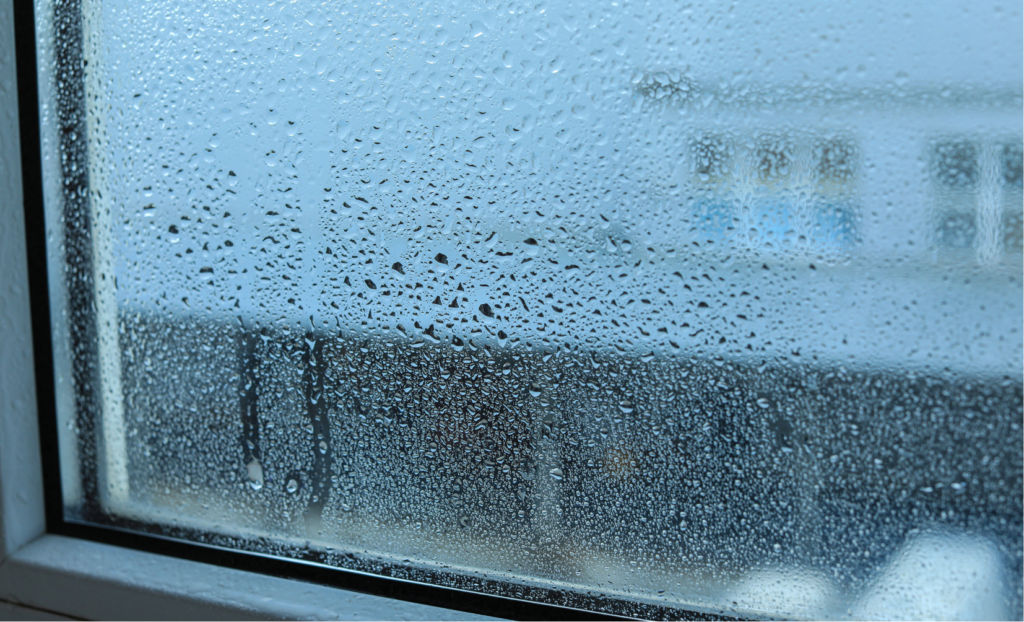
Say goodbye to damp frames and black mould! Discover how to stop condensation on inside of windows with our straightforward, friendly 8-step guide.
How to Stop Condensation on Inside of Windows
Waking up on a chilly morning to find a thick layer of moisture misting up your glass is an incredibly common frustration for homeowners across the UK. While it might seem like a minor annoyance, that pooling water can quickly cause peeling wallpaper, rotting wooden frames, and unhealthy black mould growth. If you have ever felt defeated wiping down your glass every single day and wondered how to stop condensation on inside of windows without investing thousands in new ventilation systems, you are in exactly the right place.
In this practical and friendly guide, we are going to break down exactly how to stop condensation on inside of windows using simple, lifestyle-based techniques. By following our easy steps, you will confidently master how to stop condensation on inside of windows ensuring your living spaces remain perfectly dry, healthy, and completely comfortable throughout the year.
Ingredients and Tools You Will Need
Tackling moisture problems requires a few simple household tools and a clear strategy to manage daily humidity.
For Excess Moisture Removal
- A window window vac or a microfibre squeegee (The absolute quickest way to remove standing water daily).
- Absorbent microfibre towels (Essential for wiping down damp sills and wooden frames).
- An anti-mould spray or diluted white vinegar (To safely clean away any early signs of black spores).
- Portable moisture absorber crystals (Great for small, unventilated rooms or window ledges).
Useful Lifestyle Adjustments
- A simple digital hygrometer (To monitor your indoor humidity levels accurately).
- Lids for all your cooking pots and pans
- A dedicated indoor clothes horse or a dehumidifier
Why Indoor Humidity Control Is Your Secret to Success
The secret to a damp-free home lies entirely in your patience and understanding of daily air management.
When you investigate how to stop condensation on inside of windows, jumping straight to expensive insulation upgrades without looking at lifestyle habits is a massive mistake. Condensation happens simply because warm, moist indoor air bumps into a freezing cold glass surface, turning instantly back into liquid water. If you leave moisture from cooking, showering, and drying clothes trapped inside your home, it has nowhere else to go. Mastering how to stop condensation on inside of windows relies heavily on lowering the overall humidity levels inside your property while keeping your home at a steady, balanced temperature.
How to Stop Condensation on Inside of Windows in 8 Steps
Here is your structured blueprint to achieving dry glass and a healthier home in your own time.
- Wipe Away Standing Water Daily. Start every morning by clearing away any pooled moisture using your window vacuum or a microfibre squeegee. Drying the glass immediately is the vital first step when exploring how to stop condensation on inside of windows successfully.
- Open Your Trickle Vents Permanently. Look at the very top of your uPVC window frames and ensure the small plastic slots are toggled to the open position. Leaving these vents open allows a constant, gentle exchange of air, which is essential to knowing how to manage indoor humidity.
- Utilise Your Extractor Fans Correctly. Always turn on your bathroom and kitchen extractor fans whenever you are showering or cooking on the hob, leaving them running for twenty minutes afterwards. Tracking your moisture at the source is a brilliant insider secret as you discover how to stop condensation on inside of windows before it spreads.
- Put Lids on Your Cooking Pots. Whenever you are boiling potatoes or simmering pasta, ensure you use tight-fitting lids on your saucepans. This simple habit cuts down the amount of water vapor released into your kitchen air, which is a core skill when mastering your household climate.
- Dry Your Laundry Smartly. Avoid draping wet clothes over warm radiators, as this forces litres of water straight into your rooms. If you must dry laundry indoors, place your clothes horse in a small room with the door closed and a dehumidifier running nearby. Knowing how to stop condensation on inside of windows during winter relies heavily on managing laundry day.
- Keep Furniture Away from External Walls. Move wardrobes, sofas, and heavy chests of drawers at least five centimetres away from the walls to allow air to circulate freely. Creating these open breathing spaces is a top tip as you discover how to stop condensation on inside of windows in cold bedrooms.
- Maintain a Steady Low Background Heat. Try to keep your central heating at a consistent, gentle temperature rather than letting the house freeze and then blasting the heat. A steady background temperature keeps the glass surface slightly warmer, which helps when researching how to stop condensation on inside of windows efficiently.
- Invest in a Small Dehumidifier. If you live in a particularly damp property, running a compressor or desiccant dehumidifier during peak morning and evening hours can work wonders. Now that you know how to stop condensation on inside of windows, keeping a close eye on your digital hygrometer will ensure absolute success!
Now that you have mastered these basic lifestyle adjustments, you can enjoy a bright, dry, and mould-free living environment. Managing your daily moisture levels properly always yields the absolute best results. Happy drying!
Frequently Asked Questions
Will double glazing stop condensation completely?
While double or triple glazing makes the internal glass surface significantly warmer, it will not completely fix the issue if indoor humidity levels remain exceptionally high.
Why is condensation worse in the mornings?
When you sleep, your breathing naturally releases a massive amount of water vapor into the air. With bedroom doors closed and the heating turned off overnight, that warm moisture searches for the coldest surface in the room, which is inevitably your window glass.