Worried about your plants? Discover how to treat vine weevil naturally in your garden with our 8-step guide. Let’s get those pesky grubs sorted today!
How to Treat Vine Weevil Safely
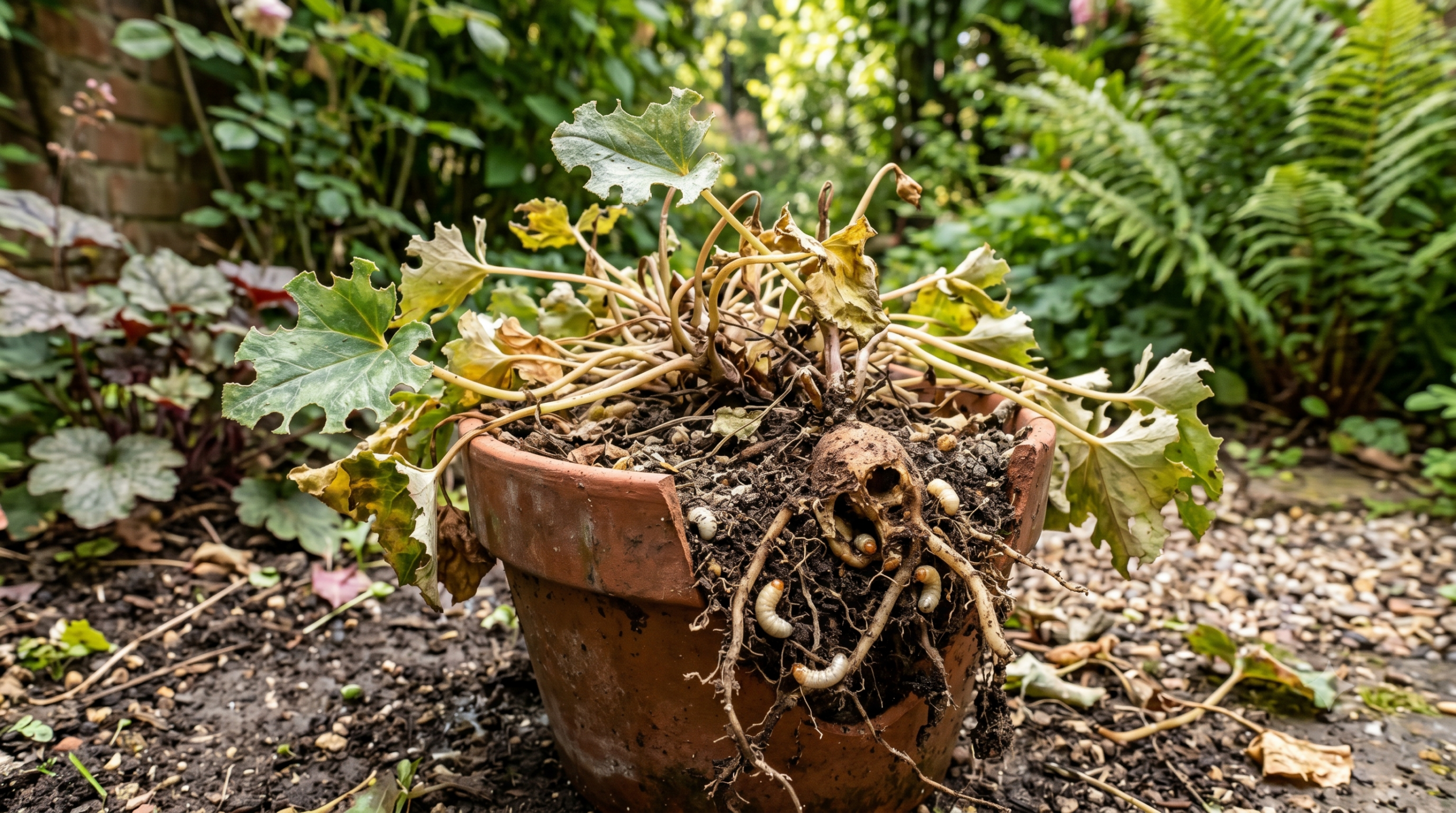
There is absolutely nothing worse than watching a plant you have lovingly nurtured suddenly look a bit sad, only for it to completely collapse when you give it a gentle tug. If this has happened to you, you might have just met the ultimate garden villain: the vine weevil. While the adult beetles love to spend their summer evenings nibbling neat little notches out of your plant leaves, it is their sneaky babies that do the real damage underground. These plump, white grubs hang out in the soil, quietly munching away at your plants’ roots until there is nothing left.
But don’t panic! You absolutely do not need to pour harsh chemical drenches all over your lovely garden to sort this out. Learning how to treat vine weevil can actually be a super satisfying and eco-friendly process once you know a few clever tricks.
In this friendly guide, we are going to walk through exactly how to treat vine weevil using completely natural methods that keep your garden safe for you, your pets, and the local wildlife. Let’s dive into these eight easy steps and get your pots back to their best!
Getting to Know Your Garden Guest
Before we get stuck into the eviction process, let’s talk about what we are actually looking for. The adult vine weevil is a rather slow-moving, dull black beetle about one centimetre long with a cute little snout. Don’t let that face fool you, though. Here is a wild fact: every single adult vine weevil is female, and they don’t need a mate to lay hundreds of eggs. Talk about girl power used for evil!
The real trouble starts when those eggs hatch into creamy white, C-shaped grubs with tiny brown heads. These hungry little larvae spend the autumn and winter eating your plant roots. The good news? Once you know the signs, learning how to treat vine weevil is much easier than you think.
How to Treat Vine Weevil in 8 Natural Steps
Grab a cuppa, put on your gardening gloves, and let’s get a plan together to clear these pests out of your garden for good.
1. Head Out for a Night-Time Beetle Hunt: The midnight safari.
Did you know that adult vine weevils can’t actually fly? Instead, they walk everywhere and only come out to eat after dark. Grab a torch a couple of hours after the sun goes down and check your favourite potted plants, especially things like fuchsias and begonias. Pop an upturned umbrella or a sheet of newspaper underneath the branches and give the plant a gentle shake. The beetles will drop right off, and you can easily collect them.
2. Evict the Grubs from Potted Soil: Getting your hands dirty.
If you have a potted plant that is looking a bit worse for wear, it is time for a proper check-up. Gently tip the plant out of its pot and give the root ball a soft shake. Look out for those distinct white, C-shaped grubs hiding in the compost. You can pick them out by hand to squash them, or leave them on a bird table for the local robins. Just make sure to throw the old soil away rather than putting it on your compost heap.
3. Use Brilliant Beneficial Nematodes: Nature’s little helpers.
If you are looking into how to treat vine weevil biologically, nematodes are your absolute best friends. These are microscopic, completely natural worms that you water into the soil, where they actively hunt down and destroy the grubs. They are totally safe for children, pets, and wildlife. Just mix the pack with water according to the instructions, pour it on with a watering can, and keep the soil nice and damp so they can swim around and do their job.
4. Get Your Nematode Timing Spot On: Timing is everything.
To get the absolute best results when figuring out how to treat vine weevil, you need to watch the weather. Nematodes need the soil to be a certain temperature to stay active. The perfect times to apply them are late spring and early autumn. Applying them in September is a fantastic trick because it catches the young grubs right after they hatch, stopping them before they can do any heavy winter damage.
5. Put Sticky Barriers on Your Pots: Stop them in their tracks.
Since the adult beetles have to walk everywhere, they have to climb up the sides of your pots to lay their eggs. You can easily outsmart them by applying a ring of sticky insect barrier glue right around the rim of your containers. If you don’t want to put glue directly on your nice pots, wrap a band of greaseproof tape around them first and coat that in the sticky stuff instead.
6. Mulch with Sharp Grit or Gravel: A prickly problem.
Adult beetles love soft, cosy, moist compost when they are looking for a place to drop their eggs. You can make your pots much less attractive by adding a thick layer of sharp horticultural grit or slate chippings to the top of the soil. The rough texture is really uncomfortable for the beetles, so they will usually wander off to find somewhere else to lay their eggs.
7. Welcome Natural Predators Along: Invite the garden squad.
Nature is brilliant at balancing itself out if we give it a little helping hand. Frogs, toads, hedgehogs, and birds absolutely love a vine weevil buffet. By putting in a small wildlife pond, leaving a little pile of logs in a quiet corner, or keeping your bird feeders topped up, you will invite plenty of hungry helpers who will gladly do the pest control work for you.
8. Check Over New Plant Purchases: Check before you plant.
The most common way these little hitchhikers get into a garden is inside pots bought from the garden centre. Before you plant a lovely new purchase into your borders or a bigger container, slide it out of its plastic pot and check the roots. Spending just two minutes looking for white grubs is an amazing habit to get into when learning how to treat vine weevil before it even becomes a problem.
Quick Reference Guide
| Strategy | How Fast It Works | Best Used For |
| Night Hunting | Right away | Catching adults before they lay eggs |
| Nematodes | About a week | Clearing out grubs in autumn soil |
| Sticky Barriers | Continuous | Protecting your absolute favourite pots |
| Grit Mulch | Long-term | Stopping beetles from using your compost |
Top Tip: If you are trying to figure out how to treat vine weevil on your indoor houseplants or inside a greenhouse, nematodes work brilliantly all year round because your indoor soil stays nice and warm!
And there we have it! Learning how to treat vine weevil without chemical sprays is completely doable with a little bit of know-how and some help from nature. By keeping an eye out for the beetles in summer and treating the soil with nematodes in autumn, you can easily break the cycle. Keep checking your pots, look after your garden wildlife, and enjoy watching your beautiful plants thrive!
Frequently Asked Questions
Which plants do they love the most?
They aren’t overly fussy, but they definitely have a few favourites! They absolutely adore container plants like fuchsias, begonias, cyclamen, and strawberries. You will also often find them targeting garden classics like heucheras, hydrangeas, and rhododendrons.
Can a plant actually recover if its roots have been nibbled?
It really comes down to how much root is left. If you catch it early and find only one or two grubs, give the roots a gentle wash, pop the plant into fresh compost, and keep it in a shady spot with plenty of water. It should bounce back! If the roots are completely gone, sadly, it is best to say goodbye and dispose of the plant.
How do I know if the nematodes have done the trick?
Because all the action happens underground, you won’t see it happening. You will know it has worked when your plants stop looking sad and start putting out lovely new growth. You will also notice far fewer nibbled leaves on your plants when the following summer rolls around.
Do I really need to treat my whole garden?
If you have found grubs in one container, it is highly likely the adult beetles have visited the pots next door too. When you are looking at how to treat vine weevil successfully, it is always a great idea to treat all the pots in that specific area at the same time just to be safe and stop them spreading.