Discover how to control aphids naturally in your garden with our complete 8-step guide. Learn easy, chemical-free methods to protect your plants today.
How to Control Aphids Without Chemicals
Few things are more frustrating for a passionate gardener than discovering a colony of tiny, sap-sucking pests clustered beneath the leaves of a prized rose bush or tomato plant. These miniature invaders are aphids, and if they are left unchecked, they can quickly weaken your favourite flora, distort growth, and spread plant viruses.
Fortunately, you do not need to reach for harsh synthetic chemicals to reclaim your green space. Learning how to control aphids can be a straightforward, highly rewarding process when you use eco-friendly techniques.
In this comprehensive guide, we will explore exactly how to control aphids using gentle, natural methods that protect your garden ecosystem. By following these eight simple steps, you can keep your plants thriving whilst maintaining a safe haven for beneficial wildlife.
Understanding Your Garden Adversary
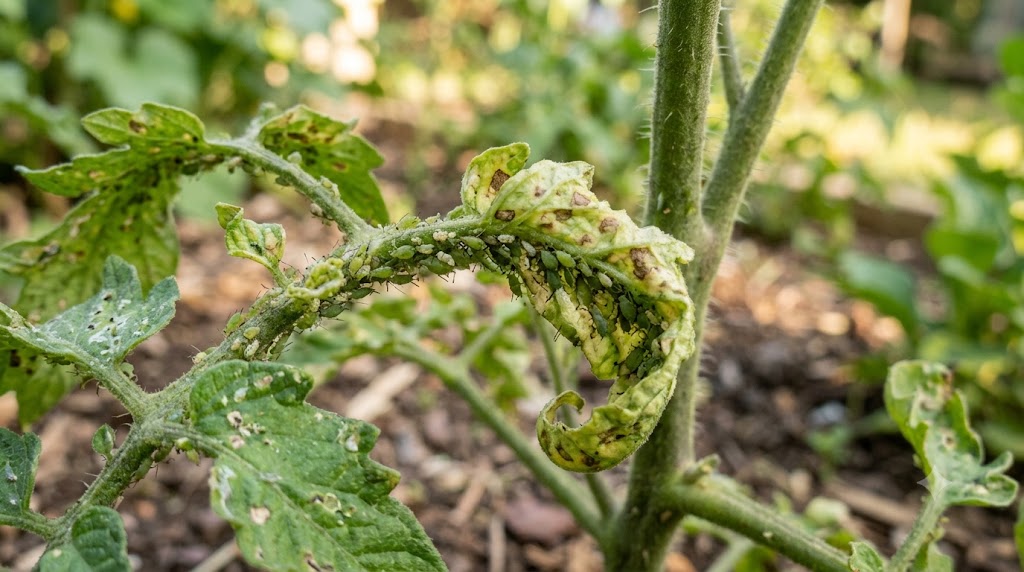
Before diving into eradication methods, it helps to understand what you are dealing with. Aphids are small, soft-bodied insects that multiply at an astonishing rate. They feed by piercing plant tissues to extract nutrient-rich sap.
As they feed, they excrete a sticky, sugary substance called honeydew. This residue not only attracts ants but also encourages the growth of black sooty mould, which blocks sunlight from reaching the leaves. If you catch the infestation early, mastering how to control aphids becomes significantly easier.
How to Control Aphids in 8 Natural Steps
Here is your structured blueprint to naturally eliminate these pests from your allotment or back garden.
1. Give Your Plants a Firm Blast with Water: Immediate relief.
The simplest first line of defence is a physical one. Take your garden hose and select a nozzle setting that provides a firm, steady stream of water. Spray the affected stems and the undersides of the leaves thoroughly. This physical force dislodges the pests, knocking them to the ground. Because they are slow-moving and fragile, most will be unable to find their way back up the plant before predators discover them.
2. Remove Them Manually by Hand: For minor infestations.
If you only notice a handful of pests on a single stem, put on a pair of gardening gloves and gently wipe them off. Alternatively, you can use a damp cloth or a piece of cotton wool dipped in water to brush them away. For heavily infested, isolated leaves, it is often best to snip the entire leaf off using sharp secateurs and drop it straight into a bucket of soapy water.
3. Apply a Homemade Horticultural Soap Spray: An easy DIY remedy.
You can create an incredibly effective pest control spray using everyday household items. Mix a few teaspoons of mild, liquid dish soap (ensure it is free from harsh perfumes or bleaches) with a litre of warm water in a clean spray bottle. Spritz this directly onto the insects. The soapy solution breaks down their protective waxy coating, causing them to dehydrate. Always test the spray on a single leaf first to ensure it does not scorch the plant tissue.
4. Deploy Organic Neem Oil: A brilliant natural deterrent.
Neem oil is a natural byproduct pressed from the seeds of the neem tree. It contains active compounds that interfere with the feeding and reproductive cycles of destructive insects. To use it, mix a teaspoon of organic neem oil with a few drops of liquid soap and warm water. Spray this mixture over the entire plant. It is an excellent choice for anyone researching how to control aphids over a longer period.
5. Introduce Beneficial Predators: Biological pest control.
Nature has its own highly efficient pest management system. Ladybirds, lacewings, and hoverfly larvae all have a voracious appetite for these sap-sucking insects. You can encourage these helpful predators into your garden by planting pollen-rich flowers like marigolds, fennel, and dill. Alternatively, you can purchase live ladybird larvae from reputable biological garden suppliers to release directly onto your troubled plants.
6. Implement Clever Companion Planting: Natural garden design.
Companion planting is a fantastic way to protect your vegetables and flowers. Some plants act as natural repellents due to their strong scents. Garlic, chives, and onions are brilliant choices because their pungent aroma masks the scent of vulnerable host plants. On the flip side, you can plant a “trap crop” like nasturtiums nearby. Nasturtiums are irresistible to pests, drawing them safely away from your prized vegetables.
7. Manage the Local Ant Populations: Disrupting the symbiotic bond.
If you see lines of ants marching up your plant stems, they are likely protecting the pests. Ants actively herd these sap-suckers to harvest their sweet honeydew, and they will fight off natural predators like ladybirds. To break up this partnership, apply a sticky, non-toxic barrier band around the base of tree trunks or woody stems. This prevents the ants from climbing up, leaving the sap-suckers vulnerable to natural predators.
8. Maintain Excellent Plant Health: Long-term prevention.
Healthy, vigorous plants are far less attractive to pests and are much better equipped to survive a minor infestation. Avoid over-fertilising your garden with high-nitrogen feeds, as this creates a flush of tender, succulent new growth that pests absolutely love. Instead, focus on feeding your soil with organic compost, watering deeply at the roots, and ensuring your plants receive the correct amount of sunlight.
Key Points to Remember
| Strategy | Speed of Results | Ideal Situation |
| Water Spray | Instantaneous | Initial discovery and quick cleanup |
| Soap Spray | A few hours | Moderate clusters on sturdy leaves |
| Predators | A few days | Widespread, ongoing garden management |
| Companion Planting | Seasonal | Preventative care for vegetable patches |
Top Tip: Always apply your soap or oil-based sprays in the late evening or during an overcast day. Applying these solutions under direct, bright sunlight can amplify the heat and severely scorch your plant’s foliage.
Knowing how to control aphids does not require chemical intervention. By combining physical removal, simple homemade sprays, and the help of beneficial garden wildlife, you can easily keep your plants safe and beautiful. Start with the gentlest method, monitor your garden regularly, and enjoy watching your outdoor space flourish naturally.
Frequently Asked Questions About How to Control Aphids
Here are answers to some common questions:
- What are the main signs of an infestation? The most common signs include curled, puckered, or yellowing leaves, stunted growth on new shoots, and a sticky residue on the foliage. If you look closely at the stems or the undersides of leaves, you will easily spot the clusters of tiny green, black, or pink insects themselves.
- Will vinegar kill these pests? Yes, vinegar can kill them on contact because of its high acidity, but it must be used with extreme caution. A strong vinegar solution can easily burn sensitive plant leaves and ruin your crop. If you choose to use it, mix one tablespoon of white vinegar with a litre of water, test it on a single leaf first, and always apply it out of direct sunlight.
- How often should I apply a homemade soap spray? For active infestations, you should apply your homemade horticultural soap spray every two to three days for a couple of weeks. This frequent schedule is necessary because the spray only kills the pests currently on the plant, meaning you need to catch any new individuals that hatch or land on the foliage later.
- Why do they keep coming back to my garden? They often return because they multiply incredibly quickly and can fly to new feeding grounds when a colony gets too crowded. They are also highly attracted to over-fertilised plants with rich, tender growth. Ensuring you build a diverse garden filled with companion plants and natural predators is the absolute best way to ensure long-term protection.