Learn how to make a perfect cup of tea with this simple step-by-step guide. Discover the right water temperature, brewing times, expert tips, and common mistakes to avoid for better flavour every time.
How to Make a Perfect Cup of Tea
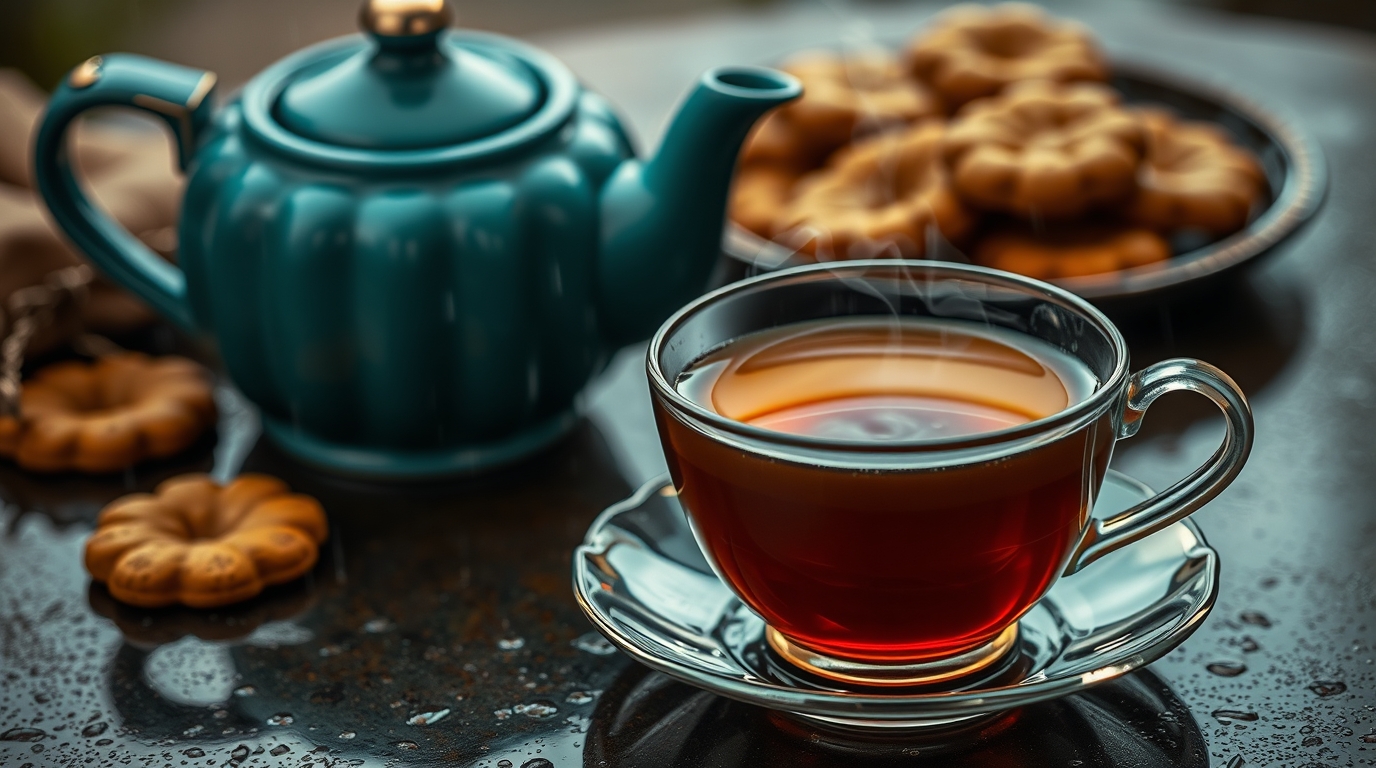
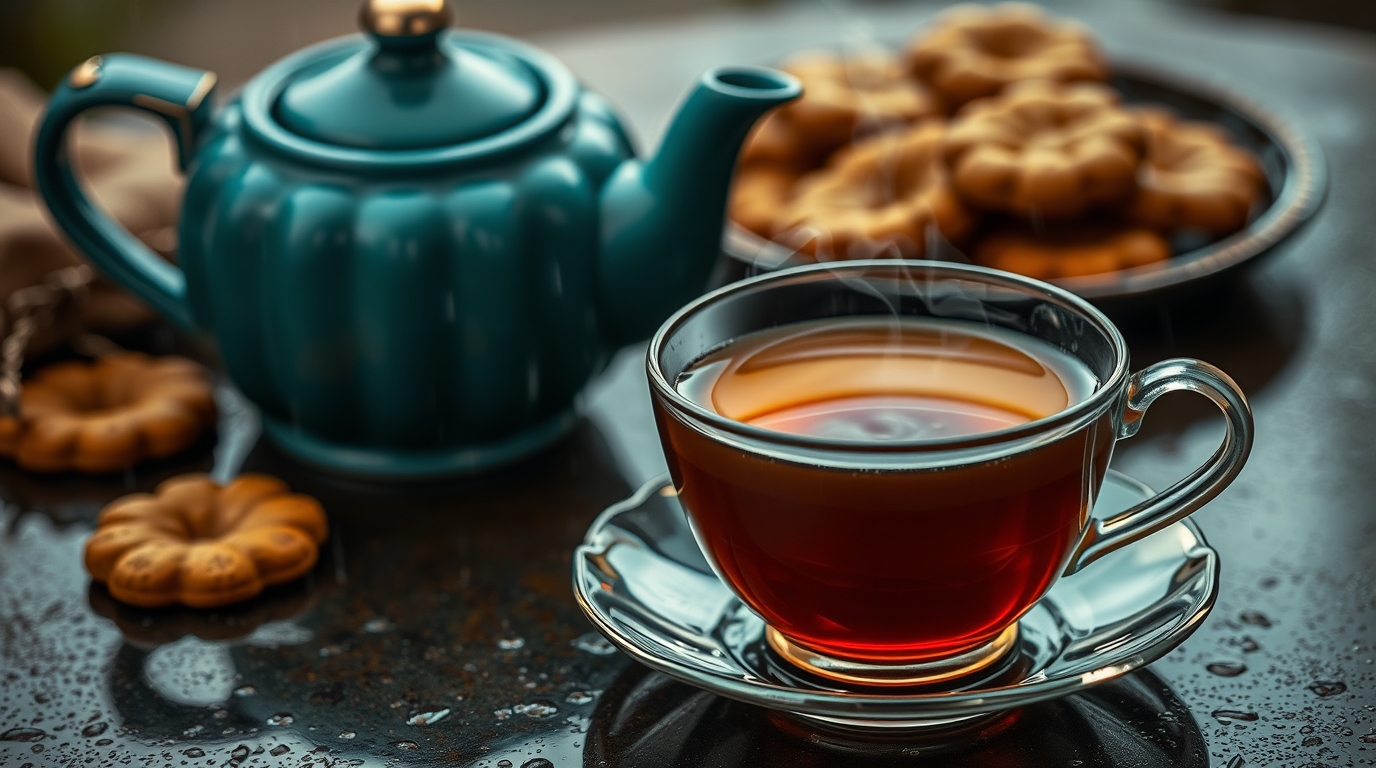
Tea is more than just a drink in the UK—it’s part of everyday life. Whether you’re starting your morning with a strong English Breakfast tea or enjoying a relaxing afternoon brew, making tea properly can make all the difference to its flavour and aroma.
Although making tea seems simple, small mistakes such as using re-boiled water, brewing for too long, or adding milk too early can leave your drink tasting flat or bitter.
In this guide, you’ll learn how to make a perfect cup of tea step by step, along with expert tips, recommended brewing times, and common mistakes to avoid so you can enjoy a consistently delicious cup every time.
Quick Answer
If you want to make a perfect cup of tea, start with freshly drawn cold water and bring it to the correct temperature for your chosen tea. Warm your mug or teapot, brew the tea for the recommended time, then remove the tea bag or strain the loose leaves before serving. Add milk, sugar, lemon, or honey to taste, depending on the type of tea you’re making.
Why the Way You Make Tea Matters
A good cup of tea is about more than simply pouring hot water over a tea bag. Water quality, temperature, brewing time, and the type of tea you choose all affect the final flavour.
Brewing tea for too long can release extra tannins, making it taste bitter, while brewing it for too little time may result in a weak, flavourless drink. By following a few simple steps, you can enjoy a balanced cup with the right strength, aroma, and taste.
What You’ll Need
Before you begin, gather the following:
- Fresh cold water
- Tea bag or loose-leaf tea
- Kettle
- Mug or teapot
- Teaspoon
- Milk, sugar, honey, or lemon (optional)
Step-by-Step Guide
Step 1: Use Fresh Cold Water
Always fill your kettle with fresh cold water rather than re-boiled water. Fresh water contains more dissolved oxygen, which helps bring out the tea’s natural flavour.
Step 2: Heat the Water to the Right Temperature
Different teas require different water temperatures.
Black tea can usually be brewed with freshly boiled water, while green and white teas benefit from cooler temperatures to avoid bitterness.
Step 3: Warm the Mug or Teapot
Pour a little hot water into your mug or teapot, swirl it around, then discard it. This helps maintain the brewing temperature and improves extraction.
Step 4: Add the Tea
Place one tea bag or approximately one teaspoon of loose-leaf tea into the mug or teapot.
If making tea for several people, add one extra teaspoon “for the pot” when using loose-leaf tea—a traditional method that helps maintain a consistent flavour.
Step 5: Pour the Water
Pour the hot water directly over the tea, ensuring the leaves or tea bag are fully submerged.
Avoid stirring immediately, as allowing the tea to infuse naturally often produces a cleaner flavour.
Step 6: Brew for the Recommended Time
Brewing time depends on the type of tea.
Leaving tea for longer does not necessarily make it better—it often makes it more bitter.
| Tea Type | Water Temperature | Brewing Time |
|---|---|---|
| English Breakfast | 100°C | 3–5 minutes |
| Earl Grey | 95–100°C | 3–4 minutes |
| Green Tea | 75–85°C | 2–3 minutes |
| White Tea | 70–80°C | 2–4 minutes |
| Herbal Tea | 100°C | 5–7 minutes |
Step 7: Remove the Tea
Remove the tea bag or strain the loose leaves once brewing is complete.
Avoid squeezing the tea bag, as this can release extra tannins and make the tea taste bitter.
Step 8: Add Milk or Other Extras
If you enjoy milk, add it after brewing for most black teas. Herbal, green, and white teas are generally served without milk.
You can also add:
- Honey
- Sugar
- Lemon
- Fresh mint
- Ginger
depending on your preference and the type of tea.
Loose-Leaf Tea vs Tea Bags
Both options can produce an enjoyable cup of tea, but they offer slightly different experiences.
| Loose-Leaf Tea | Tea Bags |
|---|---|
| Often provides a fuller flavour | Quick and convenient |
| Wide variety of blends | Easy to prepare |
| Produces less dust | Consistent results |
| Ideal for tea enthusiasts | Perfect for everyday use |
Expert Tips for Better Tea
- Use freshly drawn water every time.
- Store tea in an airtight container away from light and moisture.
- Avoid over-brewing, especially with black tea.
- Warm your mug or teapot before brewing.
- Use filtered water if your tap water has a strong taste.
- Experiment with brewing times to suit your personal preference.
Common Mistakes to Avoid
Many disappointing cups of tea come down to a few simple mistakes:
- Re-boiling water several times.
- Leaving the tea bag in for too long.
- Squeezing the tea bag before removing it.
- Using water that’s too hot for green or white tea.
- Storing tea in direct sunlight or near strong-smelling foods.
- Adding too much milk, which can overpower the tea’s natural flavour.
Frequently Asked Questions
Should you use boiling water for every type of tea?
No. Black and herbal teas usually require boiling water, while green and white teas should be brewed with cooler water to preserve their delicate flavours.
Why does my tea taste bitter?
Tea often becomes bitter when it is brewed for too long, made with water that’s too hot for the type of tea, or when the tea bag is squeezed before removal.
Is loose-leaf tea better than tea bags?
Loose-leaf tea often offers a richer flavour because the leaves have more room to expand during brewing. However, quality tea bags can still make an excellent cup of tea.
Should milk go in first?
Most modern tea experts recommend adding milk after brewing so you can better control the strength and colour of your tea.
How many cups can one tea bag make?
Most tea bags are designed for one standard mug. Reusing a tea bag usually results in a weaker second cup.
Key Takeaways
✔ Use freshly drawn cold water.
✔ Match the water temperature to the type of tea.
✔ Brew for the recommended time.
✔ Remove the tea bag without squeezing it.
✔ Store tea properly to maintain freshness.
✔ Experiment to find the flavour that suits your taste.
Conclusion
Making a perfect cup of tea doesn’t require expensive equipment or specialist knowledge. By paying attention to water quality, brewing time, and temperature, you can enjoy a better-tasting cup every day. Whether you prefer a strong English Breakfast, a fragrant Earl Grey, or a calming herbal infusion, these simple techniques will help you get the most from every brew.