Want to refresh your home exterior on a budget? Learn how to paint uPVC windows with our simple UK step-by-step guide, top preparation tips, and expert advice.
How to Paint uPVC Windows
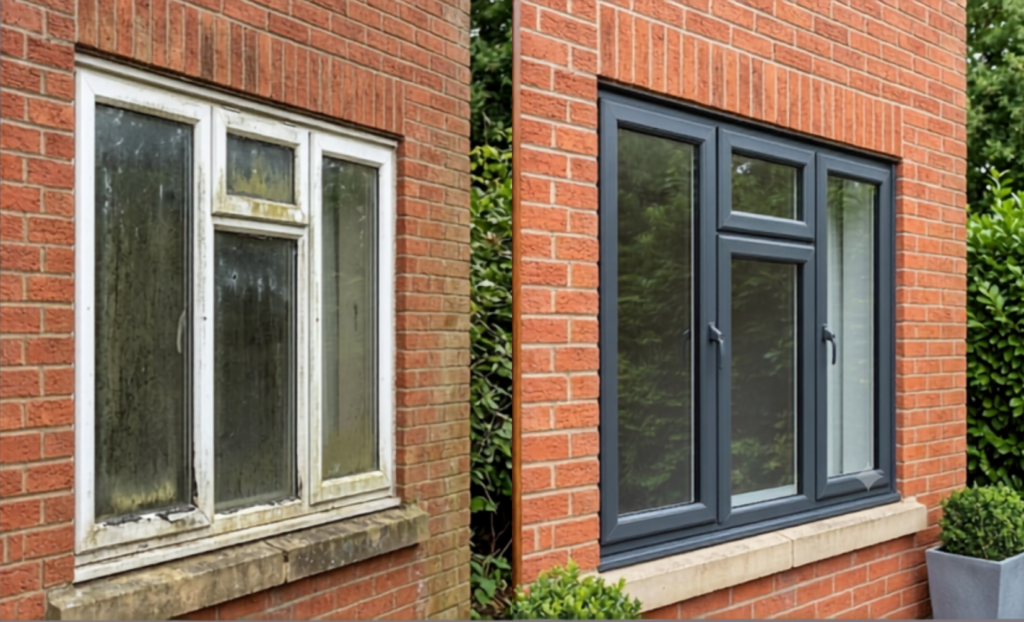
If your home exterior looks a little tired or dated, you might be considering an upgrade. Replacing double-glazing can cost thousands of pounds, but learning how to paint uPVC windows offers a brilliant, budget-friendly alternative that can completely overhaul your property’s curb appeal.
While uPVC was originally designed to be maintenance-free, white frames often yellow, fade, or show grime over time. In this straightforward guide, we will show you how to paint uPVC windows step by step, ensuring a smooth, durable, and professional finish that lasts for years.
Key Tools and Equipment You Will Need
Before opening a single paint tin, gathering the right materials is essential. Knowing how to paint uPVC windows successfully relies on using specialist paints and proper surface preparation tools.
- Specialist uPVC primer and paint: Choose an exterior acrylic or polyurethane paint formulated specifically for plastic surfaces.
- Fine-grit sandpaper (220-grit): Essential for keying the surface so the paint can adhere properly.
- uPVC cleaning spray or sugar soap: Removes grease, grime, and atmospheric pollution.
- High-quality painter’s masking tape: Protects glass panes, rubber seals, and surrounding brickwork.
- Synthetic paintbrushes or a mini foam roller: Ensures a smooth finish without brush marks.
- Dust sheets: Keep your window sills and flower beds clean while working.
5 Steps to Achieve a Professional Finish
Follow this clear sequence to ensure your new paintwork adheres strongly and resists peeling, chipping, or fading in variable British weather.
1. Clean the frames thoroughly
Wash down the entire frame using sugar soap or a dedicated uPVC cleaner. Scrub away all dirt, grease, and mould, then rinse with clean water and dry completely with a microfibre cloth.
2. Lightly sand the plastic surface
Gently rub down all visible plastic using 220-grit sandpaper. As you master how to paint uPVC windows, remember this crucial step creates a textured key that allows the primer to grip firmly.
3. Mask off glass, seals, and brickwork
Apply high-quality painter’s masking tape carefully along the glass edges, black rubber seals, and exterior brickwork. Covering these areas prevents messy overspill and saves cleanup time.
4. Apply a dedicated uPVC primer
Apply one thin, even coat of specialised plastic primer. This prevents peeling and ensures the topcoat binds seamlessly to the smooth plastic surface beneath.
5. Apply two thin topcoats of exterior paint
Once the primer has dried, apply your chosen topcoat using smooth, long brush strokes or a mini foam roller. Allow the first coat to dry fully before adding a second thin coat for complete coverage.
Pro Tips for Painting uPVC Successfully
Once you understand the basic process of how to paint uPVC windows, keeping these practical tips in mind will guarantee a flawless result every time.
- Pick the right weather conditions: Paint on a warm, dry day between 10°C and 20°C. Avoid direct sunlight, strong winds, or wet conditions, as moisture can prevent the paint from adhering properly.
- Remove hardware where possible: Take off handles, vents, and stays before painting. This makes brushing easier and ensures clean lines around small fixtures.
- Opt for thin, light coats: Applying thick layers leads to drips, runs, and longer drying times. Two or three thin coats always yield a smoother finish.
Common Pitfalls to Avoid
When discovering how to paint uPVC windows at home, steer clear of these frequent DIY mistakes:
- Skipping the sanding process: Paint will not bond directly to shiny, unsanded plastic. Failing to sand leads to peeling paint within months.
- Using standard gloss or wall paint: Always buy paint designed for exterior plastics. Regular paints crack and peel when the uPVC expands in heat.
- Painting over rubber seals: Painting over flexible rubber seals causes the paint to crack as the window opens, leading to unsightly flakes.
Now that you know how to paint uPVC windows, you can refresh your home exterior confidently without spending a fortune on full replacements.
Frequently Asked Questions
How long does painted uPVC last?
When properly cleaned, sanded, and primed, a quality painted uPVC finish can easily last up to 10 years before needing a touch-up.
Can I paint the inside of uPVC windows too?
Yes! The same preparation and painting process applies to interior frames, though you should ensure the room is well-ventilated while painting.
Is it better to spray or brush uPVC frames?
Spraying provides the smoothest factory-like finish, but using a high-quality synthetic brush or mini foam roller works brilliantly for standard DIY projects.