Discover how to stop drinking alcohol with this supportive UK guide. Follow practical steps to manage cravings, build a recovery plan, and protect your health.
How to Stop Drinking Alcohol & Improve Health
Deciding to change your relationship with booze is one of the most powerful steps you can take for your physical and mental health. Learning how to stop drinking alcohol requires more than just willpower; it involves understanding your personal triggers, restructuring your daily routines, and building a reliable support network.
Whether you are looking to cut out alcohol completely or take an extended break, removing alcohol lowers blood pressure, improves sleep quality, boosts energy levels, and reduces long-term risks of liver disease and cancer. Here is a compassionate, step-by-step UK guide to helping you quit safely and successfully.
⚠️ Important Health & Safety Notice: If you drink heavily or daily, stopping suddenly (“cold turkey”) can cause severe and potentially life-threatening alcohol withdrawal symptoms (such as seizures, tremors, or confusion). Always consult your GP or a healthcare professional to plan a safe, medically supervised detox before making sudden changes.
1. Identify Your Triggers and Habits
Understanding why and when you reach for a drink is a crucial first step when discovering how to stop drinking alcohol.
Pinpoint your drinking patterns with these steps:
- Recognise emotional triggers: Notice if you drink to cope with stress, anxiety, boredom, or loneliness.
- Identify social pressure: Take note of specific environments, social groups, or times of day (like after work) strongly associated with drinking.
- Keep a habit journal: Track your urges for a week to spot recurring patterns before you stop.
2. Clear Your Home Environment
Keeping alcohol within easy reach makes overcoming sudden cravings significantly harder during your first few weeks.
Streamline your living space with these simple actions:
- Remove all alcohol: Throw away or give away any beer, wine, or spirits sitting in your fridge or cupboards.
- Stock up on alcohol-free alternatives: Keep cold sparkling water, kombucha, herbal teas, or non-alcoholic beers on hand to satisfy the physical habit of holding a glass.
- Change your evening routine: Replace your usual drinking hour with a new activity, such as taking a walk, reading, or preparing a fresh meal.
3. Plan Ahead for Social Situations
Navigating social events without drinking can feel daunting at first, but having a clear plan builds confidence and helps you stick to your goals.
Prepare for social outings using these strategies when learning how to stop drinking alcohol:
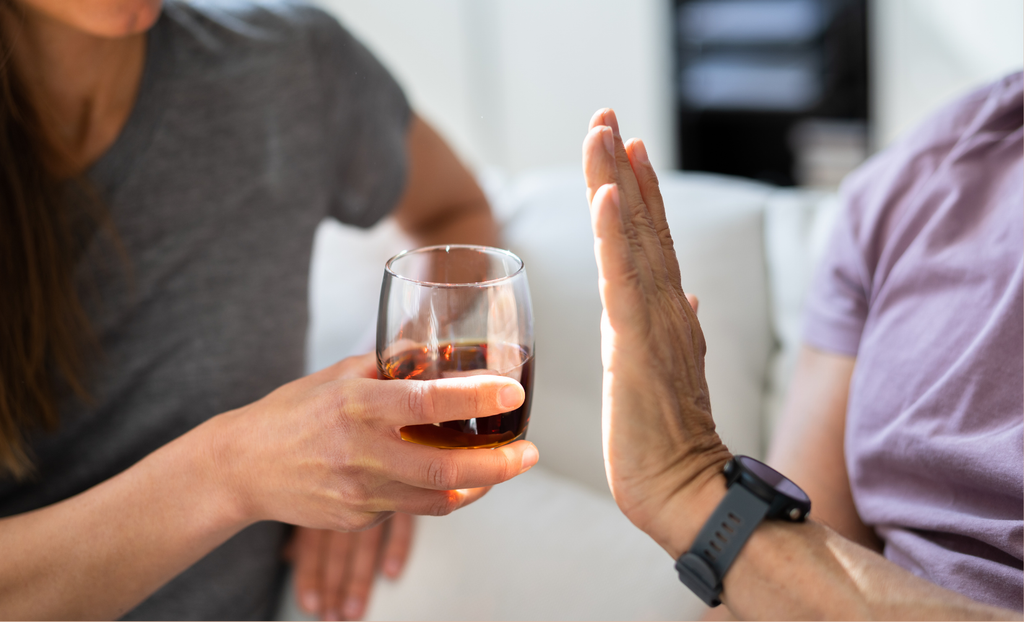
- Prepare a simple refusal phrase: Practice a polite, direct response like, “No thanks, I’m not drinking tonight” or “I’m taking a break for my health.”
- Choose your drink early: Order a soft drink or mocktail immediately upon arrival so you always have a glass in hand.
- Have an exit strategy: Permit yourself to leave an event early if you feel overwhelmed or tempted.
4. Seek Free Support Services in the UK
You do not have to navigate this process alone. The UK offers numerous free, confidential resources designed to guide you through quitting.
Utilise these trusted support systems:
- NHS Alcohol Services: Speak to your local GP for referrals to community alcohol support services, counselling, or medical assistance.
- Support Groups: Attend free peer-led recovery meetings such as Alcoholics Anonymous (AA) or SMART Recovery.
- Helplines: Contact Drinkline (the free national alcohol helpline in the UK) on
0300 123 1110for confidential advice.
5. Focus on the Benefits and Celebrate Milestones
Focusing on what you gain rather than what you give up provides positive motivation as you master how to stop drinking alcohol.
Track your positive health changes:
- Better sleep and energy: Expect deeper REM sleep and higher daytime energy levels within the first fortnight.
- Improved mental clarity: Anxiety levels often decrease significantly as your brain chemistry stabilises without alcohol.
- Track your savings: Calculate the money you save each week and treat yourself to something meaningful.
Frequently Asked Questions
Here are everyday questions people ask about stopping drinking.
1. What are the symptoms of mild alcohol withdrawal?
Mild withdrawal symptoms can include insomnia, mild anxiety, sweating, headaches, and nausea, usually peaking within 24 to 72 hours after your last drink. If you experience severe symptoms like shakes or hallucinations, seek immediate emergency medical care.
2. Can non-alcoholic beers help when quitting?
For many people, non-alcoholic drinks (0.0% ABV) serve as a helpful placebo in social settings. However, if the taste or smell triggers strong cravings for real alcohol, it may be better to stick to soft drinks, tea, or water initially.
3. What should I do if I have a slip-up?
Do not view a slip-up as a total failure. A lapse is simply a learning moment. Identify what triggered the craving, reset your commitment, and restart your recovery plan immediately without guilt.
Final Thoughts
Learning how to stop drinking alcohol is a personal journey that takes time, patience, and self-compassion. By removing temptations, establishing healthy new routines, relying on support networks, and prioritising your health, you can build a fulfilling, alcohol-free life.