Learn how to unblock a shower drain with our practical, step-by-step guide. Discover quick ways to clear hair, soap scum, and stubborn blockages safely.
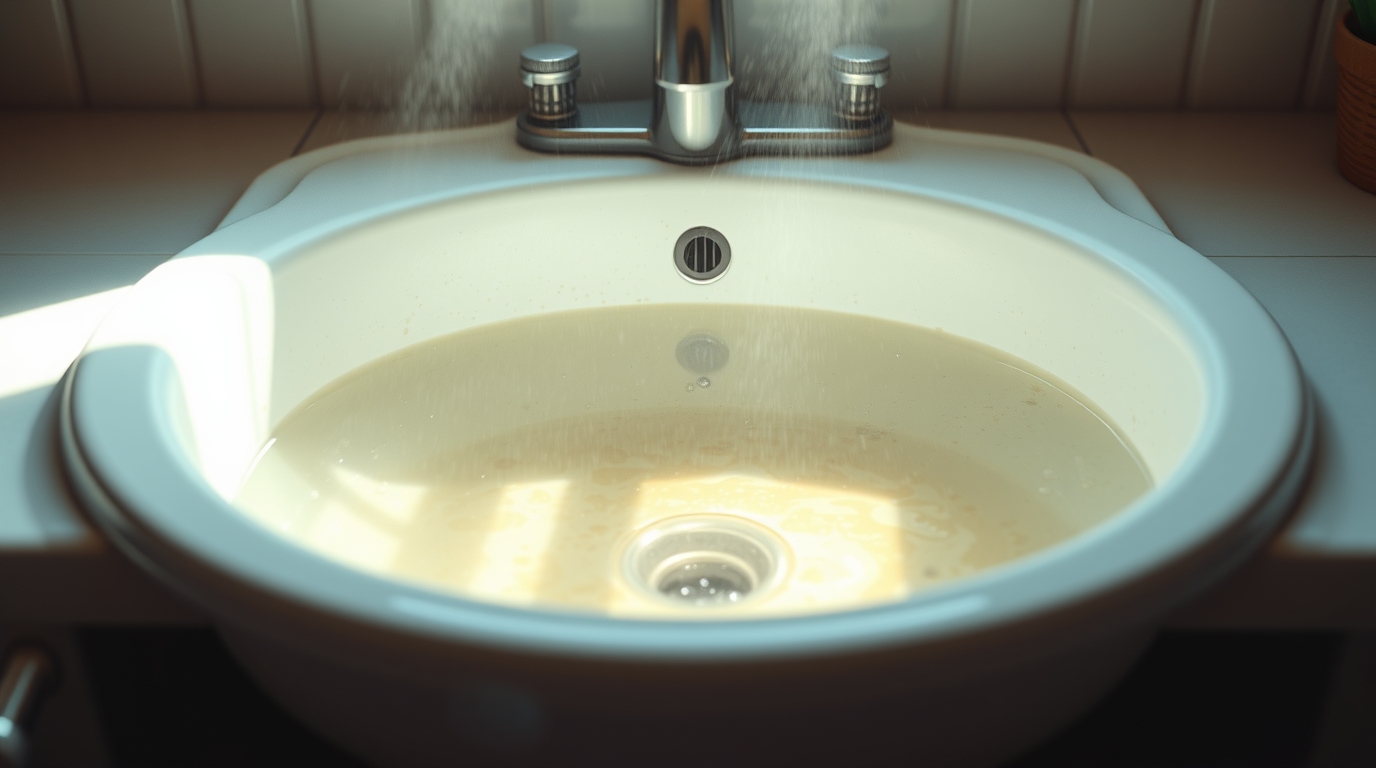
There are few things as annoying during a morning routine as standing in ankle-deep, stagnant water while taking a shower. A slow-draining or completely blocked shower drain is a common household headache, usually caused by a dense combination of fallen hair, soap residue, body oils, and limescale.
Fortunately, knowing how to unblock a shower drain does not require an expensive emergency callout from a plumber. In most cases, you can clear the obstruction yourself in less than twenty minutes using basic tools and household items.
This practical guide will walk you through the most effective methods to clear your shower waste safely and restore full water flow.
Why Do Shower Drains Get Blocked?
Unlike kitchen sinks that deal with food scraps, shower drains face a specific combination of materials that form tough obstructions over time:
- Hair build-up: Loose strands catch on the inside of the drain cover or trap, forming a net that traps other debris.
- Soap scum: Traditional bar soaps leave behind a fatty film that cools, hardens, and clings to pipe walls.
- Conditioners and body oils: Rich shower gels and thick hair products add a sticky coating that binds loose hair together.
- Limescale: In hard water regions, mineral scale builds up inside plastic or metal waste pipes, narrowing the passage.
Equipment You May Need
Before starting, gather a few basic items depending on the method you choose:
- Rubber gloves and a small bin bag
- Flathead screwdriver (if your drain cover is screwed down)
- Wire coat hanger or a barbed plastic drain snake
- Bicarbonate of soda and white vinegar
- Cup plunger
- Kettle with hot water
How to Unblock a Shower Drain: A Step-by-Step Guide
Follow these sequential methods, starting with the simplest physical removal before moving on to natural solutions.
1.Remove the Cover and Clear Hair Manually
Physical extraction
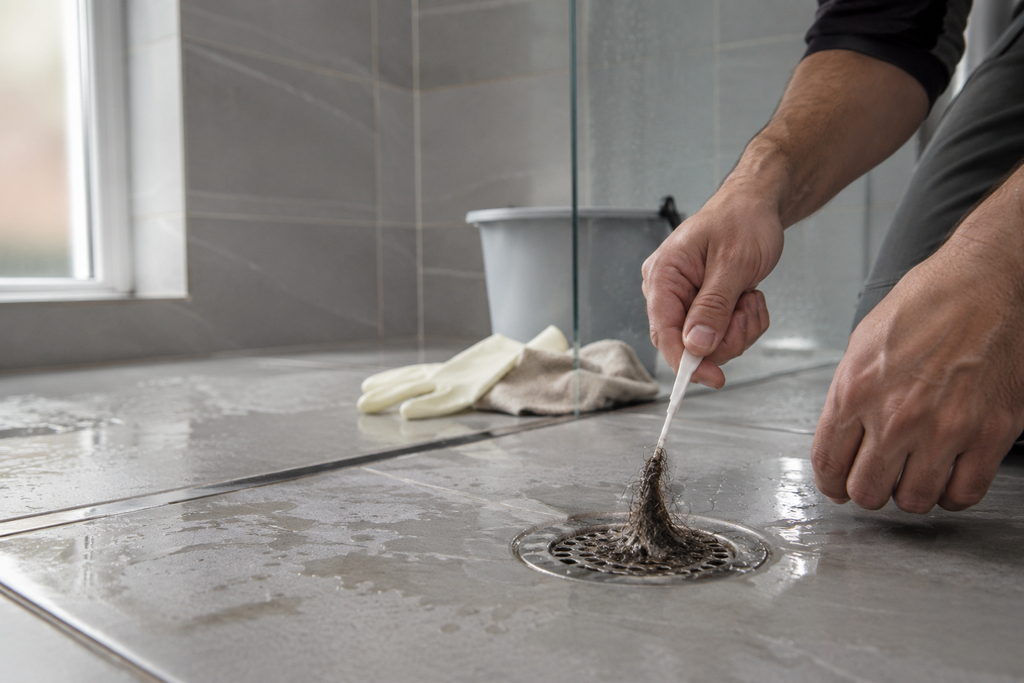
Put on rubber gloves and remove the drain cover or chrome stopper. Lift out any removable trap cup or filter insert. Shine a torch down the opening; most hair blockages sit right in the shallow trap. Use your fingers or a pair of needle-nose pliers to pull out the clump.
2.Fish Out Deeper Clogs with a Wire Hook
Deep hook technique
If the clog sits further down the waste pipe, straighten a wire coat hanger, leaving a small 1cm hook at the tip. Alternatively, use a barbed plastic drain tool. Carefully lower the tool into the pipe, twist it around to catch hair tangles, and pull the mass straight back up.
3.Use a Plunger for Stubborn Blockages
Pressure method
If physical reaching fails, place a cup plunger over the plughole. Ensure there is enough standing water in the tray to cover the rubber cup lip. Push down gently to expel trapped air, then pump vigorously up and down 10 to 15 times to dislodge the material via suction.
4.Apply Bicarbonate of Soda and Vinegar
Natural chemical fizz
Pour half a cup of bicarbonate of soda directly down the dry plughole, followed immediately by one cup of white household vinegar. Cover the drain with a damp cloth or plug to force the fizzing chemical reaction down into the pipe. Allow the mixture to break down residual soap scum for 20 to 30 minutes.
5.Flush Thoroughly with Very Hot Water
Final clear
Boil a full kettle and let it cool slightly for two minutes. Slowly pour the hot water down the drain in two or three batches to flush away loosened grease, bicarbonate residue, and remaining debris. Turn on the shower tap to test for a clear, rapid flow.
Common Mistakes to Avoid
Avoiding these simple mistakes prevents permanent damage to your bathroom plumbing.
Pouring Boiling Water Directly on PVC or Acrylic
Never pour scalding water straight off the boil directly onto delicate plastic shower trays or thin PVC waste pipes, as the extreme heat can warp plastic or crack sealant joints. Let boiled water sit in the kettle for two minutes first.
Overusing Harsh Chemical Drain Cleaners
Thick commercial chemical cleaners contain caustic substances that generate high heat inside the pipe. Overusing them can melt soft rubber seals, corrode older metal pipework, and damage decorative chrome finishes.
Pushing the Blockage Deeper
When using a wire hook or auger tool, pull the material upward rather than shoving it forward. Pushing a tight hair clump past the primary P-trap forces it deeper into main stack pipes where it becomes much harder to reach.
Top Tips to Prevent Future Clogs
- Fit a silicone hair catcher: Place a cheap mesh drain cover or silicone hair catcher over your plughole to trap loose strands before they enter the pipework.
- Switch to liquid shower gels: Bar soaps contain tallow and fats that solidify inside cold pipes. Liquid gels rinse away much cleaner without leaving heavy film.
- Do a weekly hot flush: Run hot water down the drain for 60 seconds at the end of every week to melt away minor soap deposits before they build up.
Conclusion
Learning how to unblock a shower drain is an easy DIY task that saves money and keeps your bathroom functioning smoothly. By physically removing hair from the trap, using natural fizzing cleaners, and installing a simple hair catcher, you can maintain clear, free-flowing pipes permanently.
Frequently Asked Questions
Will bleach dissolve hair in a shower drain?
No. Bleach is an effective disinfectant that kills bacteria and eliminates odors, but it cannot dissolve dense hair clumps or heavy soap scum.
How often should I clean out my shower trap?
It is good practice to remove visible hair from the surface cover weekly and perform a full deep clean or flush of the internal trap once every month.
When should I call a professional plumber?
If water backs up continuously after you have cleared the main trap, or if water bubbles up in your toilet or bathroom sink when the shower runs, the blockage is likely deep in your main drainage line and requires professional equipment.